

These spicy potato noodles are the bowl I make when I want something chewy, glossy, and fiery without a lot of fuss. Starch potatoes are steamed and riced into a warm dough, rolled into fat little noodles by hand, then bathed in a chili oil sauce that sizzles the second it hits the garlic.
Advertisements1
The magic is the potato-to-starch ratio: enough potato for a tender, springy bite, enough tapioca starch to hold the noodles together when they boil. The chili oil is built in a heatproof bowl with gochugaru, toasted sesame, and a splash of black vinegar so the heat stays bright instead of flat.
Everything comes together in under an hour, and the noodles can be rolled a few hours ahead. Serve them warm with cucumber ribbons and crushed peanuts for crunch, or pile them into a bowl with a jammy egg on top for a full meal.
Why You'll Love This Recipe
About the Ingredients
2 lb (900g) russet or Yukon Gold potatoes, peeled and cut into 1-inch chunks
Starchy potatoes give the chewiest dough; if you only have waxy red potatoes, add 2 extra tablespoons tapioca starch. Look for potatoes that feel heavy for their size with no green spots.
1 3/4 cups (210g) tapioca starch, plus more for dusting
Tapioca starch is what makes the noodles springy; cornstarch works in a pinch but yields a softer, less chewy noodle. Buy it in the Asian aisle rather than using tapioca pearls.
1/2 cup (120ml) neutral oil, such as canola or grapeseed
A high-smoke-point oil is essential for pouring over the chili flakes; olive oil will taste bitter. Avocado oil is a fine substitute.
3 tbsp (18g) gochugaru Korean chili flakes
Gochugaru brings fruity heat; Aleppo pepper or mild paprika plus a pinch of cayenne is a good substitute if you want less burn. Check the date, since old flakes taste dusty.
4 garlic cloves, finely minced
Fresh garlic is non-negotiable here; jarred garlic tastes flat. If you are out, use 1 teaspoon garlic powder stirred into the chili flakes before the oil goes on.
2 tbsp soy sauce
Use regular soy sauce, not dark, so the sauce stays balanced; tamari makes it gluten-free. Low-sodium soy sauce lets you adjust salt at the end.
1 tbsp black vinegar (Chinkiang)
Black vinegar adds malty tang; balsamic is a decent swap but sweeter, so use 2 teaspoons. Rice vinegar works if you add a pinch of sugar.
1 tbsp toasted sesame oil
Toasted, not untoasted, sesame oil carries the nutty aroma; a little goes a long way. Store it in the fridge to keep it from going rancid.
1 tsp granulated sugar
Sugar rounds out the chili and vinegar; honey works but darkens the sauce. Skip it only if your vinegar is already sweet.
1/2 cup (60g) roasted peanuts, crushed, plus cucumber ribbons and sliced scallions to serve
Roasted unsalted peanuts give crunch; cashews or toasted sesame seeds are good substitutes. Buy plain roasted peanuts and crush them yourself for the freshest flavor.
Tips & Tricks
Weigh the potato
Too much moisture makes gummy noodles, so steam the potatoes instead of boiling them and let them drain dry for 5 minutes before ricing.
Knead while hot
The dough must be worked while the potato is still warm, or the starch will not hydrate and the noodles will crack when rolled.
Test one noodle first
Drop a single noodle into the boiling water; if it falls apart, knead in 1 tablespoon more tapioca starch before rolling the rest.
Pour oil at the right heat
Heat the oil to 350F (175C) before pouring over the chili flakes so they bloom without burning.
Pro Tips
Step-by-Step Instructions
1. Steam the potatoes
Set a steamer basket over simmering water, add the potato chunks, cover, and steam at a steady simmer (about 200F/93C inside the pot) for 18 to 20 minutes, until a knife slides in with no resistance. Steaming keeps the potatoes dry so the dough stays firm.
2. Rice and cool slightly
Press the hot potatoes through a ricer into a large bowl and let them cool for 5 minutes, until warm but not steaming. You should have about 3 cups (600g) of fluffy potato.
3. Work in the starch
Sprinkle the tapioca starch and 1/2 teaspoon salt over the warm potato and mix with a wooden spoon, then knead by hand for 3 to 4 minutes until a smooth, slightly tacky dough forms. If it sticks badly, add tapioca starch 1 tablespoon at a time.
4. Roll the noodles
Dust the counter with tapioca starch, pinch off golf-ball-sized pieces, and roll each into a 1/2-inch rope, then cut into 3-inch lengths. Keep the finished noodles under a clean towel so they do not dry out.
5. Boil the noodles
Bring a large pot of water to a rolling boil (212F/100C) and drop in the noodles in batches. Cook for 2 to 3 minutes, until they float and turn translucent at the edges, then transfer with a slotted spoon to a colander and toss with a teaspoon of neutral oil.
6. Bloom the chili oil
Put the gochugaru, minced garlic, and sesame seeds in a heatproof bowl. Heat the neutral oil in a small saucepan to 350F (175C), then pour it over the chili mixture in a steady stream; it should sizzle and smell toasty, not acrid. Stir in the soy sauce, black vinegar, sesame oil, and sugar.
7. Toss and serve
Add the warm noodles to the chili oil sauce and toss until every strand is glossy. Top with crushed peanuts, cucumber ribbons, and scallions and serve immediately while the noodles are still warm and chewy.
Delicious Variations
Sesame Peanut Version
Stir 2 tablespoons of tahini into the chili oil sauce for a creamier, nuttier bowl.
Beef and Bok Choy
Sear 8 ounces of thinly sliced beef at 400F (205C) in a hot skillet for 2 minutes per side and fold it in with blanched bok choy.
Cold Noodle Salad
Rinse the cooked noodles in ice water, drain well, and toss with extra vinegar and shredded carrot for a refreshing summer dish.
How to Store Spicy Potato Noodles in Chili Oil Sauce
Refrigerator
Store cooked noodles and sauce separately in airtight containers for up to 3 days; keep the sauce at room temperature for 1 hour before using.
Freezer
Freeze the unboiled rolled noodles on a parchment-lined sheet for 1 hour, then bag them for up to 2 months; boil from frozen, adding 1 minute.
Reheating
Reheat noodles in boiling water for 60 seconds, then toss with the reserved sauce; microwaving makes them gummy.
Frequently Asked Questions
Q: Can I make potato noodles without tapioca starch?
Yes, but the texture changes: cornstarch or potato starch will work in the same amount, though the noodles will be softer and less chewy. Tapioca starch is what gives the signature bouncy bite, so use it if you can find it.
Q: Why did my potato noodles fall apart in the water?
The dough was too wet, usually because the potatoes were boiled instead of steamed or were not drained well. Steam the potatoes, let them dry for 5 minutes, and knead in extra tapioca starch 1 tablespoon at a time until the dough holds together.
Q: How spicy are these chili oil potato noodles?
They are moderately spicy, roughly a medium-hot level, depending on your gochugaru. Use half the chili flakes for a milder bowl or add a teaspoon of cayenne for more heat.
Q: Can I make the dough ahead of time?
Yes, the dough can be made up to 1 day ahead and stored wrapped in the refrigerator. Let it sit at room temperature for 20 minutes before rolling, since cold dough cracks.
Q: What do I serve with spicy potato noodles?
Serve them with cucumber ribbons, crushed peanuts, and a jammy egg for a complete meal. A simple side of steamed greens or sliced tomatoes balances the heat nicely.
Give these spicy potato noodles a try this week and tag me in your photos, because that glossy chili oil deserves to be seen. Once you nail the dough, the bowl is yours to customize.
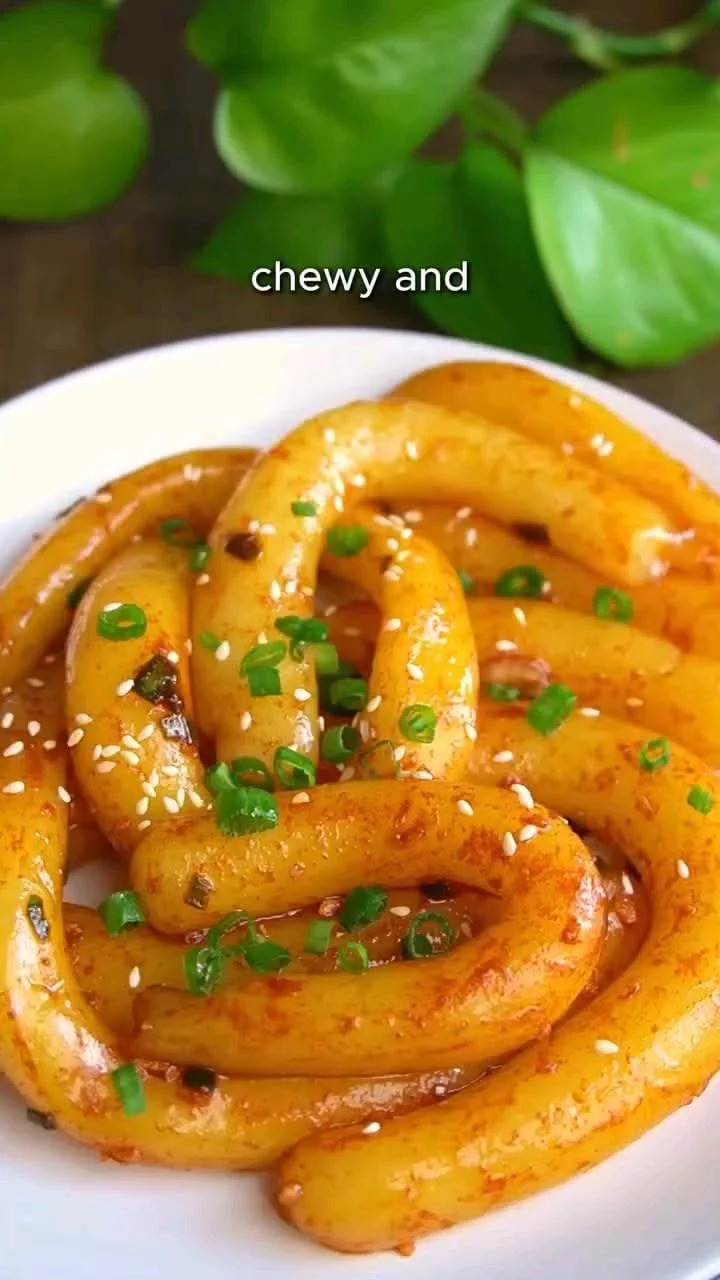
Spicy Potato Noodles in Chili Oil Sauce
Spicy Potato Noodles in Chili Oil Sauce are chewy hand-rolled potato noodles tossed in a garlicky chili oil that beats takeout in one satisfying bowl.
🧂 Ingredients
- 2 lb (900g) russet or Yukon Gold potatoes, peeled and cut into 1-inch chunks
- 1 3/4 cups (210g) tapioca starch, plus more for dusting
- 1/2 cup (120ml) neutral oil, such as canola or grapeseed
- 3 tbsp (18g) gochugaru Korean chili flakes
- 4 garlic cloves, finely minced
- 2 tbsp soy sauce
- 1 tbsp black vinegar (Chinkiang)
- 1 tbsp toasted sesame oil
- 1 tsp granulated sugar
- 1/2 cup (60g) roasted peanuts, crushed, plus cucumber ribbons and sliced scallions to serve
📋 Instructions
- 1Steam the potatoes — Set a steamer basket over simmering water, add the potato chunks, cover, and steam at a steady simmer (about 200F/93C inside the pot) for 18 to 20 minutes, until a knife slides in with no resistance. Steaming keeps the potatoes dry so the dough stays firm.
- 2Rice and cool slightly — Press the hot potatoes through a ricer into a large bowl and let them cool for 5 minutes, until warm but not steaming. You should have about 3 cups (600g) of fluffy potato.
- 3Work in the starch — Sprinkle the tapioca starch and 1/2 teaspoon salt over the warm potato and mix with a wooden spoon, then knead by hand for 3 to 4 minutes until a smooth, slightly tacky dough forms. If it sticks badly, add tapioca starch 1 tablespoon at a time.
- 4Roll the noodles — Dust the counter with tapioca starch, pinch off golf-ball-sized pieces, and roll each into a 1/2-inch rope, then cut into 3-inch lengths. Keep the finished noodles under a clean towel so they do not dry out.
- 5Boil the noodles — Bring a large pot of water to a rolling boil (212F/100C) and drop in the noodles in batches. Cook for 2 to 3 minutes, until they float and turn translucent at the edges, then transfer with a slotted spoon to a colander and toss with a teaspoon of neutral oil.
- 6Bloom the chili oil — Put the gochugaru, minced garlic, and sesame seeds in a heatproof bowl. Heat the neutral oil in a small saucepan to 350F (175C), then pour it over the chili mixture in a steady stream; it should sizzle and smell toasty, not acrid. Stir in the soy sauce, black vinegar, sesame oil, and sugar.
- 7Toss and serve — Add the warm noodles to the chili oil sauce and toss until every strand is glossy. Top with crushed peanuts, cucumber ribbons, and scallions and serve immediately while the noodles are still warm and chewy.