Cozy Cravings Recipes
Spicy Korean Fried Chicken Air Fryer Recipe – Crispy & Easy
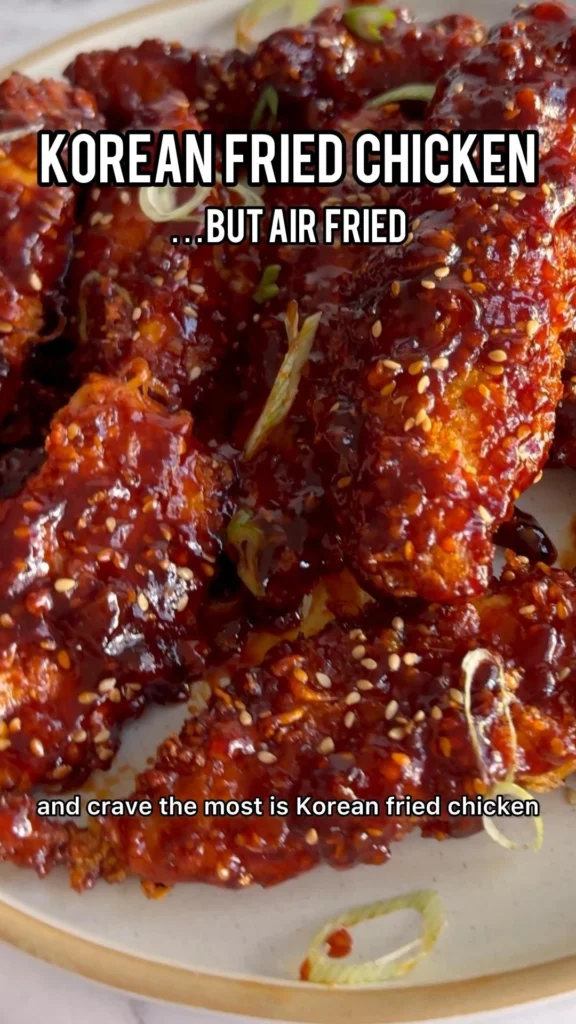
Korean fried chicken is famous for its double-fried, glass-like crust, but standing over a vat of bubbling oil at home is a commitment. This air fryer version gets you the same crackly shell and sticky-sweet gochujang glaze using a fraction of the oil, and it comes together in under an hour on a weeknight.
The secret is a two-stage cook: a low-temperature air fry to render the fat and cook the chicken through, then a blast of high heat to crisp the coating and set the glaze. A quick toss in a garlicky gochujang-honey sauce while the pieces are still hot means every bite is glossy, spicy, and a little sweet.
Serve it over steamed rice with quick-pickled radish and cold beer, or pile it on a platter for game day. Either way, expect it to disappear fast.
Why You'll Love This Recipe
About the Ingredients
2 pounds (900g) chicken wings, split into drumettes and flats
Pat them very dry with paper towels before coating, since moisture is the enemy of crispiness. Bone-in skin-on chicken thighs cut into 2-inch pieces work as a juicy substitute if wings are unavailable.
1/2 cup (65g) cornstarch
Cornstarch creates a lighter, crunchier shell than flour. Potato starch is the traditional Korean choice and swaps in 1:1 for an even glassier crust.
1/4 cup (30g) all-purpose flour
Flour adds structure so the coating does not slide off. For a gluten-free version, use an equal amount of rice flour.
1 teaspoon kosher salt
Use fine kosher salt so it dissolves evenly into the coating. If using table salt, cut the amount to 3/4 teaspoon.
1/2 teaspoon freshly ground black pepper
Freshly ground makes a noticeable difference here. White pepper is a fine substitute for a more subtle, earthy bite.
3 tablespoons gochujang (Korean chili paste)
Look for a tub labeled gochujang in the international aisle or online; it keeps for months in the fridge. If you can only find gochugaru flakes, mix 1 tablespoon with 1 tablespoon miso and 1 teaspoon honey as a stand-in.
3 tablespoons honey
Honey gives the glaze its sticky sheen. Maple syrup or brown sugar dissolved in a splash of water works if you are out.
2 tablespoons soy sauce
Use regular soy sauce, not dark, to keep the glaze from turning muddy. Tamari is a seamless gluten-free swap.
3 cloves garlic, finely grated
Fresh garlic is essential for that punchy Korean flavor. Jarred minced garlic works in a pinch but use 1 teaspoon and add it off the heat.
1 tablespoon toasted sesame oil
Toasted, not plain, sesame oil carries the nutty aroma. A drizzle of chili oil can replace half of it if you want extra heat.
1 tablespoon rice vinegar
The acid balances the sweetness and thins the glaze slightly. Apple cider vinegar is the closest substitute.
1 teaspoon toasted sesame seeds, plus sliced scallions, for garnish
Toast seeds in a dry pan for 30 seconds to wake up their flavor. Skip the scallions if you do not have them; the dish is still great without.
Tips & Tricks
Dry Chicken Is Crispy Chicken
Pat the wings bone-dry and let them sit uncovered in the fridge for 15 minutes before coating, or the starch will steam instead of crisp.
Do Not Crowd the Basket
Arrange the wings in a single layer with a little space between each piece; cook in two batches if needed so hot air can circulate.
Glaze at the Very End
Toss the chicken in the sauce only after the second fry, otherwise the sugars burn and the crust goes soft.
Pro Tips
Step-by-Step Instructions
1. Dry and Season the Wings
Pat the wings thoroughly dry with paper towels and season with the salt and pepper. Let them sit uncovered for 10 minutes while you mix the coating.
2. Coat in Starch Mix
Whisk the cornstarch and flour in a wide bowl, then add the wings and press the coating on all sides. Shake off excess and let them rest 10 minutes so the coating sets.
3. First Air Fry at 325F
Preheat the air fryer to 325F (165C). Arrange the wings in a single layer and cook for 18 minutes, flipping once at the 9-minute mark, until pale golden and the internal temperature reads 165F (74C).
4. Whisk the Gochujang Glaze
While the chicken cooks, stir together the gochujang, honey, soy sauce, garlic, sesame oil, and rice vinegar in a small bowl until smooth.
5. Second Air Fry at 400F
Raise the air fryer to 400F (205C) and cook the wings for 8 to 10 minutes more, shaking the basket halfway, until deep golden brown with bubbling edges and an internal temperature of 175F (79C).
6. Toss in the Glaze
Transfer the hot wings to a large bowl, pour over the glaze, and toss quickly with tongs until every piece is glossy and coated.
7. Garnish and Serve
Pile onto a platter, scatter with sesame seeds and sliced scallions, and serve immediately with rice and pickled radish.
Delicious Variations
Sweet-Hot Bulgogi Style
Swap half the gochujang for bulgogi marinade and add 1 teaspoon grated pear for a fruitier, milder glaze.
Nashville-Korean Mashup
Toss the crisped wings in a cayenne-butter sauce instead of gochujang for a Southern-Korean hybrid.
Soy-Garlic (No Heat)
Replace the gochujang with 2 extra tablespoons soy sauce and 1 teaspoon sugar for a kid-friendly sticky garlic glaze.
How to Store Spicy Korean Fried Chicken Air Fryer Recipe
Refrigerator
Store cooled chicken in an airtight container for up to 3 days; keep the glaze separate if possible so the crust stays crisp.
Freezer
Freeze the cooked, unglazed wings in a single layer on a tray, then bag them for up to 2 months. Glaze after reheating.
Reheating
Reheat unglazed wings in the air fryer at 375F (190C) for 5 to 6 minutes, then toss in freshly warmed glaze.
Frequently Asked Questions
Q: Can you put raw chicken wings in an air fryer?
Yes, raw wings cook perfectly in an air fryer as long as they are arranged in a single layer and reach 165F (74C) internally. This recipe uses a two-stage method so the skin renders fully and turns crispy rather than rubbery.
Q: Why is my air fryer fried chicken not crispy?
The most common cause is excess moisture, either from wet chicken or a wet batter, which steams instead of crisping. Pat the wings bone-dry, use a dry starch coating, and never overcrowd the basket.
Q: What does Korean fried chicken sauce taste like?
It is a balance of sweet, savory, garlicky, and spicy, thanks to gochujang, honey, soy sauce, and sesame oil. The heat builds gently and is mellowed by the honey, so it is flavorful rather than punishing.
Q: How long do you cook wings in the air fryer at 400 degrees?
At 400F (205C), raw wings take about 22 to 25 minutes total, flipping halfway. In this recipe the wings get 18 minutes at 325F first, then a final 8 to 10 minutes at 400F for maximum crunch.
Q: Can I make this Korean fried chicken gluten-free?
Yes, swap the all-purpose flour for rice flour and use tamari instead of soy sauce, and check that your gochujang is gluten-free. The cornstarch coating is already naturally gluten-free.
Give this spicy Korean fried chicken air fryer recipe a try tonight and let the sticky gochujang glaze do the talking. Snap a photo, tag me, and tell me how spicy you made yours.
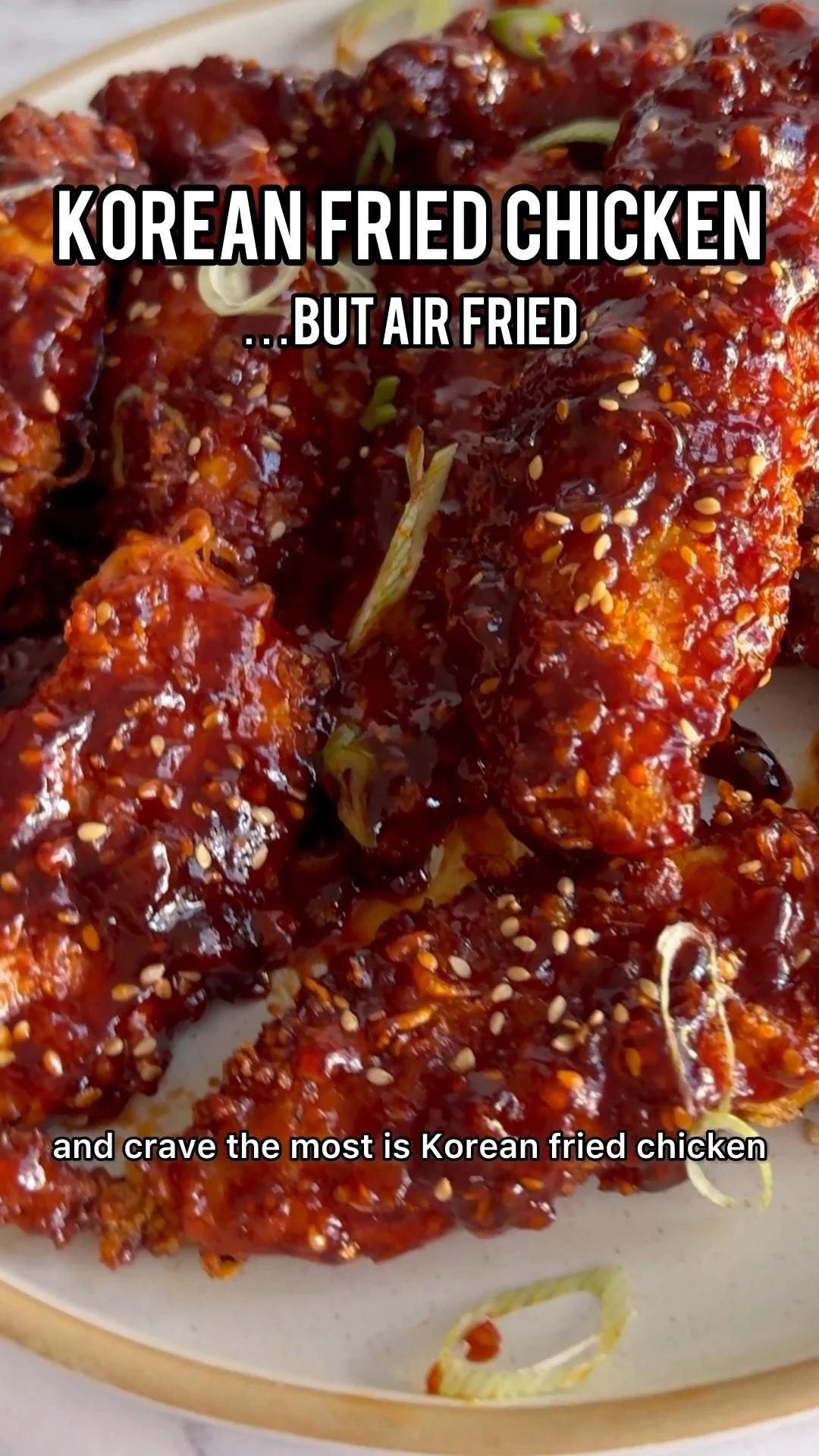
Spicy Korean Fried Chicken Air Fryer Recipe
This spicy Korean fried chicken air fryer recipe delivers shatteringly crispy gochujang-glazed wings with half the oil and all the crunch.
🧂 Ingredients
- 2 pounds (900g) chicken wings, split into drumettes and flats
- 1/2 cup (65g) cornstarch
- 1/4 cup (30g) all-purpose flour
- 1 teaspoon kosher salt
- 1/2 teaspoon freshly ground black pepper
- 3 tablespoons gochujang (Korean chili paste)
- 3 tablespoons honey
- 2 tablespoons soy sauce
- 3 cloves garlic, finely grated
- 1 tablespoon toasted sesame oil
- 1 tablespoon rice vinegar
- 1 teaspoon toasted sesame seeds, plus sliced scallions, for garnish
📋 Instructions
- 1Dry and Season the Wings — Pat the wings thoroughly dry with paper towels and season with the salt and pepper. Let them sit uncovered for 10 minutes while you mix the coating.
- 2Coat in Starch Mix — Whisk the cornstarch and flour in a wide bowl, then add the wings and press the coating on all sides. Shake off excess and let them rest 10 minutes so the coating sets.
- 3First Air Fry at 325F — Preheat the air fryer to 325F (165C). Arrange the wings in a single layer and cook for 18 minutes, flipping once at the 9-minute mark, until pale golden and the internal temperature reads 165F (74C).
- 4Whisk the Gochujang Glaze — While the chicken cooks, stir together the gochujang, honey, soy sauce, garlic, sesame oil, and rice vinegar in a small bowl until smooth.
- 5Second Air Fry at 400F — Raise the air fryer to 400F (205C) and cook the wings for 8 to 10 minutes more, shaking the basket halfway, until deep golden brown with bubbling edges and an internal temperature of 175F (79C).
- 6Toss in the Glaze — Transfer the hot wings to a large bowl, pour over the glaze, and toss quickly with tongs until every piece is glossy and coated.
- 7Garnish and Serve — Pile onto a platter, scatter with sesame seeds and sliced scallions, and serve immediately with rice and pickled radish.