

Some evenings you want a bowl of something loud, sour, hot and slurpable, and that is exactly where these kimchi noodles come in. This is my Episode 13 kitchen experiment: Korean pantry staples meeting the Pakistani love of heat, garlic and a little chaat masala finish.
Advertisements1
The magic is in the sauce. Gochujang and gochugaru give a deep, slow-building burn, kimchi brings the tang, and a spoon of soy sauce and honey rounds it into something glossy that clings to every noodle strand. You need one wok, one pot for noodles, and about 30 minutes.
It is the kind of dinner I make when the fridge looks empty but the pantry has a jar of kimchi and a packet of noodles. Add an egg, some chicken or tofu, and it becomes a full meal with barely any extra effort.
Why You'll Love This Recipe
About the Ingredients
250 g dried wheat or ramen noodles (about 3 cakes)
Use plain ramen cakes without the flavor sachet, or swap in udon or rice noodles. Check the packet for a 3-minute cook time so they stay springy.
2 tbsp toasted sesame oil
Toasted sesame oil gives the nutty base note; regular sesame oil is much milder. If you only have untoasted, add 1 tsp extra at the end for aroma.
5 cloves garlic, finely minced
Fresh garlic is non-negotiable here; jarred garlic tastes flat once fried. A microplane gives you the finest, most fragrant paste.
1 tbsp gochujang (Korean chili paste)
Gochujang brings fermented depth and gentle sweetness. If you cannot find it, mix 1 tbsp miso paste with 1 tsp chili flakes and 1/2 tsp sugar.
1 tsp gochugaru (Korean chili flakes) or red chili flakes
Gochugaru is fruity and mild; regular chili flakes are sharper. Start with 1 tsp and taste before adding more.
1 1/2 cups (200 g) well-fermented napa kimchi, chopped, plus 3 tbsp kimchi juice
Older, sour kimchi is ideal for cooking because it has more tang and less raw crunch. Save the juice from the jar; it is liquid gold for the sauce.
1 tbsp soy sauce
Soy sauce seasons the noodles and balances the gochujang. Use tamari for a gluten-free version, or coconut aminos for a sweeter, soy-free option.
1 tbsp honey or brown sugar
A little sweetness tames the chili and helps the sauce glaze the noodles. Maple syrup works just as well.
200 g firm tofu, cubed, or 1 cup shredded cooked chicken
Tofu keeps it vegetarian; press it for 10 minutes first so it browns instead of steaming. Leftover roast chicken is the fastest option.
3 spring onions, sliced, whites and greens separated
The whites fry with the garlic for sweetness; the greens go on at the end for freshness. Chives are a fine stand-in.
1 tsp toasted sesame seeds, plus extra to serve
Toasting sesame seeds in a dry pan for 30 seconds doubles their aroma. Pre-toasted packs are fine but check the date.
1/2 tsp chaat masala, optional, to finish
This is my Pakistani twist: a pinch of chaat masala adds a tangy, minty lift. Amchur (dried mango powder) is the closest single-spice swap.
Tips & Tricks
Do not overcook the noodles
Boil them 1 minute less than the packet says, because they keep cooking in the hot wok.
Fry the kimchi properly
Let it sizzle undisturbed for 2 minutes so the sugars caramelize; this is what makes the noodles taste deep rather than just sour.
Balance at the end, not the start
Taste after the noodles go in and adjust with kimchi juice, honey or soy sauce, since kimchi jars vary wildly in salt and sourness.
Pro Tips
Step-by-Step Instructions
1. Boil the noodles
Bring a large pot of water to a rolling boil at 212°F (100°C) and cook the noodles for 1 minute less than the packet instructions, about 3 minutes, until just bendable but still firm in the center. Reserve 1/2 cup of the starchy water, then drain and rinse briefly.
2. Mix the sauce
In a small bowl, whisk the gochujang, gochugaru, soy sauce, honey and kimchi juice until smooth. It should look like a glossy, thick chili paste that drips slowly off the whisk.
3. Crisp the tofu
Heat 1 tbsp sesame oil in a wide wok or large frying pan over medium-high heat, about 375°F (190°C). Add the tofu and fry for 5 to 6 minutes, turning occasionally, until golden brown on at least two sides. Transfer to a plate.
4. Bloom the aromatics
Lower the heat to medium, about 325°F (165°C), add the remaining oil, garlic and spring onion whites, and stir for 45 seconds until fragrant but not browned. Add the sauce mixture and stir constantly for 30 seconds until it darkens and smells toasty.
5. Fry the kimchi
Add the chopped kimchi and spread it in an even layer. Cook undisturbed for 2 minutes, then stir for 1 minute; the edges should look slightly caramelized and the pan should smell sweet-sour.
6. Toss in the noodles
Add the drained noodles and tofu, then toss with tongs for 2 to 3 minutes at 350°F (175°C) until every strand is coated in a deep red glaze. If it looks dry, splash in noodle water 1 tbsp at a time.
7. Season and finish
Taste and adjust with more kimchi juice, soy sauce or honey. Turn off the heat, then stir through the sesame oil, spring onion greens and sesame seeds.
8. Serve hot
Divide between bowls, top with extra sesame seeds, spring onion greens and a pinch of chaat masala if using. Serve immediately while the noodles are still steaming and glossy.
Delicious Variations
Cheesy kimchi noodles
Stir 1/2 cup shredded mozzarella through the hot noodles off the heat for a stretchy, milder version kids love.
Peanut kimchi noodles
Whisk 2 tbsp peanut butter into the sauce for a creamier, satay-style bowl; add a squeeze of lime at the end.
Egg-drop kimchi noodles
Push the noodles to one side, pour in 2 beaten eggs at 350°F (175°C) and scramble for 1 minute before folding everything together.
How to Store Spicy Kimchi Noodles – Pakistani Girl's Episode 13
Refrigerator
Store in an airtight container for up to 3 days. The noodles absorb sauce as they sit, so keep a little kimchi juice on hand to loosen them.
Freezer
Freeze portions for up to 1 month in sealed containers; the noodles soften slightly, so this is best for saucy batches.
Reheating
Reheat in a hot pan at 350°F (175°C) for 3 to 4 minutes with a splash of water, or microwave covered for 90 seconds, stirring halfway.
Frequently Asked Questions
Q: What can I use instead of gochujang?
Use 1 tbsp white miso paste mixed with 1 tsp chili flakes and 1/2 tsp sugar as the closest swap. It will be slightly less sweet and fermented, so taste and adjust the honey at the end.
Q: Are kimchi noodles very spicy?
They are moderately spicy, roughly a medium-hot level with this amount of gochujang and gochugaru. For a milder bowl, halve the gochugaru and add an extra teaspoon of honey.
Q: Can I make kimchi noodles vegetarian or vegan?
Yes, use firm tofu instead of chicken and check that your kimchi and gochujang are fish-free, since many traditional brands contain shrimp or fish sauce. Swap honey for maple syrup and the dish is fully vegan.
Q: What noodles are best for kimchi noodles?
Springy wheat noodles such as ramen cakes, udon or jajangmyeon noodles work best because they hold sauce without going mushy. Rice noodles also work but cook faster, so boil them for just 2 minutes.
Q: Can I use fresh kimchi instead of fermented?
You can, but the noodles will taste milder and less tangy, so add 1 extra tablespoon of kimchi juice or a teaspoon of rice vinegar. Fresh kimchi also releases more water, so fry it 1 minute longer.
If you make these spicy kimchi noodles, snap a photo of that glossy red bowl and tag me so I can see your version. Save the recipe for your next 30-minute dinner emergency and let me know in the comments whether you went tofu or chicken.
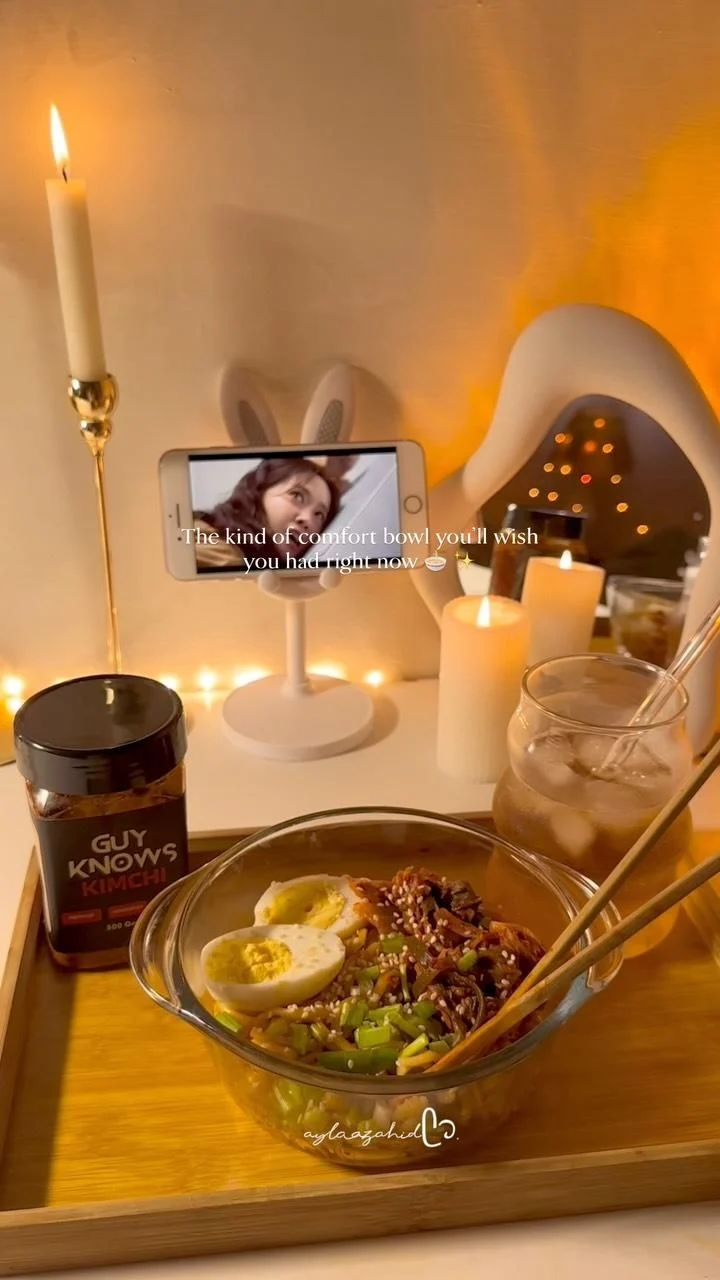
Spicy Kimchi Noodles – Pakistani Girl's Episode 13
Spicy kimchi noodles bring fiery gochujang, tangy kimchi and springy noodles together in one wok for a 30-minute dinner that beats takeout.
🧂 Ingredients
- 250 g dried wheat or ramen noodles (about 3 cakes)
- 2 tbsp toasted sesame oil
- 5 cloves garlic, finely minced
- 1 tbsp gochujang (Korean chili paste)
- 1 tsp gochugaru (Korean chili flakes) or red chili flakes
- 1 1/2 cups (200 g) well-fermented napa kimchi, chopped, plus 3 tbsp kimchi juice
- 1 tbsp soy sauce
- 1 tbsp honey or brown sugar
- 200 g firm tofu, cubed, or 1 cup shredded cooked chicken
- 3 spring onions, sliced, whites and greens separated
- 1 tsp toasted sesame seeds, plus extra to serve
- 1/2 tsp chaat masala, optional, to finish
📋 Instructions
- 1Boil the noodles — Bring a large pot of water to a rolling boil at 212°F (100°C) and cook the noodles for 1 minute less than the packet instructions, about 3 minutes, until just bendable but still firm in the center. Reserve 1/2 cup of the starchy water, then drain and rinse briefly.
- 2Mix the sauce — In a small bowl, whisk the gochujang, gochugaru, soy sauce, honey and kimchi juice until smooth. It should look like a glossy, thick chili paste that drips slowly off the whisk.
- 3Crisp the tofu — Heat 1 tbsp sesame oil in a wide wok or large frying pan over medium-high heat, about 375°F (190°C). Add the tofu and fry for 5 to 6 minutes, turning occasionally, until golden brown on at least two sides. Transfer to a plate.
- 4Bloom the aromatics — Lower the heat to medium, about 325°F (165°C), add the remaining oil, garlic and spring onion whites, and stir for 45 seconds until fragrant but not browned. Add the sauce mixture and stir constantly for 30 seconds until it darkens and smells toasty.
- 5Fry the kimchi — Add the chopped kimchi and spread it in an even layer. Cook undisturbed for 2 minutes, then stir for 1 minute; the edges should look slightly caramelized and the pan should smell sweet-sour.
- 6Toss in the noodles — Add the drained noodles and tofu, then toss with tongs for 2 to 3 minutes at 350°F (175°C) until every strand is coated in a deep red glaze. If it looks dry, splash in noodle water 1 tbsp at a time.
- 7Season and finish — Taste and adjust with more kimchi juice, soy sauce or honey. Turn off the heat, then stir through the sesame oil, spring onion greens and sesame seeds.
- 8Serve hot — Divide between bowls, top with extra sesame seeds, spring onion greens and a pinch of chaat masala if using. Serve immediately while the noodles are still steaming and glossy.