Cozy Cravings Recipes
Perfect Chicken Pesto Pasta – Creamy 50-Minute Dinner
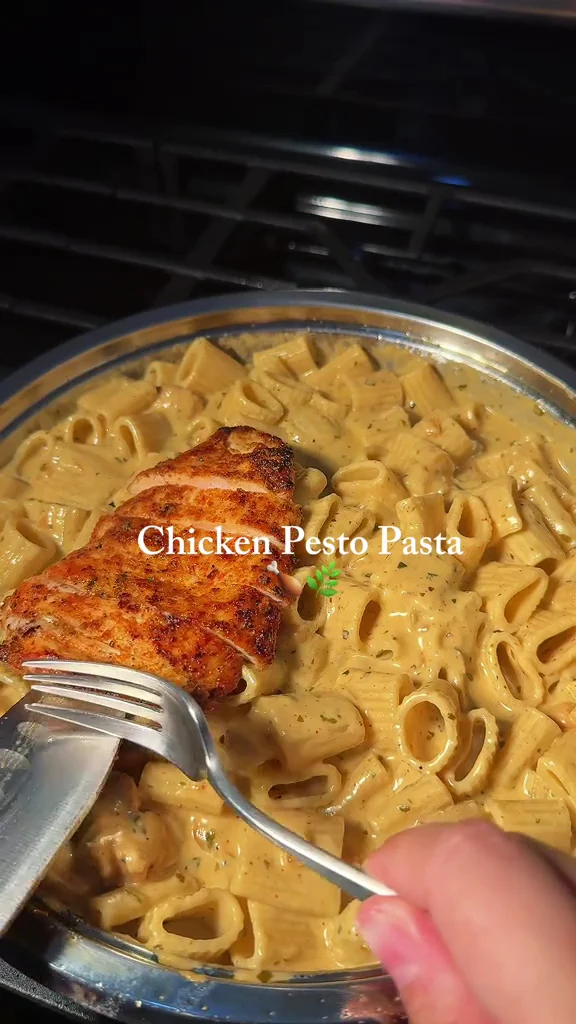
There is something magical about a bowl of pasta where every strand is coated in glossy basil pesto and topped with golden, juicy chicken. This chicken pesto pasta recipe has become my go-to weeknight dinner because it tastes like a restaurant plate but comes together with one skillet and one pot.
The trick is a two-part approach: sear the chicken until deeply golden and just cooked through, then build a silky pesto cream sauce right in the same pan so every bit of flavor stays in the dish. A splash of pasta water is the secret to a sauce that clings instead of pooling.
Serve it hot with a shower of Parmesan and a few toasted pine nuts on top. It is elegant enough for guests and fast enough for a Tuesday.
Why You'll Love This Recipe
About the Ingredients
12 oz (340 g) penne or fusilli pasta
Short shapes trap the pesto sauce best. If you only have spaghetti, reserve an extra 1/4 cup pasta water because long noodles absorb more sauce.
1 1/2 lb (680 g) boneless, skinless chicken breasts, cut into 1-inch pieces
Chicken thighs work beautifully here and stay juicier if you tend to overcook white meat. Pat the pieces dry so they brown instead of steam.
2 tbsp olive oil, divided
Use regular olive oil for searing and save your expensive extra-virgin for drizzling at the end. Avocado oil is a great high-heat swap.
3 garlic cloves, minced
Fresh garlic is non-negotiable for the aroma. In a pinch, 1 tsp garlic paste works, but add it after the pan is off the heat so it does not burn.
1/2 cup (120 ml) heavy cream
For a lighter version, swap in half-and-half or full-fat coconut milk, though the sauce will be slightly thinner. Do not use skim milk or it may split.
3/4 cup (180 g) basil pesto, store-bought or homemade
Refrigerated fresh pesto tastes far better than shelf-stable jars. If yours is very salty, reduce the added Parmesan by half.
1/2 cup (50 g) freshly grated Parmesan, plus more for serving
Grate it yourself from a block; pre-shredded cheese contains anti-caking agents that make the sauce grainy. Pecorino Romano is a sharper substitute.
1/2 cup (120 ml) reserved pasta water
This starchy water is the emulsifier that makes the sauce silky. Do not skip it, and add it a splash at a time until the sauce coats the pasta.
1 cup (150 g) cherry tomatoes, halved
Grape tomatoes are sweeter and hold their shape better. If tomatoes are out of season, roasted red peppers make a lovely substitute.
1/4 tsp red pepper flakes and salt and black pepper to taste
Red pepper flakes add a gentle background heat. Skip them for kids, or use a pinch of smoked paprika for warmth without spice.
2 tbsp toasted pine nuts, for garnish
Toasted walnuts or slivered almonds are budget-friendly swaps with the same buttery crunch. Toast them in a dry pan for 2 minutes until fragrant.
Tips & Tricks
Do not boil the pesto
Stir pesto into the sauce off the heat or over the lowest flame, because boiling turns fresh basil bitter and dulls its bright green color.
Season the chicken in layers
Salt the chicken pieces before searing and taste the sauce before adding extra salt, since both pesto and Parmesan are already salty.
Keep the pasta water
The starchy water is what turns cream and pesto into a glossy sauce that clings to every noodle instead of sliding off.
Do not crowd the pan
Sear the chicken in a single layer with space between pieces so it browns; a crowded pan steams the meat and leaves it pale and rubbery.
Pro Tips
Step-by-Step Instructions
1. Boil the pasta
Bring a large pot of well-salted water to a rolling boil and cook the penne for 1 minute less than the package directions, about 9 minutes, until it is firm at the center. Scoop out 1 cup of pasta water, then drain.
2. Season the chicken
Pat the chicken pieces completely dry with paper towels, then toss with 1/2 tsp salt and a few grinds of black pepper. Dry chicken is the key to a golden crust.
3. Sear the chicken
Heat 1 tbsp olive oil in a large skillet over medium-high heat (375°F / 190°C) until it shimmers. Add the chicken in a single layer and cook 5 to 6 minutes, turning once, until golden brown and the internal temperature reads 165°F (74°C). Transfer to a plate.
4. Bloom the garlic
Lower the heat to medium (300°F / 150°C), add the remaining 1 tbsp oil and the garlic, and stir for 30 to 45 seconds until fragrant but not browned. Burnt garlic turns the whole sauce bitter.
5. Build the cream sauce
Pour in the cream and 1/4 cup pasta water, scraping up the browned bits, and simmer 2 to 3 minutes until the edges bubble gently and the sauce thickens enough to coat a spoon. Stir in the Parmesan until melted.
6. Add pesto off heat
Remove the pan from the heat and stir in the pesto until the sauce is an even, vibrant green. Taste and adjust with salt and red pepper flakes.
7. Toss pasta and chicken
Add the drained pasta and seared chicken with any juices to the pan and toss over low heat (200°F / 95°C) for 1 to 2 minutes, adding splashes of pasta water until the sauce glossily coats every piece. Fold in the cherry tomatoes.
8. Garnish and serve
Divide among warm bowls, top with toasted pine nuts, extra Parmesan, and a crack of black pepper, and serve immediately while the sauce is glossy.
Delicious Variations
Sun-Dried Tomato Pesto Chicken
Swap half the basil pesto for sun-dried tomato pesto and add a handful of spinach at the end for a deeper, tangier sauce.
Pesto Chicken Alfredo Bake
Toss everything with 1 cup extra mozzarella, transfer to a baking dish, and broil at 500°F (260°C) for 4 minutes until the top is bubbling and golden.
Lemon Pesto Chicken Pasta
Add the zest and juice of 1 lemon with the cream for a brighter, summery version that pairs beautifully with grilled chicken.
How to Store Perfektes Chicken Pesto Pasta Rezept
Refrigerator
Store in an airtight container in the refrigerator for up to 3 days. Press plastic wrap directly onto the surface to keep the pesto from oxidizing and turning brown.
Freezer
Freeze the sauce and chicken together without the pasta for up to 2 months in a freezer-safe container; freeze cooked pasta separately, as it turns mushy when frozen in sauce.
Reheating
Reheat gently on the stovetop over low heat with 2 to 3 tablespoons of water or cream, stirring until loose and glossy; avoid the microwave on high, which can split the cream sauce.
Frequently Asked Questions
Q: Can I use store-bought pesto for chicken pesto pasta?
Yes, store-bought refrigerated pesto works perfectly and saves about 10 minutes. Choose a fresh refrigerated brand over a shelf-stable jar, and taste it first because salt levels vary widely between brands.
Q: How do I keep pesto pasta from being dry?
The fix is reserved pasta water added a splash at a time while tossing. The starch emulsifies the cream and pesto into a sauce that clings to the noodles instead of sitting dry at the bottom of the bowl.
Q: Can I make chicken pesto pasta ahead of time?
You can prep the components up to 2 days ahead and assemble just before serving. Cook the pasta and chicken, store them separately from the sauce, and reheat everything together gently with a splash of water so the pesto stays bright.
Q: What pasta is best for pesto chicken pasta?
Penne, fusilli, and farfalle are the best choices because their ridges and curves hold the thick pesto cream sauce. If you use long pasta like spaghetti, reserve extra pasta water since it absorbs more sauce.
Q: Is chicken pesto pasta healthy?
It can be a balanced meal, since chicken adds lean protein and pesto brings healthy fats from olive oil and nuts. To lighten it, use half-and-half instead of cream and add a cup of spinach or broccoli for extra fiber.
Give this chicken pesto pasta recipe a try tonight and let the golden chicken and glossy basil sauce do the talking. Snap a photo of your bowl, tag me, and tell me which variation you tried first.
Perfektes Chicken Pesto Pasta Rezept
This perfect chicken pesto pasta recipe delivers juicy golden chicken and silky basil pesto in one comforting 50-minute dinner your family will love.
🧂 Ingredients
- 12 oz (340 g) penne or fusilli pasta
- 1 1/2 lb (680 g) boneless, skinless chicken breasts, cut into 1-inch pieces
- 2 tbsp olive oil, divided
- 3 garlic cloves, minced
- 1/2 cup (120 ml) heavy cream
- 3/4 cup (180 g) basil pesto, store-bought or homemade
- 1/2 cup (50 g) freshly grated Parmesan, plus more for serving
- 1/2 cup (120 ml) reserved pasta water
- 1 cup (150 g) cherry tomatoes, halved
- 1/4 tsp red pepper flakes and salt and black pepper to taste
- 2 tbsp toasted pine nuts, for garnish
📋 Instructions
- 1Boil the pasta — Bring a large pot of well-salted water to a rolling boil and cook the penne for 1 minute less than the package directions, about 9 minutes, until it is firm at the center. Scoop out 1 cup of pasta water, then drain.
- 2Season the chicken — Pat the chicken pieces completely dry with paper towels, then toss with 1/2 tsp salt and a few grinds of black pepper. Dry chicken is the key to a golden crust.
- 3Sear the chicken — Heat 1 tbsp olive oil in a large skillet over medium-high heat (375°F / 190°C) until it shimmers. Add the chicken in a single layer and cook 5 to 6 minutes, turning once, until golden brown and the internal temperature reads 165°F (74°C). Transfer to a plate.
- 4Bloom the garlic — Lower the heat to medium (300°F / 150°C), add the remaining 1 tbsp oil and the garlic, and stir for 30 to 45 seconds until fragrant but not browned. Burnt garlic turns the whole sauce bitter.
- 5Build the cream sauce — Pour in the cream and 1/4 cup pasta water, scraping up the browned bits, and simmer 2 to 3 minutes until the edges bubble gently and the sauce thickens enough to coat a spoon. Stir in the Parmesan until melted.
- 6Add pesto off heat — Remove the pan from the heat and stir in the pesto until the sauce is an even, vibrant green. Taste and adjust with salt and red pepper flakes.
- 7Toss pasta and chicken — Add the drained pasta and seared chicken with any juices to the pan and toss over low heat (200°F / 95°C) for 1 to 2 minutes, adding splashes of pasta water until the sauce glossily coats every piece. Fold in the cherry tomatoes.
- 8Garnish and serve — Divide among warm bowls, top with toasted pine nuts, extra Parmesan, and a crack of black pepper, and serve immediately while the sauce is glossy.