Cozy Cravings Recipes
Microwave Mug Cookie – Gooey 5-Minute Single Serve
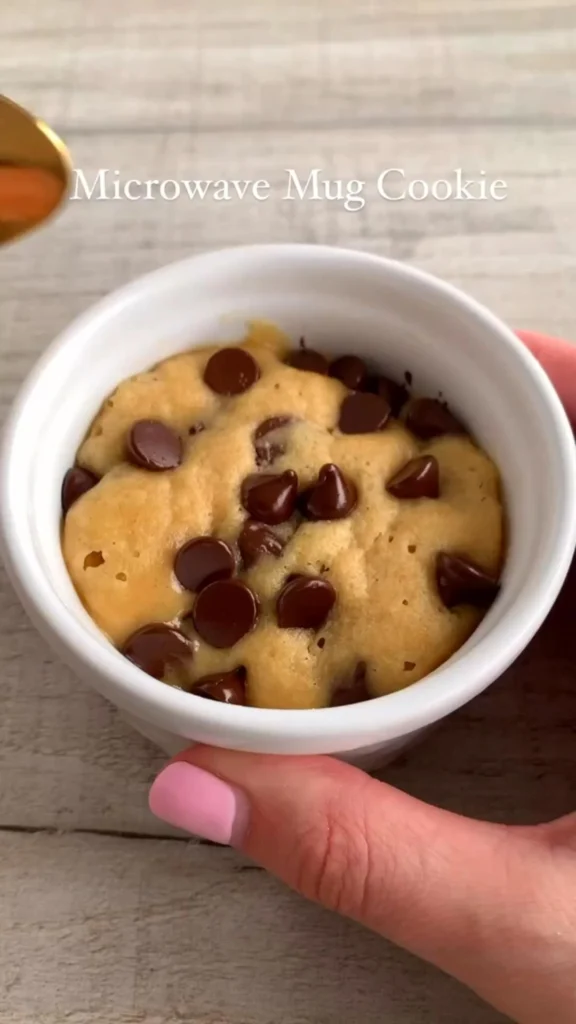
A microwave mug cookie is the answer to every late-night dessert craving: one buttery, brown-sugar-rich cookie with melted chocolate chips, cooked in a coffee mug in under two minutes. There is no dough to chill, no oven to preheat, and no tray of leftovers to tempt you tomorrow.
The trick is getting a cookie that is set at the edges but still soft and slightly underbaked in the center. That comes from the right ratio of melted butter to flour, a yolk-only addition for richness, and a short burst of power so the middle stays fudgy instead of turning into a rubbery puck.
This recipe is written for a standard 1100-watt microwave in a 12-ounce mug, with guidance for adjusting to your machine. It is the fastest way to turn a pantry raid into a dessert that tastes like it came from a real bakery.
Why You'll Love This Recipe
About the Ingredients
2 tablespoons (28g) unsalted butter, melted
Melt in 15-second bursts so it stays liquid but not sizzling hot. Salted butter works fine; just skip the pinch of salt in the dough.
2 tablespoons (25g) packed light brown sugar
Brown sugar is what makes it taste like a real chocolate chip cookie. Dark brown sugar gives a stronger molasses flavor, and granulated sugar will work but taste flatter.
1 tablespoon (12g) granulated sugar
This balances the moisture from the brown sugar and helps the edges set. Do not swap in honey or syrup, which will make the cookie gummy.
1 large egg yolk
The yolk adds richness and structure; save the white for an omelet. If you are egg-free, use 1 tablespoon of milk with 1/4 teaspoon of baking powder instead.
1/2 teaspoon vanilla extract
Real vanilla extract is worth it here since there are so few ingredients. Vanilla bean paste or a pinch of cinnamon also works well.
1/4 cup (30g) all-purpose flour
Spoon the flour into the cup and level it off so you do not pack in too much. A 1:1 gluten-free flour blend substitutes directly, though the texture will be slightly denser.
1/8 teaspoon baking soda
A small amount helps the cookie lift and brown. Do not skip it, and do not heap it, or the cookie will taste soapy.
Pinch of fine salt
Salt sharpens the sweetness. Use 1/8 teaspoon of kosher salt if you are using unsalted butter.
2 tablespoons (25g) semisweet chocolate chips
Mini chips distribute more evenly in a small mug. Chopped chocolate chunks, butterscotch chips, or a spoon of Nutella all make excellent swaps.
Tips & Tricks
Use a wide 12-ounce mug
A narrow mug forces the dough into a thick column that cooks unevenly, leaving raw batter in the middle while the top dries out.
Do not overmix after adding flour
Stir just until the flour disappears; extra stirring develops gluten and makes the cookie tough rather than tender.
Watch your wattage
A 700-watt microwave needs about 20 extra seconds, while a 1200-watt one may need 10 fewer, so check at the 60-second mark the first time.
- Pull it out while the center looks slightly wet: The cookie keeps cooking in the hot mug for another minute, so a glossy center turns perfectly gooey, not raw.
Pro Tips
Step-by-Step Instructions
1. Melt the butter
Add the butter to a 12-ounce microwave-safe mug and heat in 15-second bursts at full power until just melted, about 30 to 45 seconds total. Let it cool for 30 seconds so it does not cook the egg yolk.
2. Mix in the sugars
Stir in the brown sugar, granulated sugar, and salt with a fork until the mixture is smooth and no sugar granules feel gritty, about 30 seconds. A fork beats a spoon here because it breaks up clumps of brown sugar.
3. Add yolk and vanilla
Beat in the egg yolk and vanilla until glossy and evenly combined, about 20 seconds. If the mixture looks curdled, it is just too warm; stir in 1 teaspoon of the flour to bring it back together.
4. Fold in the dry ingredients
Add the flour and baking soda and stir gently just until no dry streaks remain, about 15 to 20 seconds. Stop as soon as the batter comes together, because overmixing makes the cookie tough.
5. Stir in the chocolate
Fold in the chocolate chips, reserving a few to press on top, and smooth the batter into an even layer in the mug. Even batter means even cooking.
6. Microwave on high
Cook uncovered at full power (high) for 60 to 90 seconds, until the edges look set and slightly puffed and the center still looks glossy and soft. The cookie should read about 190 to 200 Fahrenheit (88 to 93 Celsius) at the edge if you check with an instant-read thermometer.
7. Rest and finish
Let the mug stand for 1 minute so the center finishes setting, then press the reserved chips on top and add a pinch of flaky salt if you like. Eat warm with a spoon.
Delicious Variations
Double Chocolate Mug Cookie
Swap 1 tablespoon of the flour for cocoa powder and use dark chocolate chips for a brownie-like result.
Peanut Butter Mug Cookie
Stir 1 tablespoon of creamy peanut butter into the butter and sugar step and top with chopped peanuts.
Oatmeal Raisin Mug Cookie
Replace 1 tablespoon of flour with quick oats and use raisins soaked in warm water for 2 minutes so they stay plump.
How to Store Microwave Mug Cookie
Refrigerator
Best eaten immediately, but a cooled mug cookie can be covered and refrigerated for up to 2 days.
Freezer
Not recommended, since the texture becomes dense and spongy after freezing and reheating.
Reheating
Sprinkle with 1 teaspoon of water, cover loosely, and microwave at full power for 15 to 20 seconds to soften it again.
Frequently Asked Questions
Q: Why did my mug cookie turn out rubbery?
Overmixing the flour and microwaving too long are the two main causes of a rubbery mug cookie. Stir only until the flour disappears and stop cooking while the center still looks slightly glossy, then let it rest for 1 minute.
Q: Can I make a microwave mug cookie without an egg?
Yes, replace the egg yolk with 1 tablespoon of milk plus 1/4 teaspoon of baking powder. The cookie will be a bit cakier but still soft and sweet, and it cooks in the same amount of time.
Q: How long should a mug cookie go in the microwave?
Start with 60 seconds at full power and add 10-second bursts until the edges are set, which usually lands between 60 and 90 seconds total. Wattage matters more than time, so a 700-watt microwave may need closer to 100 seconds.
Q: Can I use a different mug or a ramekin?
Use a microwave-safe mug or ramekin that holds at least 12 ounces, and avoid mugs with metallic paint or gold rims. A wider, shallower dish cooks faster, so check it at 50 seconds.
Q: Is a mug cookie supposed to be gooey in the middle?
Yes, a good mug cookie is set at the edges and soft, slightly gooey in the center. It firms up as it rests, so do not keep microwaving it until it looks completely dry or it will turn tough.
Grab your favorite mug and make this microwave mug cookie tonight; it takes five minutes, one fork, and ingredients you already have. If you try a variation, leave a comment and tell me which one won.
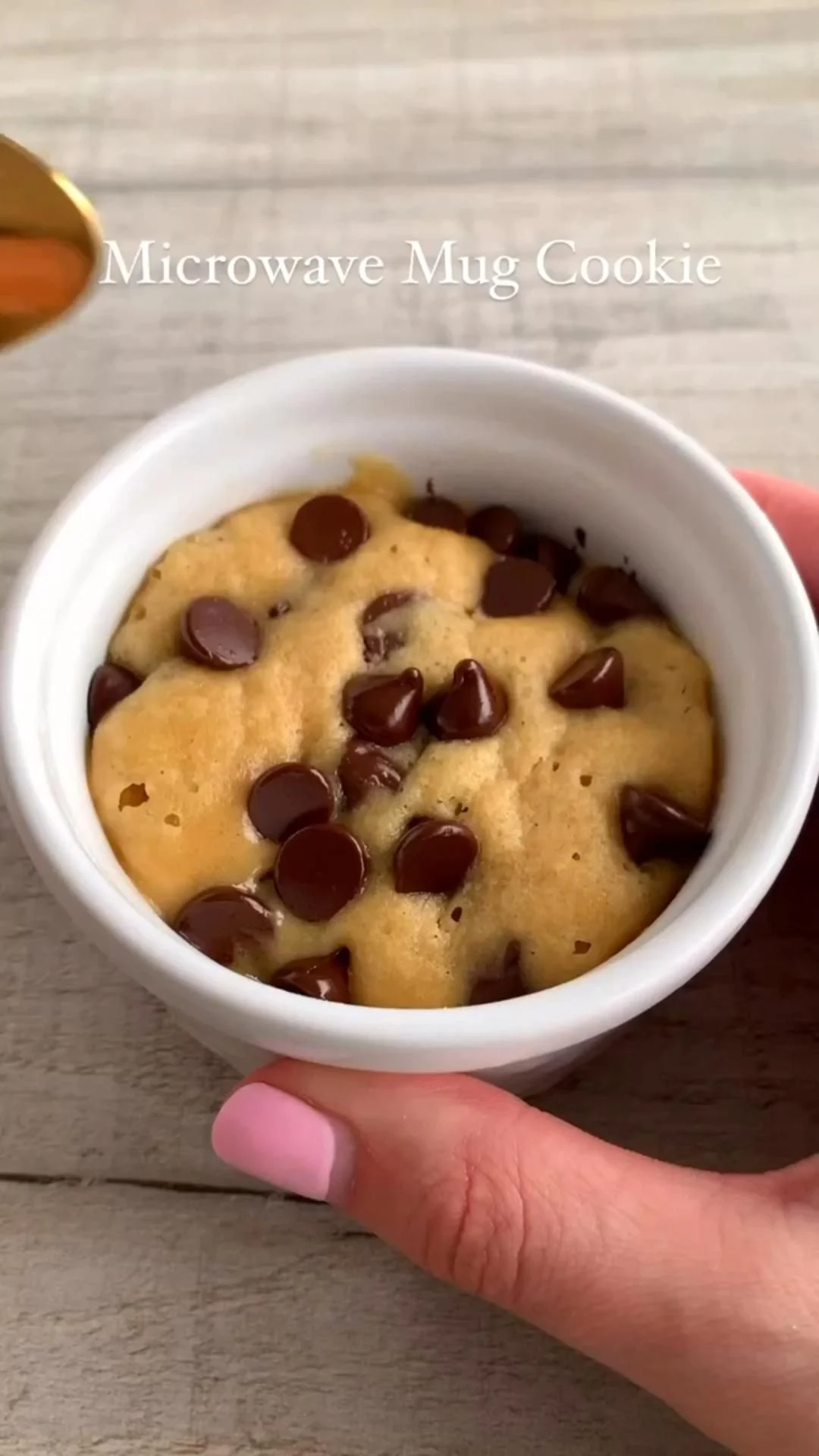
Microwave Mug Cookie
This microwave mug cookie delivers a warm, gooey chocolate chip cookie in 90 seconds with no oven, no chilling, and almost nothing to clean up.
🧂 Ingredients
- 2 tablespoons (28g) unsalted butter, melted
- 2 tablespoons (25g) packed light brown sugar
- 1 tablespoon (12g) granulated sugar
- 1 large egg yolk
- 1/2 teaspoon vanilla extract
- 1/4 cup (30g) all-purpose flour
- 1/8 teaspoon baking soda
- Pinch of fine salt
- 2 tablespoons (25g) semisweet chocolate chips
📋 Instructions
- 1Melt the butter — Add the butter to a 12-ounce microwave-safe mug and heat in 15-second bursts at full power until just melted, about 30 to 45 seconds total. Let it cool for 30 seconds so it does not cook the egg yolk.
- 2Mix in the sugars — Stir in the brown sugar, granulated sugar, and salt with a fork until the mixture is smooth and no sugar granules feel gritty, about 30 seconds. A fork beats a spoon here because it breaks up clumps of brown sugar.
- 3Add yolk and vanilla — Beat in the egg yolk and vanilla until glossy and evenly combined, about 20 seconds. If the mixture looks curdled, it is just too warm; stir in 1 teaspoon of the flour to bring it back together.
- 4Fold in the dry ingredients — Add the flour and baking soda and stir gently just until no dry streaks remain, about 15 to 20 seconds. Stop as soon as the batter comes together, because overmixing makes the cookie tough.
- 5Stir in the chocolate — Fold in the chocolate chips, reserving a few to press on top, and smooth the batter into an even layer in the mug. Even batter means even cooking.
- 6Microwave on high — Cook uncovered at full power (high) for 60 to 90 seconds, until the edges look set and slightly puffed and the center still looks glossy and soft. The cookie should read about 190 to 200 Fahrenheit (88 to 93 Celsius) at the edge if you check with an instant-read thermometer.
- 7Rest and finish — Let the mug stand for 1 minute so the center finishes setting, then press the reserved chips on top and add a pinch of flaky salt if you like. Eat warm with a spoon.