Cozy Cravings Recipes
Microwave Mug Cookie – Easy 2-Minute Single Serve
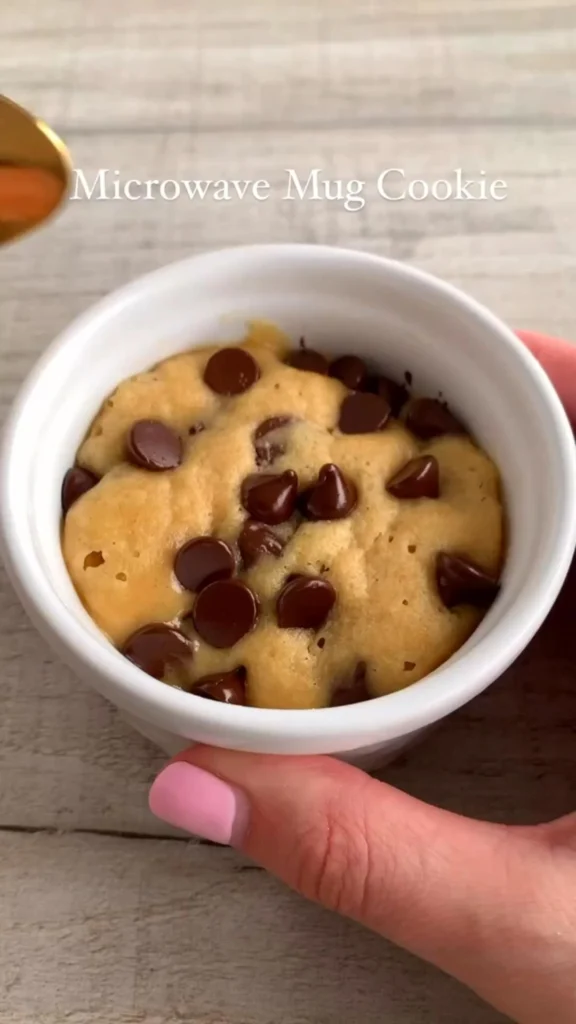
Some nights you want a warm chocolate chip cookie but you do not want to heat the whole oven or wait for a tray to cool. This microwave mug cookie solves that in about two minutes flat, using a single mug and ingredients you almost certainly already have in your cupboard.
The trick is the butter-to-flour ratio and a short burst of power so the center stays soft and slightly molten while the edges set. You get a spoonable, buttery cookie with melted chocolate in every bite, made for one person, with no leftovers to tempt you.
It is the ideal late-night dessert, dorm-room treat, or quick reward after a long day, and it comes together in one mug with a fork and no mixer.
Why You'll Love This Recipe
About the Ingredients
3 tbsp (24g) all-purpose flour
Spoon flour into the measuring spoon and level it off so you do not pack it. For a gluten-free mug cookie, swap in an equal amount of 1-to-1 gluten-free baking blend.
2 tbsp (28g) unsalted butter, melted
Melt in the mug in 15-second bursts so it does not spatter. Salted butter works too; just skip the pinch of salt in the recipe.
1 tbsp (12g) granulated sugar
White sugar keeps the cookie tender and sweet. You can replace it with coconut sugar for a deeper, caramel-like flavor.
1 tbsp (12g) packed light brown sugar
Brown sugar adds moisture and chew, so do not skip it. Dark brown sugar gives an even richer molasses taste.
1 large egg yolk
The yolk gives richness without making the cookie rubbery. If you avoid egg, use 1 tablespoon of milk plus 1/4 teaspoon baking powder as a substitute.
1/4 tsp vanilla extract
Real vanilla rounds out the flavor. Vanilla bean paste or maple syrup can stand in at the same amount.
1/8 tsp baking soda
A small pinch helps the cookie puff slightly. Make sure your baking soda is fresh by testing it with a drop of vinegar.
1/8 tsp fine salt
A pinch balances the sweetness. Use kosher salt at the same amount or a little less if your butter was salted.
2 tbsp (30g) semisweet chocolate chips
Chips melt into gooey pockets. Chop a square of dark chocolate or use mini chips, which distribute more evenly in a small mug.
1 tbsp chopped walnuts (optional)
Nuts add crunch and toasty flavor. Pecans or a spoon of peanut butter are great swaps if you prefer.
Tips & Tricks
Do not overmix
Stir just until the flour disappears, because overworking develops gluten and makes the cookie tough and bouncy.
Watch the power level
Microwave on high but start with 60 seconds, since wattages vary wildly and an extra 20 seconds can dry the cookie out.
Use a wide mug
A standard 12-ounce mug works best, and a wider mouth cooks more evenly than a tall narrow one that can bubble over.
Let it rest
Give the mug 1 minute on the counter after cooking so the center finishes setting and you do not burn your tongue.
Pro Tips
Step-by-Step Instructions
1. Melt the butter
Add the butter to a 12-ounce microwave-safe mug and heat on high for 20 to 30 seconds until fully melted. Swirl the mug so the butter coats the sides, which helps the cookie release later.
2. Mix the sugars
Stir in the granulated sugar, brown sugar, and salt with a fork until the mixture looks smooth and no sugar clumps remain. This takes about 30 seconds.
3. Add egg and vanilla
Beat in the egg yolk and vanilla extract until glossy and evenly combined, about 20 seconds. If any yolk streaks remain, keep stirring briefly.
4. Fold in dry ingredients
Add the flour and baking soda and stir gently just until the flour disappears, about 15 to 20 seconds. Stop as soon as you see no dry patches, because overmixing toughens the cookie.
5. Add the chocolate
Fold in most of the chocolate chips and the walnuts if using, reserving a few chips to press onto the top. The batter should look thick and slightly sticky.
6. Microwave on high
Microwave on high (100 percent power) for 60 to 75 seconds at 1000 watts. The cookie is done when the edges look set and slightly puffed and the center still looks glossy and soft.
7. Rest and check
Let the mug stand for 1 minute so the center finishes cooking gently. If the middle still looks raw after resting, microwave in 10-second bursts, checking after each one.
8. Top and serve
Press the reserved chocolate chips into the warm top so they melt, then eat with a spoon while the center is gooey. Add a scoop of vanilla ice cream if you like.
Delicious Variations
Peanut Butter Chocolate
Swirl 1 tablespoon of creamy peanut butter into the batter before cooking and top with a few extra chips.
S'mores Mug Cookie
Swap the chocolate chips for chopped milk chocolate and fold in 1 tablespoon of crushed graham crackers plus 3 mini marshmallows on top.
Oatmeal Raisin
Replace 1 tablespoon of the flour with 1 tablespoon of rolled oats and use raisins instead of chocolate chips for a chewier version.
How to Store Microwave Mug Cookie
Refrigerator
Cool completely, cover the mug tightly, and refrigerate for up to 2 days; the texture firms up, so warm it briefly before eating.
Freezer
The cooked cookie can be scooped out, wrapped tightly, and frozen for up to 1 month, though the texture is best fresh.
Reheating
Sprinkle with a teaspoon of water, cover loosely, and microwave on high for 15 to 20 seconds until warm and soft again.
Frequently Asked Questions
Q: Why did my microwave mug cookie turn out rubbery?
Overmixing and overcooking are the two main causes of a rubbery mug cookie. Stir only until the flour is just combined and stop microwaving as soon as the edges set, even if the center looks a little soft.
Q: Can I make a microwave mug cookie without eggs?
Yes, you can replace the egg yolk with 1 tablespoon of milk plus 1/4 teaspoon of baking powder. The cookie will be slightly cakier but still soft and sweet.
Q: How long should I microwave a mug cookie?
Microwave it on high for 60 to 75 seconds at 1000 watts, then let it rest for 1 minute. Higher-wattage microwaves may need only 50 to 60 seconds, so check early the first time.
Q: Can I use a different mug for this recipe?
Use a microwave-safe mug of at least 12 ounces, ideally with a wide mouth. Avoid mugs with metallic paint or gold rims, which can spark in the microwave.
Q: Is a mug cookie supposed to be gooey in the middle?
Yes, a good mug cookie has set edges and a soft, slightly molten center. If you prefer a firmer cookie, add 10 to 15 seconds of cooking time.
Grab your favorite mug and make this gooey microwave mug cookie tonight, then let me know in the comments how yours turned out and which mix-ins you tried.
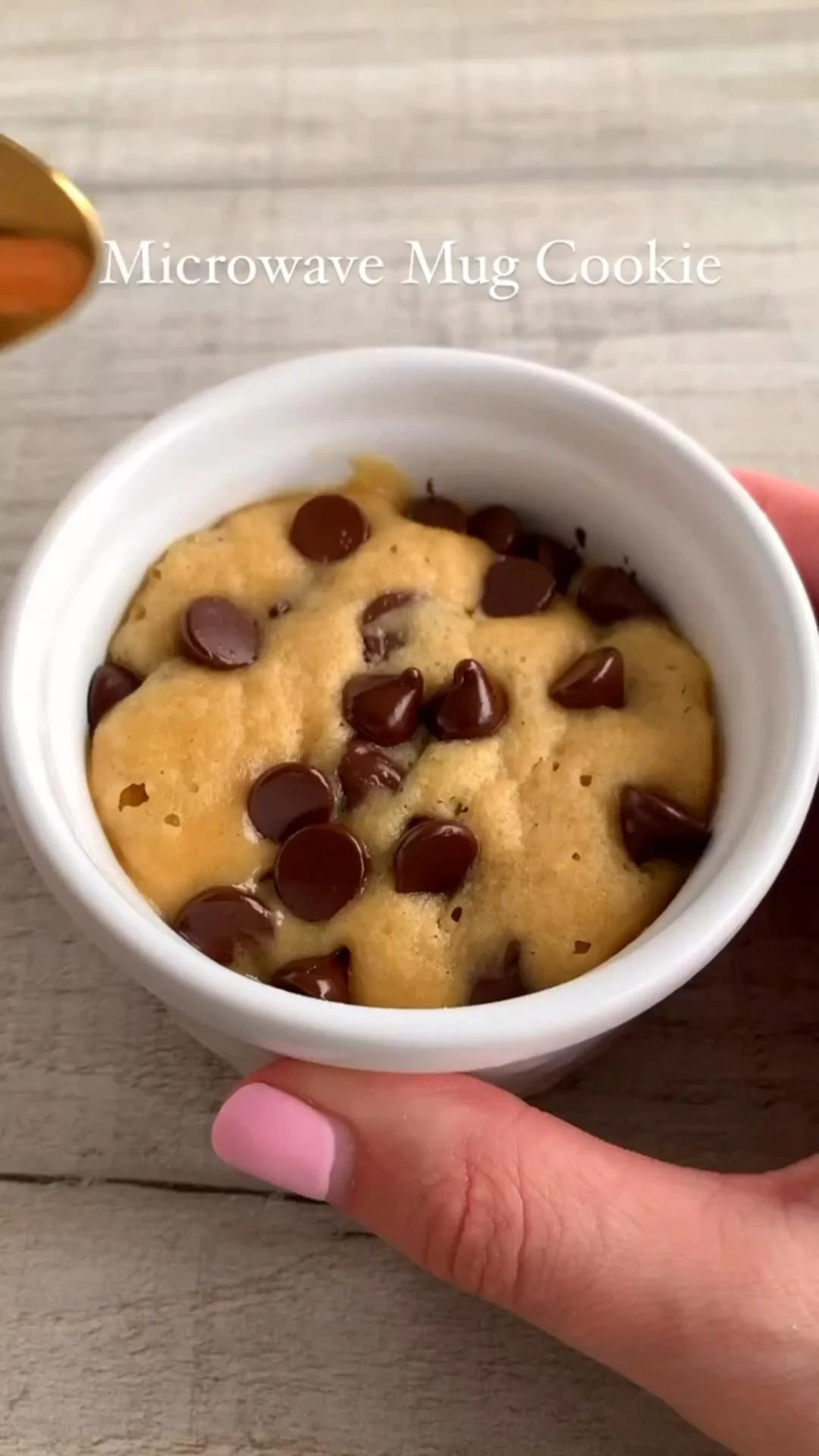
Microwave Mug Cookie
This microwave mug cookie delivers a warm, gooey chocolate chip treat in 2 minutes with pantry staples and zero oven time.
🧂 Ingredients
- 3 tbsp (24g) all-purpose flour
- 2 tbsp (28g) unsalted butter, melted
- 1 tbsp (12g) granulated sugar
- 1 tbsp (12g) packed light brown sugar
- 1 large egg yolk
- 1/4 tsp vanilla extract
- 1/8 tsp baking soda
- 1/8 tsp fine salt
- 2 tbsp (30g) semisweet chocolate chips
- 1 tbsp chopped walnuts (optional)
📋 Instructions
- 1Melt the butter — Add the butter to a 12-ounce microwave-safe mug and heat on high for 20 to 30 seconds until fully melted. Swirl the mug so the butter coats the sides, which helps the cookie release later.
- 2Mix the sugars — Stir in the granulated sugar, brown sugar, and salt with a fork until the mixture looks smooth and no sugar clumps remain. This takes about 30 seconds.
- 3Add egg and vanilla — Beat in the egg yolk and vanilla extract until glossy and evenly combined, about 20 seconds. If any yolk streaks remain, keep stirring briefly.
- 4Fold in dry ingredients — Add the flour and baking soda and stir gently just until the flour disappears, about 15 to 20 seconds. Stop as soon as you see no dry patches, because overmixing toughens the cookie.
- 5Add the chocolate — Fold in most of the chocolate chips and the walnuts if using, reserving a few chips to press onto the top. The batter should look thick and slightly sticky.
- 6Microwave on high — Microwave on high (100 percent power) for 60 to 75 seconds at 1000 watts. The cookie is done when the edges look set and slightly puffed and the center still looks glossy and soft.
- 7Rest and check — Let the mug stand for 1 minute so the center finishes cooking gently. If the middle still looks raw after resting, microwave in 10-second bursts, checking after each one.
- 8Top and serve — Press the reserved chocolate chips into the warm top so they melt, then eat with a spoon while the center is gooey. Add a scoop of vanilla ice cream if you like.