Cozy Cravings Recipes
Mediterranean Diet & Recipes For Beginners – Easy 50-Minute
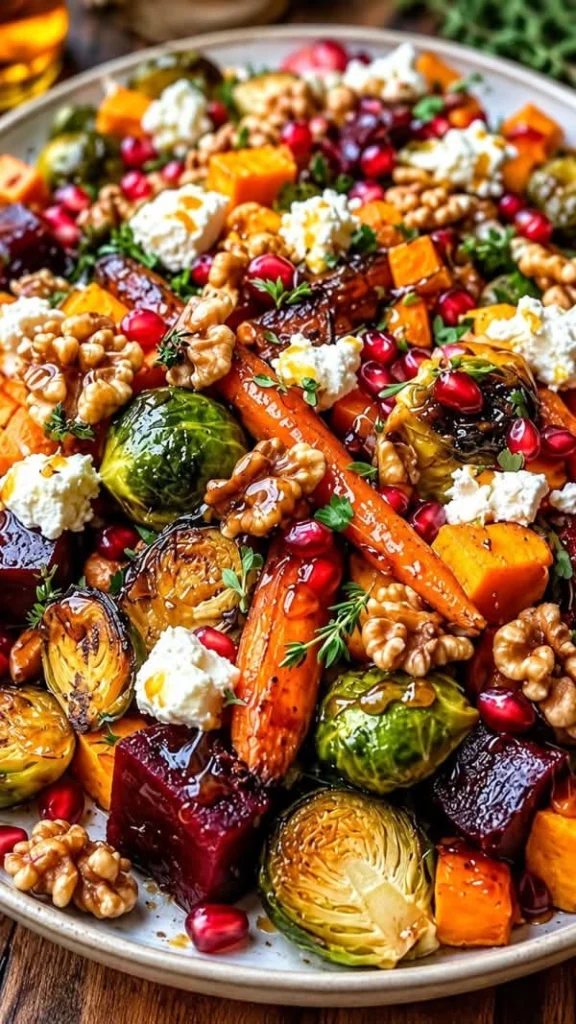
If you have ever stared at a Mediterranean diet food list and wondered where to actually start, this beginner bowl is your answer. It is built around the three pillars of the eating pattern that dietitians keep repeating: legumes, vegetables, and olive oil, with a little feta for joy. Nothing here is obscure, expensive, or requires a specialty store run.
The technique is deliberately simple. You roast a sheet pan of zucchini, red pepper, and red onion at 425F (220C) until the edges caramelize, which is where all the sweetness comes from. While that happens, you warm chickpeas with garlic, lemon, and oregano until they smell like a Greek taverna, then everything meets in one bowl over quinoa.
This is the recipe I hand to friends who say they do not know how to cook Mediterranean food. It teaches the pattern rather than a single dish: a grain, a legume, a pile of vegetables, a fat, and an acid. Once you have made it twice, you can swap in whatever is in your fridge.
Why You'll Love This Recipe
About the Ingredients
1 cup (170g) dry quinoa, rinsed well
Rinsing removes the bitter saponin coating, so do not skip it. Substitution: use 3 cups cooked farro or brown rice if you prefer a chewier grain.
1 can (15 oz / 425g) chickpeas, drained and rinsed
Rinse until the water runs clear to wash away the canning liquid that makes them taste flat. Buying tip: look for cans with just chickpeas, water, and salt.
2 medium zucchini (about 12 oz / 340g), cut into 1/2-inch half-moons
Choose firm, glossy zucchini that feel heavy for their size. Substitution: eggplant or cauliflower florets work with the same timing.
1 large red bell pepper (about 7 oz / 200g), cut into 1-inch pieces
Red peppers are sweeter than green and caramelize faster. Buying tip: pick one with a shiny skin and a green stem, not a shriveled one.
1 medium red onion (about 8 oz / 225g), cut into 1-inch wedges
Keep the root end intact so the wedges hold together while roasting. Substitution: yellow onion is fine but slightly sharper.
3 tablespoons extra-virgin olive oil, divided
This is the defining fat of the Mediterranean pattern, so use a good one. Buying tip: look for a harvest date on the bottle, not just a best-by date.
3 cloves garlic, minced
Mince finely so it melts into the chickpeas instead of burning. Substitution: 1/2 teaspoon garlic powder added with the chickpeas works in a pinch.
1 teaspoon dried oregano
Crush it between your palms before adding to release the oils. Substitution: 1 tablespoon fresh oregano leaves stirred in at the end.
1 teaspoon ground cumin
Cumin gives the chickpeas a warm, earthy backbone. Buying tip: replace ground spices every 12 months for real flavor.
1 lemon, zested and juiced (about 3 tablespoons juice)
Zest first, then juice, so you do not fight a slippery peel. Substitution: 2 tablespoons red wine vinegar for the juice.
1/2 teaspoon fine sea salt, plus more for the quinoa
Season the quinoa water like pasta so the grain is seasoned from the inside. Substitution: kosher salt, using slightly more by volume.
4 oz (115g) feta cheese, crumbled, plus 2 tablespoons chopped fresh parsley
Buy feta packed in brine for a creamier, tangier crumble. Substitution: goat cheese for a softer finish or omit for a vegan bowl.
Tips & Tricks
Dry the vegetables well
Pat the zucchini and pepper with a towel before roasting. Wet vegetables steam instead of browning, and you lose the caramelized flavor that makes this bowl taste rich without meat.
Do not crowd the sheet pan
Spread the vegetables in a single layer with visible gaps. If they overlap, they release steam and turn soggy; use two pans if needed rather than piling them up.
Salt the chickpeas at the end
Add salt only after the chickpeas have simmered and softened slightly. Salting early in the pan with the garlic can make them tough and draws out moisture.
Pro Tips
Step-by-Step Instructions
1. Heat the oven
Preheat the oven to 425F (220C) and line a large rimmed sheet pan with parchment paper. A fully preheated oven is what gives the vegetables their browned edges rather than a pale, soft finish.
2. Season the vegetables
Toss the zucchini, red pepper, and red onion on the sheet pan with 2 tablespoons of the olive oil and a pinch of salt. Spread them into a single, even layer with space between the pieces.
3. Roast until caramelized
Roast for 22 to 25 minutes, until the zucchini edges are golden brown and the pepper pieces are soft with slightly blistered skins. Stir once at the 12-minute mark for even browning.
4. Cook the quinoa
While the vegetables roast, bring 2 cups (480ml) water and a pinch of salt to a boil in a small saucepan. Add the rinsed quinoa, cover, reduce to low, and simmer for 15 minutes, until the water is absorbed and the grains show a tiny white spiral.
5. Bloom the chickpeas
Warm the remaining 1 tablespoon olive oil in a skillet over medium heat, about 350F (175C) on a surface thermometer. Add the garlic, oregano, and cumin and stir for 30 seconds, until fragrant but not browned, then add the chickpeas.
6. Simmer with lemon
Add the lemon zest and 2 tablespoons of the lemon juice to the chickpeas along with 1/4 cup (60ml) water. Simmer for 5 to 6 minutes, until the liquid reduces to a glossy coating and the chickpeas are heated through and lightly softened.
7. Fluff and season
Remove the quinoa from the heat and let it stand covered for 5 minutes, then fluff with a fork and season with the 1/2 teaspoon salt. Taste and adjust, since quinoa needs more salt than you expect.
8. Assemble the bowls
Spoon the quinoa into bowls, top with the roasted vegetables and lemony chickpeas, then crumble the feta over the top. Drizzle with the remaining lemon juice and scatter with parsley before serving warm.
Delicious Variations
Greek-Style with Tzatziki
Swap the feta for a dollop of cucumber-yogurt tzatziki and add 1/4 cup chopped dill for a cooler, creamier bowl.
Farro and Roasted Tomato Version
Replace quinoa with cooked farro and add 1 cup cherry tomatoes to the sheet pan for a chewier, sweeter take.
Lemon-Herb Chicken Addition
Nestle 1 pound of cubed chicken breast among the vegetables and roast 5 minutes longer, until the chicken reaches 165F (74C) internally.
How to Store Mediterranean Diet & Recipes For Beginners
Refrigerator
Store the quinoa, vegetables, and chickpeas in separate airtight containers for up to 4 days; keep feta and parsley separate and add fresh.
Freezer
Freeze the cooled chickpea mixture and roasted vegetables in freezer bags for up to 2 months; quinoa freezes well too, but feta does not.
Reheating
Reheat in a skillet over medium heat for 4 to 5 minutes with a splash of water, or microwave covered for 90 seconds, then finish with fresh lemon and feta.
Frequently Asked Questions
Q: What can I eat on the Mediterranean diet for beginners?
Build meals around vegetables, legumes, whole grains, olive oil, fish, and a little dairy, with fruit for dessert. This bowl is a template: one grain, one legume, plenty of roasted vegetables, olive oil, and a small amount of feta. Once you learn the pattern, you can swap ingredients freely without counting anything.
Q: Is the Mediterranean diet good for weight loss?
Yes, it is one of the most studied eating patterns for sustainable weight loss because it is filling and not restrictive. The fiber from chickpeas and quinoa plus the fat from olive oil keeps you satisfied, which makes a calorie deficit easier to maintain. Portion size still matters, so use the bowl as a meal rather than an unlimited side.
Q: Can I meal prep this Mediterranean bowl?
Yes, it holds up beautifully for four days if you store the components separately. Keep the quinoa, roasted vegetables, and chickpeas in their own containers and add feta, parsley, and lemon juice right before eating. Reheat gently with a splash of water so the quinoa does not dry out.
Q: Do I have to use quinoa in this recipe?
No, any whole grain works, and brown rice, farro, or bulgur are all common Mediterranean choices. Cook them according to package directions and use about 3 cups cooked grain for this recipe. Farro gives the chewiest texture, while couscous is the fastest option.
Q: How much olive oil is healthy on the Mediterranean diet?
Olive oil is the primary fat and is used generously, but it is still calorie-dense at about 120 calories per tablespoon. Most guidelines suggest roughly 3 to 4 tablespoons per day for an adult, spread across cooking and drizzling. This recipe uses 3 tablespoons total for six servings, so it fits comfortably.
Make this beginner bowl once and you will have the Mediterranean formula memorized: grain, legume, roasted vegetables, olive oil, acid, and a little cheese. Snap a photo of your bowl, tag me, and tell me which vegetable you swapped in first.
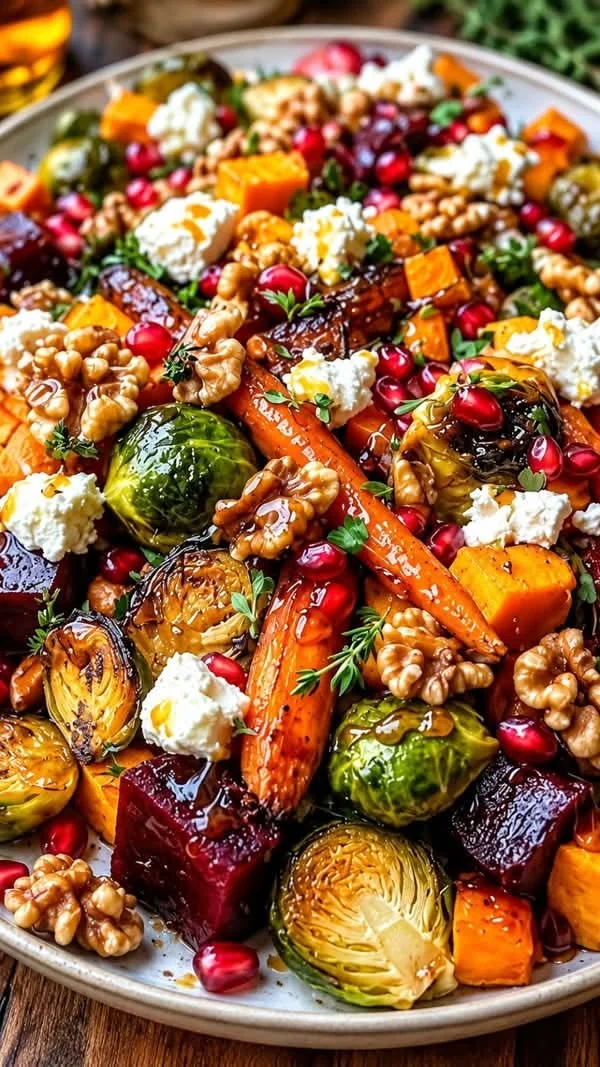
Mediterranean Diet & Recipes For Beginners
This Mediterranean diet beginner bowl layers lemony chickpeas, roasted vegetables, and feta for a fiber-rich 285-calorie meal you can master tonight.
🧂 Ingredients
- 1 cup (170g) dry quinoa, rinsed well
- 1 can (15 oz / 425g) chickpeas, drained and rinsed
- 2 medium zucchini (about 12 oz / 340g), cut into 1/2-inch half-moons
- 1 large red bell pepper (about 7 oz / 200g), cut into 1-inch pieces
- 1 medium red onion (about 8 oz / 225g), cut into 1-inch wedges
- 3 tablespoons extra-virgin olive oil, divided
- 3 cloves garlic, minced
- 1 teaspoon dried oregano
- 1 teaspoon ground cumin
- 1 lemon, zested and juiced (about 3 tablespoons juice)
- 1/2 teaspoon fine sea salt, plus more for the quinoa
- 4 oz (115g) feta cheese, crumbled, plus 2 tablespoons chopped fresh parsley
📋 Instructions
- 1Heat the oven — Preheat the oven to 425F (220C) and line a large rimmed sheet pan with parchment paper. A fully preheated oven is what gives the vegetables their browned edges rather than a pale, soft finish.
- 2Season the vegetables — Toss the zucchini, red pepper, and red onion on the sheet pan with 2 tablespoons of the olive oil and a pinch of salt. Spread them into a single, even layer with space between the pieces.
- 3Roast until caramelized — Roast for 22 to 25 minutes, until the zucchini edges are golden brown and the pepper pieces are soft with slightly blistered skins. Stir once at the 12-minute mark for even browning.
- 4Cook the quinoa — While the vegetables roast, bring 2 cups (480ml) water and a pinch of salt to a boil in a small saucepan. Add the rinsed quinoa, cover, reduce to low, and simmer for 15 minutes, until the water is absorbed and the grains show a tiny white spiral.
- 5Bloom the chickpeas — Warm the remaining 1 tablespoon olive oil in a skillet over medium heat, about 350F (175C) on a surface thermometer. Add the garlic, oregano, and cumin and stir for 30 seconds, until fragrant but not browned, then add the chickpeas.
- 6Simmer with lemon — Add the lemon zest and 2 tablespoons of the lemon juice to the chickpeas along with 1/4 cup (60ml) water. Simmer for 5 to 6 minutes, until the liquid reduces to a glossy coating and the chickpeas are heated through and lightly softened.
- 7Fluff and season — Remove the quinoa from the heat and let it stand covered for 5 minutes, then fluff with a fork and season with the 1/2 teaspoon salt. Taste and adjust, since quinoa needs more salt than you expect.
- 8Assemble the bowls — Spoon the quinoa into bowls, top with the roasted vegetables and lemony chickpeas, then crumble the feta over the top. Drizzle with the remaining lemon juice and scatter with parsley before serving warm.