Cozy Cravings Recipes
Life-Changing Peanut Butter Noodles – Creamy 20-Minute
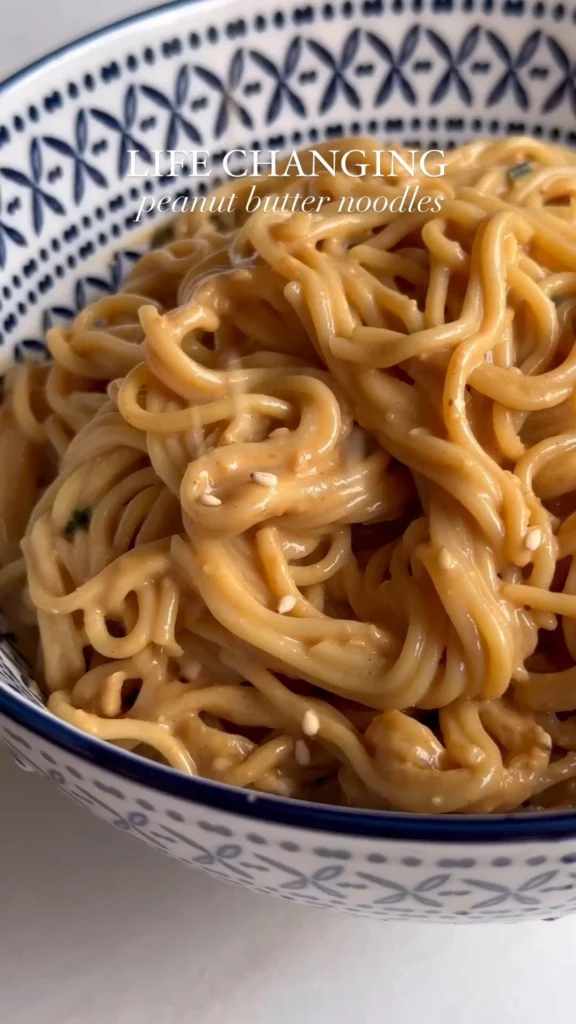
These Life-Changing Peanut Butter Noodles earn their bold name honestly: a glossy, savory-sweet peanut sauce that coats slippery noodles like velvet, with none of the gluey heaviness that plagues lesser peanut noodle recipes. The trick is whisking the peanut butter with hot noodle water until it emulsifies into a pourable sauce, then tossing everything off the heat so the noodles stay springy instead of turning to paste.
I developed this recipe for Choosing Chia after years of weeknight dinners that needed to be fast, meatless-friendly, and genuinely exciting. The sauce comes together in the time it takes the water to boil, and the whole dish lands on the table in about 20 minutes with a single pot and one mixing bowl.
Serve it warm as a main with crisp cucumber ribbons, or chill it for a lunchbox noodle salad that gets better by the hour. Either way, expect people to ask what is in that sauce.
Why You'll Love This Recipe
About the Ingredients
12 oz (340g) spaghetti or lo mein noodles
Spaghetti works beautifully, but dried lo mein or ramen noodles give a chewier bite. For a gluten-free version, use rice noodles and cook 1 minute less than the package says.
1/2 cup (130g) creamy natural peanut butter
Natural peanut butter gives the best flavor, though you must stir the oil back in first. In a pinch, almond butter or sunflower seed butter (for nut-free) substitutes one-for-one.
3 tbsp (45ml) low-sodium soy sauce
Use tamari for a gluten-free sauce that tastes just as deep. Coconut aminos works too, but reduce the honey by half since it is sweeter.
2 tbsp (30ml) rice vinegar
Rice vinegar keeps the sauce bright without harshness. Apple cider vinegar is a fine swap, but use 1 tablespoon less because it is sharper.
2 tbsp (30g) honey or maple syrup
Maple syrup makes this vegan and adds a faint woodsy note. Brown sugar also works, though whisk it into the hot pasta water first so it dissolves.
1 tbsp (15ml) toasted sesame oil
Toasted is essential for that nutty aroma; regular sesame oil is nearly flavorless. Buy a small bottle, since it goes stale after about six months.
2 cloves garlic, finely grated (about 1 tsp)
A microplane turns garlic into a paste that melts into the sauce. If you are out, 1/4 teaspoon garlic powder stirred in with the soy sauce is the backup.
1 tsp freshly grated ginger
Fresh ginger adds a warm bite; jarred ginger paste is a decent shortcut. Keep a knob in the freezer and grate it frozen for zero waste.
1/4 to 1/2 tsp red pepper flakes
Start with 1/4 teaspoon and taste before adding more. Aleppo pepper gives a fruitier, milder heat if you are feeding spice-shy eaters.
1/2 cup (120ml) hot reserved pasta water, plus more as needed
This starchy water is the emulsifier that makes the sauce creamy, so never drain it all away. If you forget, hot tap water works but the sauce will be slightly thinner.
1 cup (120g) shredded red cabbage and 1 Persian cucumber, julienned
These add crunch and color; shredded carrot or thinly sliced bell pepper works equally well. Buy pre-shredded cabbage on busy nights to save five minutes.
1/4 cup (30g) chopped roasted peanuts and 2 sliced scallions, for serving
Roasted salted peanuts give the best crunch; cashews or crispy fried shallots are excellent swaps. Toast them in a dry pan for 2 minutes to revive stale nuts.
Tips & Tricks
Whisk before you toss
Combine peanut butter, soy sauce, vinegar, honey, sesame oil, garlic, ginger, and pepper flakes in a bowl first, then loosen with hot pasta water. Dumping everything into the hot pot at once makes the peanut butter seize into clumps.
Reserve more water than you think
Starchy pasta water is what makes the sauce silky. Scoop out a full cup before draining, because the sauce tightens fast as it cools and you will want extra to loosen it.
Toss off the heat
Add noodles to the sauce with the burner off. Boiling the sauce makes the peanut butter turn grainy and oily, which is the most common way this dish goes wrong.
Season at the end
Peanut butter varies wildly in salt content. Taste after tossing and add a splash more soy sauce or a pinch of salt only if it needs it.
Pro Tips
Step-by-Step Instructions
1. Boil the water
Bring a large pot of generously salted water to a rolling boil over high heat, about 8 to 10 minutes. Salting the water now seasons the noodles from the inside out.
2. Whisk the sauce
While the water heats, whisk the peanut butter, soy sauce, rice vinegar, honey, sesame oil, garlic, ginger, and red pepper flakes in a large bowl until smooth and thick, about 1 minute. It will look stiff at this stage, which is expected.
3. Cook the noodles
Add the noodles and cook at a gentle boil (about 200F / 93C) for 8 to 10 minutes, until al dente with a slight bite at the center. Check 1 minute before the package time, since mushy noodles ruin the texture.
4. Reserve the water
Scoop out 1 cup of the hot starchy cooking water and set it aside, then drain the noodles in a colander. Do not rinse them, as the surface starch helps the sauce cling.
5. Emulsify the sauce
Whisk 1/2 cup of the hot pasta water into the peanut sauce in a steady stream until it turns glossy, pourable, and pale caramel in color, about 30 seconds. Add more water a tablespoon at a time if it still looks thick.
6. Toss off the heat
Add the hot noodles to the bowl with the burner off and toss with tongs for 1 to 2 minutes, until every strand is evenly coated and the sauce looks creamy rather than separated. If it tightens, splash in more pasta water.
7. Add the crunch
Fold in the shredded cabbage and cucumber and toss for 30 seconds, just until evenly distributed but still crisp. Taste and adjust with a splash of soy sauce or vinegar.
8. Garnish and serve
Divide among bowls and top with chopped roasted peanuts and sliced scallions. Serve immediately while the noodles are still warm and glossy.
Delicious Variations
Spicy Sesame Peanut Noodles
Add 1 tablespoon chili crisp and 1 teaspoon toasted sesame seeds to the sauce for a numbing, fiery kick.
Peanut Noodle Salad
Chill the tossed noodles for 1 hour, then fold in extra cucumber, mint, and a squeeze of lime for a cold lunch dish.
Chicken Peanut Noodles
Toss in 2 cups shredded rotisserie chicken with the cabbage for a 30-gram-protein main.
How to Store Life-Changing Peanut Butter Noodles - Choosing Chia
Refrigerator
Store in an airtight container for up to 4 days. The noodles absorb sauce as they sit, so loosen with 1 to 2 tablespoons of hot water before serving.
Freezer
Freeze the sauce alone for up to 3 months in a small container; freeze assembled noodles for up to 1 month, though the vegetables will soften.
Reheating
Reheat in a skillet over medium heat (about 300F / 150C) for 3 to 4 minutes with a splash of water, tossing until glossy again. Avoid the microwave, which makes the noodles rubbery.
Frequently Asked Questions
Q: Can I make peanut butter noodles without peanut butter?
Yes, almond butter, cashew butter, or sunflower seed butter all substitute one-for-one for the peanut butter. Sunflower seed butter is the best nut-free option, though it turns the sauce slightly greenish, which is harmless.
Q: Why did my peanut sauce turn grainy or oily?
The sauce separated because it got too hot or was boiled after the noodles were added. Whisk the hot pasta water in slowly off the heat and never simmer the sauce, and it will stay silky.
Q: Are peanut butter noodles healthy?
They can be a balanced meatless meal, with about 12 grams of protein and 3 grams of fiber per serving from the peanut butter and vegetables. For more protein, add edamame or shredded chicken.
Q: What noodles are best for peanut butter noodles?
Spaghetti, lo mein, or ramen noodles all work well because their starchy surface holds the sauce. Rice noodles are the best gluten-free choice, but cook them 1 minute less so they do not turn mushy.
Q: Can I make this peanut noodle recipe ahead of time?
Yes, whisk the sauce up to 5 days ahead and refrigerate it in a jar. Cook the noodles fresh, since assembled noodles soak up the sauce and dry out within a few hours.
Grab your peanut butter and a pot of water and make these Life-Changing Peanut Butter Noodles tonight. Snap a photo of your glossy bowl, tag me, and let me know which variation you tried first.
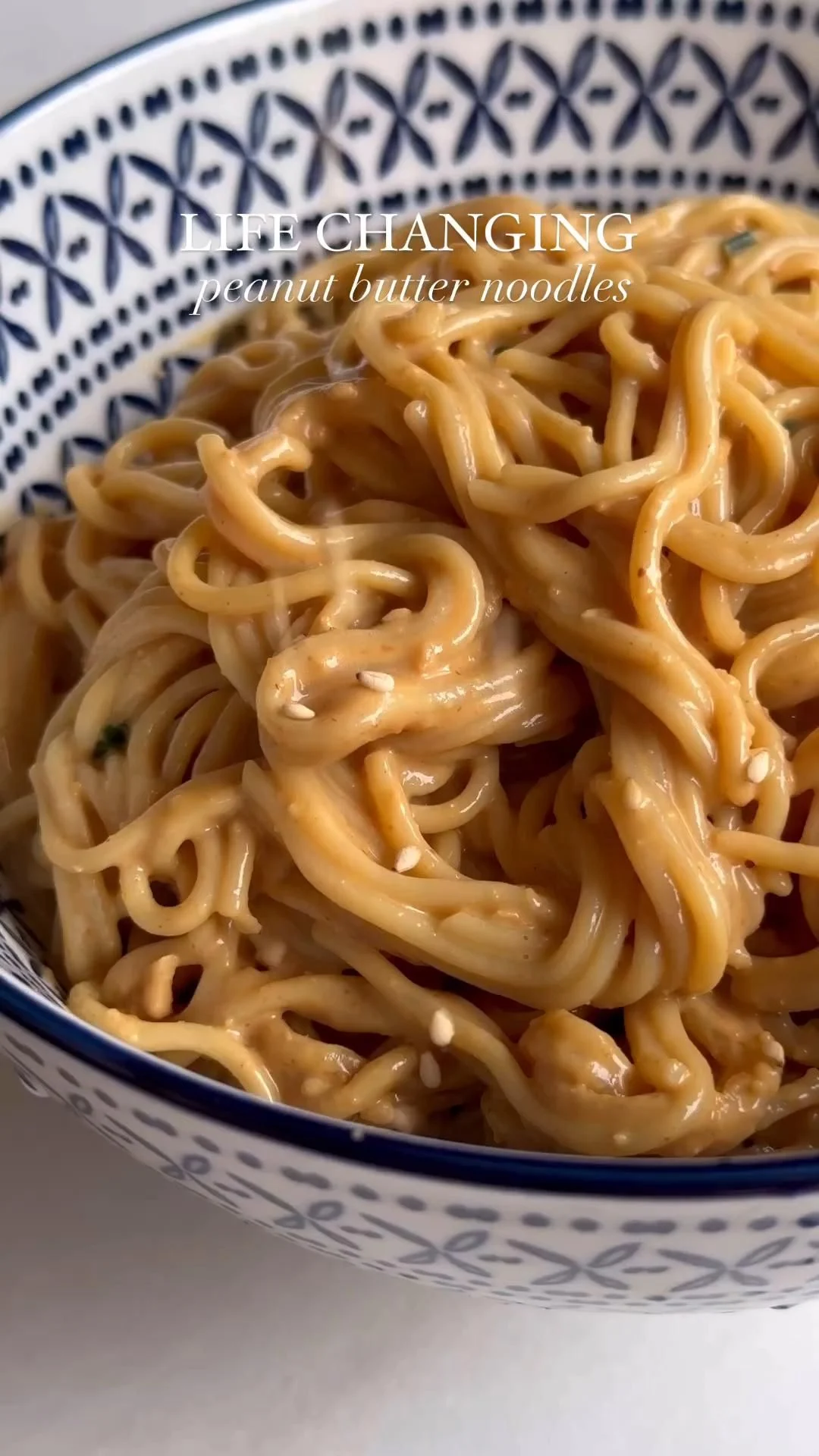
Life-Changing Peanut Butter Noodles - Choosing Chia
Life-Changing Peanut Butter Noodles - Choosing Chia delivers a silky, savory peanut sauce that clings to every strand in 20 minutes flat.
🧂 Ingredients
- 12 oz (340g) spaghetti or lo mein noodles
- 1/2 cup (130g) creamy natural peanut butter
- 3 tbsp (45ml) low-sodium soy sauce
- 2 tbsp (30ml) rice vinegar
- 2 tbsp (30g) honey or maple syrup
- 1 tbsp (15ml) toasted sesame oil
- 2 cloves garlic, finely grated (about 1 tsp)
- 1 tsp freshly grated ginger
- 1/4 to 1/2 tsp red pepper flakes
- 1/2 cup (120ml) hot reserved pasta water, plus more as needed
- 1 cup (120g) shredded red cabbage and 1 Persian cucumber, julienned
- 1/4 cup (30g) chopped roasted peanuts and 2 sliced scallions, for serving
📋 Instructions
- 1Boil the water — Bring a large pot of generously salted water to a rolling boil over high heat, about 8 to 10 minutes. Salting the water now seasons the noodles from the inside out.
- 2Whisk the sauce — While the water heats, whisk the peanut butter, soy sauce, rice vinegar, honey, sesame oil, garlic, ginger, and red pepper flakes in a large bowl until smooth and thick, about 1 minute. It will look stiff at this stage, which is expected.
- 3Cook the noodles — Add the noodles and cook at a gentle boil (about 200F / 93C) for 8 to 10 minutes, until al dente with a slight bite at the center. Check 1 minute before the package time, since mushy noodles ruin the texture.
- 4Reserve the water — Scoop out 1 cup of the hot starchy cooking water and set it aside, then drain the noodles in a colander. Do not rinse them, as the surface starch helps the sauce cling.
- 5Emulsify the sauce — Whisk 1/2 cup of the hot pasta water into the peanut sauce in a steady stream until it turns glossy, pourable, and pale caramel in color, about 30 seconds. Add more water a tablespoon at a time if it still looks thick.
- 6Toss off the heat — Add the hot noodles to the bowl with the burner off and toss with tongs for 1 to 2 minutes, until every strand is evenly coated and the sauce looks creamy rather than separated. If it tightens, splash in more pasta water.
- 7Add the crunch — Fold in the shredded cabbage and cucumber and toss for 30 seconds, just until evenly distributed but still crisp. Taste and adjust with a splash of soy sauce or vinegar.
- 8Garnish and serve — Divide among bowls and top with chopped roasted peanuts and sliced scallions. Serve immediately while the noodles are still warm and glossy.