

Dukkah is the Egyptian spice blend that turns ordinary chicken thighs into something you will crave on repeat: toasted hazelnuts, sesame, cumin and coriander crushed into a coarse, fragrant rubble. Here it becomes a crust, pressed onto lemon-marinated chicken and seared until deeply golden, with the lemon slices caramelizing in the same pan.
Advertisements1
The trick is a two-stage coating. A lemony yogurt-Dijon brush helps the dukkah adhere and keeps the meat juicy, while a final sprinkle after cooking preserves the crunch that the oven would otherwise soften. Bone-in skin-on thighs are ideal because the skin renders crisp while the meat stays tender, but the method adapts to boneless cuts with a shorter cook.
Serve it with couscous, flatbread or a simple green salad and spoon the pan juices over everything. The whole thing comes together in about 45 minutes with one skillet and a bowl, which is exactly the kind of dinner that earns a permanent spot in the rotation.
Why You'll Love This Recipe
About the Ingredients
6 bone-in, skin-on chicken thighs (about 2 1/4 lb / 1 kg total)
Bone-in skin-on thighs stay juiciest and give you crisp skin; boneless skinless thighs work too but cook in about 20 minutes. Look for thighs of even thickness so they brown at the same rate, and pat them very dry before coating.
1/3 cup (45 g) hazelnuts, toasted and roughly chopped
Toast at 350F (175C) for 8 to 10 minutes until the skins loosen and smell nutty. Almonds or pistachios are excellent substitutes if hazelnuts are unavailable or you have a nut allergy in the house.
3 tbsp (25 g) sesame seeds
A mix of white and black sesame looks best, but either alone is fine. Toast them in a dry pan for 2 to 3 minutes over medium heat, stirring constantly, because they go from pale to burnt in seconds.
2 tsp ground cumin
Freshly ground cumin tastes dramatically brighter than a jar open for years. If yours is stale, bloom it in the dry pan for 30 seconds before mixing to wake up the oils.
2 tsp ground coriander
Buy whole coriander seeds and grind them if you can; the citrus-floral note is much stronger. Ground coriander loses potency fast, so replace jars older than a year.
1 tbsp (8 g) fennel seeds, lightly crushed
Crush with the back of a spoon or a mortar to release the anise aroma. If fennel is too licorice-forward for you, substitute 1 tsp dried oregano for a more herbal blend.
1 tsp fine sea salt, plus more for seasoning
Fine sea salt dissolves evenly into the yogurt brush; kosher salt works but use about 1 1/4 tsp. Season the chicken itself lightly too, since the crust carries most of the salt.
1/2 cup (120 g) plain Greek yogurt
Full-fat yogurt clings best and won't split under heat; sour cream is a good substitute. If using regular thin yogurt, strain it for 10 minutes in a paper-towel-lined sieve.
1 tbsp Dijon mustard
Dijon adds tang and helps the dukkah adhere; whole-grain mustard gives a coarser, more rustic texture. Avoid yellow mustard, which is too sharp and thin here.
2 tbsp (30 ml) olive oil, divided
Regular olive oil is fine for searing; reserve expensive extra-virgin for finishing. Avocado oil has a higher smoke point if your pan runs hot.
1 large lemon, half juiced (about 2 tbsp) and half thinly sliced
Roll the lemon firmly on the counter before juicing to get more juice. Meyer lemons are sweeter and less acidic if you prefer a gentler citrus note.
2 tbsp chopped fresh parsley or cilantro, for serving
Adds freshness that cuts the richness of the nut crust. Mint also works beautifully and echoes the Middle Eastern flavor profile.
Tips & Tricks
Dry the Skin Thoroughly
Moisture is the enemy of crisp skin, so pat the thighs with paper towels and let them sit uncovered in the fridge for 15 minutes if you have time.
Toast the Dukkah Components Separately
Nuts and seeds toast at different rates than ground spices, so toast nuts and seeds first, then stir in the spices off the heat to avoid bitterness.
Watch the Pan Heat
Dukkah contains nuts and sesame, which burn faster than plain chicken skin. Start at medium heat and lower it if the crust darkens before the chicken reaches temperature.
Rest Before Slicing
A 5-minute rest lets juices redistribute so they end up on your plate rather than running out when you cut into the thigh.
Pro Tips
Step-by-Step Instructions
1. Make the dukkah
Toast the hazelnuts at 350F (175C) for 8 to 10 minutes until fragrant and the skins crack, then toast the sesame seeds and crushed fennel in a dry skillet over medium heat for 2 to 3 minutes until golden. Off the heat, stir in the cumin, coriander and 1 tsp salt, then chop the nuts and combine everything into a coarse, sandy mixture with visible nut pieces.
2. Marinate the chicken
Whisk the Greek yogurt, Dijon, lemon juice and 1 tbsp olive oil in a bowl, then add the chicken thighs and turn to coat completely. Let sit at room temperature for 15 minutes while the oven heats to 400F (200C), or refrigerate up to 4 hours.
3. Coat with dukkah
Lift each thigh from the yogurt, letting the excess drip back into the bowl, and press the skin side firmly into the dukkah so a thick layer adheres. Shake off loose crumbs and set the coated thighs on a plate, skin side up.
4. Sear skin side down
Heat the remaining 1 tbsp olive oil in a large oven-safe skillet over medium heat until it shimmers. Add the thighs skin side down and cook undisturbed for 6 to 7 minutes until the crust is deep golden brown and releases easily from the pan.
5. Flip and add lemon
Turn the thighs skin side up, nestle the lemon slices into the pan around them, and cook for 2 minutes more. The lemon slices should soften and begin to caramelize at the edges.
6. Roast to temperature
Transfer the skillet to the oven at 400F (200C) and roast for 18 to 22 minutes, until an instant-read thermometer inserted into the thickest part of a thigh without touching bone reads 175F (79C) and the juices run clear.
7. Rest the chicken
Move the thighs to a warm plate and tent loosely with foil for 5 minutes. The internal temperature will rise a few degrees as it rests and the juices will settle.
8. Finish and serve
Spoon the lemony pan juices over the chicken, scatter with the reserved dukkah and chopped parsley, and serve hot with couscous, rice or warm flatbread.
Delicious Variations
Boneless Weeknight Version
Use 6 boneless skinless thighs, sear 4 minutes per side, then roast only 8 to 10 minutes at 400F (200C) for a faster dinner.
Pistachio-Lemon Dukkah
Replace hazelnuts with shelled pistachios and add 1 tsp dried mint to the spice mix for a brighter, greener crust.
Sheet-Pan Dukkah Chicken
Toss halved baby potatoes and red onion with oil on a sheet pan, nestle the coated chicken on top and roast at 425F (220C) for 35 minutes for a complete one-pan meal.
How to Store Lemon Dukkah Chicken
Refrigerator
Store cooled chicken in an airtight container in the refrigerator for up to 3 days; keep the lemon slices separate so they don't turn the crust soggy.
Freezer
Freeze cooked chicken in a single layer, wrapped tightly, for up to 2 months. The crust will soften, so plan to re-crisp it rather than thaw and serve as is.
Reheating
Reheat uncovered in a 375F (190C) oven for 10 to 12 minutes to restore some crunch, or microwave covered for 90 seconds if speed matters more than texture.
Frequently Asked Questions
Q: What is dukkah made of?
Dukkah is an Egyptian blend of toasted nuts, sesame seeds, coriander, cumin and often fennel or mint. Recipes vary by family and region, but the constants are toasted nuts and seeds with warm ground spices, crushed to a coarse, crumbly texture.
Q: Can I make dukkah ahead of time?
Yes, dukkah keeps well for up to 2 weeks in an airtight jar at room temperature. Make it in a double batch and store it away from heat and light, then use it on eggs, roasted vegetables, hummus or flatbread with olive oil.
Q: Is lemon dukkah chicken spicy?
No, this recipe is warmly spiced rather than hot, since cumin, coriander and fennel are aromatic without heat. If you want a kick, add 1/4 tsp cayenne or a pinch of chili flakes to the dukkah mixture.
Q: Can I use chicken breasts instead of thighs?
Yes, but use bone-in skin-on breasts and expect a slightly longer roast, about 25 to 30 minutes, until they reach 165F (74C). Breasts dry out faster, so watch the thermometer closely and pull them as soon as they hit temperature.
Q: What do you serve with lemon dukkah chicken?
Couscous, warm flatbread, rice pilaf or a lemony green salad all work well. A dollop of yogurt or hummus alongside balances the crunchy, nutty crust and soaks up the pan juices.
If you make this Lemon Dukkah Chicken, I would love to hear how it turned out. Leave a comment with the nuts you used or the side dish you served, and snap a photo to tag me so I can see your golden, crunchy crust.
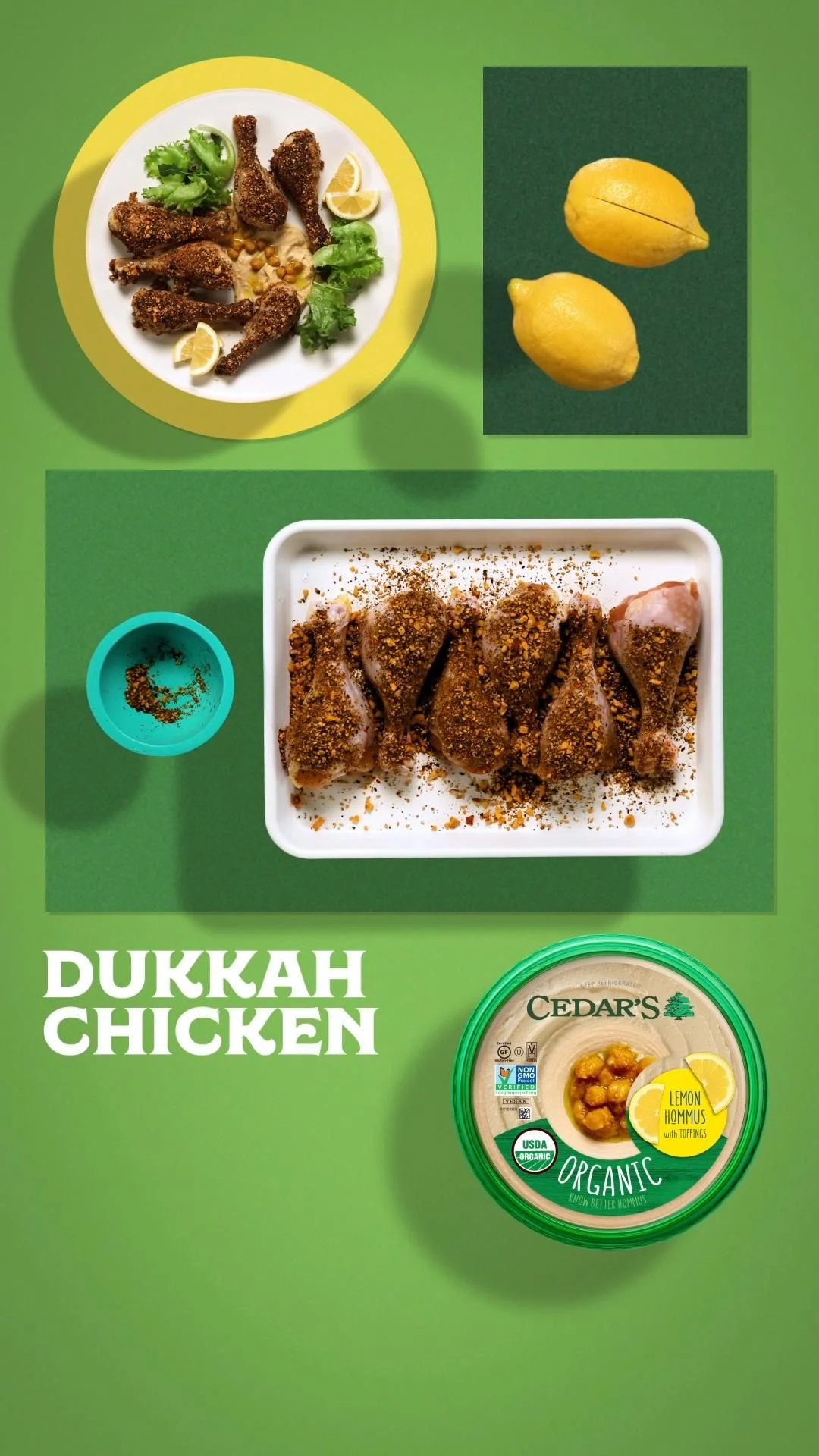
Lemon Dukkah Chicken
Lemon Dukkah Chicken pairs golden pan-seared thighs with a crunchy Egyptian nut-and-spice crust and bright lemon for an easy weeknight dinner.
🧂 Ingredients
- 6 bone-in, skin-on chicken thighs (about 2 1/4 lb / 1 kg total)
- 1/3 cup (45 g) hazelnuts, toasted and roughly chopped
- 3 tbsp (25 g) sesame seeds
- 2 tsp ground cumin
- 2 tsp ground coriander
- 1 tbsp (8 g) fennel seeds, lightly crushed
- 1 tsp fine sea salt, plus more for seasoning
- 1/2 cup (120 g) plain Greek yogurt
- 1 tbsp Dijon mustard
- 2 tbsp (30 ml) olive oil, divided
- 1 large lemon, half juiced (about 2 tbsp) and half thinly sliced
- 2 tbsp chopped fresh parsley or cilantro, for serving
📋 Instructions
- 1Make the dukkah — Toast the hazelnuts at 350F (175C) for 8 to 10 minutes until fragrant and the skins crack, then toast the sesame seeds and crushed fennel in a dry skillet over medium heat for 2 to 3 minutes until golden. Off the heat, stir in the cumin, coriander and 1 tsp salt, then chop the nuts and combine everything into a coarse, sandy mixture with visible nut pieces.
- 2Marinate the chicken — Whisk the Greek yogurt, Dijon, lemon juice and 1 tbsp olive oil in a bowl, then add the chicken thighs and turn to coat completely. Let sit at room temperature for 15 minutes while the oven heats to 400F (200C), or refrigerate up to 4 hours.
- 3Coat with dukkah — Lift each thigh from the yogurt, letting the excess drip back into the bowl, and press the skin side firmly into the dukkah so a thick layer adheres. Shake off loose crumbs and set the coated thighs on a plate, skin side up.
- 4Sear skin side down — Heat the remaining 1 tbsp olive oil in a large oven-safe skillet over medium heat until it shimmers. Add the thighs skin side down and cook undisturbed for 6 to 7 minutes until the crust is deep golden brown and releases easily from the pan.
- 5Flip and add lemon — Turn the thighs skin side up, nestle the lemon slices into the pan around them, and cook for 2 minutes more. The lemon slices should soften and begin to caramelize at the edges.
- 6Roast to temperature — Transfer the skillet to the oven at 400F (200C) and roast for 18 to 22 minutes, until an instant-read thermometer inserted into the thickest part of a thigh without touching bone reads 175F (79C) and the juices run clear.
- 7Rest the chicken — Move the thighs to a warm plate and tent loosely with foil for 5 minutes. The internal temperature will rise a few degrees as it rests and the juices will settle.
- 8Finish and serve — Spoon the lemony pan juices over the chicken, scatter with the reserved dukkah and chopped parsley, and serve hot with couscous, rice or warm flatbread.