Cozy Cravings Recipes
Korean Fried Chicken – Extra Crispy Double-Fried Winner
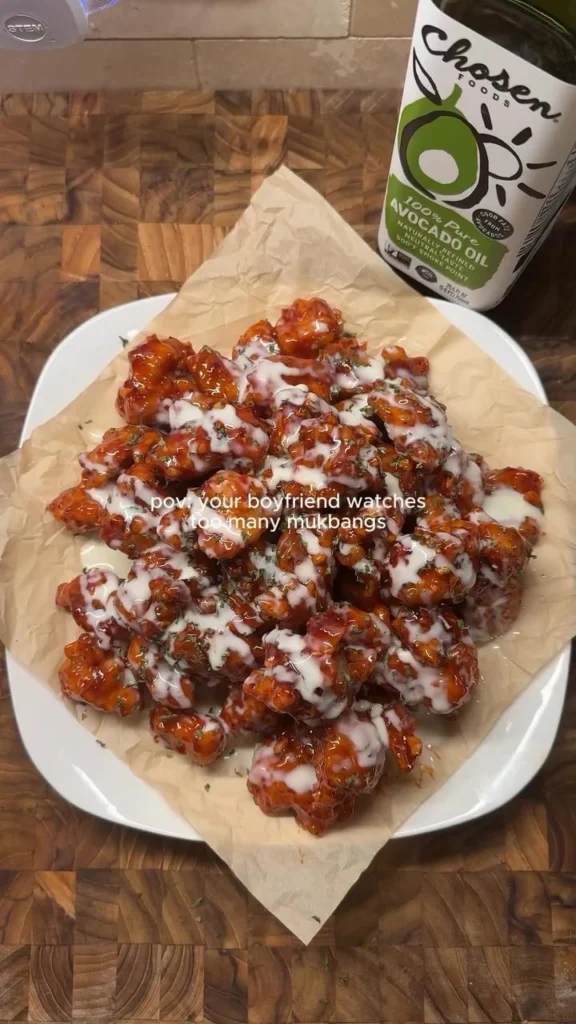
Korean fried chicken is the cult favorite that ruined regular fried chicken for me forever. The secret is a two-stage fry: a low first pass that cooks the meat through, then a screaming-hot second pass that drives out moisture and leaves a shell so thin and glassy it audibly cracks when you bite it.
Then comes the glaze—gochujang, honey, soy, garlic, and a splash of rice vinegar—simmered until it coats a spoon and tossed with the wings while they're still spitting hot. The result is sticky, glossy, and dangerously snackable, with a heat that builds slowly instead of slapping you in the face.
I tested this with wings because they're forgiving and stay juicy, but the same batter and glaze work beautifully on boneless thigh chunks. Serve with quick-pickled radish and cold beer, and watch a platter for six disappear in about ten minutes flat.
Why You'll Love This Recipe
About the Ingredients
2.5 lb (1.1 kg) chicken wings, split into flats and drumettes
Pat them bone-dry with paper towels before battering; moisture is the enemy of crunch. No wings? Boneless skinless thighs cut into 1.5-inch chunks work and cook in about 6 minutes total.
1/2 cup (65g) cornstarch
Cornstarch, not flour, is what gives KFC its signature glassy shell. Potato starch is an even more traditional swap and fries up slightly lighter.
1/4 cup (30g) all-purpose flour
Just a little flour helps the coating cling and brown evenly. For gluten-free, use a 1:1 gluten-free baking blend in its place.
1 tsp kosher salt
Use half the amount if you only have fine table salt. A teaspoon of garlic powder added here boosts the crust flavor.
1/4 cup (60ml) gochujang (Korean chili paste)
Look for the red tub in the international aisle; it's fermented, so it's more savory than plain chili paste. Sambal oelek plus a teaspoon of miso is a decent stand-in.
3 tbsp honey
Honey gives the glaze its sticky sheen. Maple syrup or brown rice syrup both work if you want a vegan version.
2 tbsp soy sauce
Low-sodium soy keeps the glaze from getting too salty. Tamari is a seamless gluten-free substitute.
3 cloves garlic, finely grated
Fresh garlic is non-negotiable here—it blooms in the hot glaze. A teaspoon of garlic paste from a tube is the lazy-day backup.
1 tbsp rice vinegar
The acid cuts the sweetness and keeps the glaze from tasting flat. Unseasoned rice vinegar is best; apple cider vinegar works in a pinch.
1 tbsp toasted sesame oil
Add it off the heat so its aroma survives. Toasted sesame oil is much more fragrant than the cold-pressed kind—don't swap.
1 tbsp toasted sesame seeds
Toast them yourself in a dry pan for 2 minutes if you only have raw ones; the flavor difference is huge.
6 cups (1.4L) neutral oil, such as peanut or canola, for frying
Peanut oil has a high smoke point and a subtle nuttiness that suits this dish. Canola is the neutral, cheaper option.
Tips & Tricks
Dry the Chicken Thoroughly
Any surface moisture steams instead of fries, so pat wings dry and let them sit uncovered in the fridge for 20 minutes before battering.
Fry in Small Batches
Crowding the pot drops the oil temperature and gives you pale, greasy chicken. Fry 6 to 8 pieces at a time and let the oil recover between batches.
Sauce at the Last Second
Toss the wings in glaze only right before serving—if they sit in sauce, the crust softens within minutes.
Pro Tips
Step-by-Step Instructions
1. Dry and Season the Wings
Pat the wings bone-dry with paper towels and season with the kosher salt. Let them sit uncovered on a rack in the fridge for 20 minutes while you make the batter—this dries the surface so the coating adheres.
2. Mix the Coating
Whisk the cornstarch and flour together in a large bowl. Add the wings and toss with your hands until every piece is evenly dusted, pressing the coating on so it sticks. Shake off excess in a colander.
3. Heat the Oil
Pour the neutral oil into a heavy Dutch oven or wok to a depth of about 2 inches and heat to 325F (165C) over medium heat. A clip-on thermometer is your best friend here—if it climbs past 340F (170C), lower the heat.
4. First Fry
Fry the wings in batches of 6 to 8 for 8 to 9 minutes, turning once, until pale golden and cooked through. The oil should bubble steadily, not furiously. Transfer to a wire rack to drain.
5. Crank the Heat
Raise the oil temperature to 375F (190C). This second, hotter fry is what makes the crust shatter—don't skip it.
6. Second Fry
Fry the wings again in batches for 2 to 3 minutes, until deep golden brown and visibly blistered, with bubbling at the edges. The internal temperature should read 165F (74C). Drain on a rack, not paper towels, so the crust stays crisp.
7. Simmer the Glaze
While the wings fry, combine the gochujang, honey, soy sauce, garlic, and rice vinegar in a small saucepan over medium heat. Simmer 3 to 4 minutes, stirring, until it thickens enough to coat the back of a spoon. Remove from heat and stir in the sesame oil.
8. Toss and Serve
Transfer the hot wings to a large bowl, pour over the warm glaze, and toss quickly to coat. Scatter with sesame seeds and serve immediately with pickled radish and cold drinks.
Delicious Variations
Soy Garlic
Skip the gochujang and simmer 3 tbsp soy, 2 tbsp honey, 4 cloves garlic, and 1 tbsp mirin for a milder, savory-sweet glaze.
Yangnyeom Extra Hot
Add 1 tbsp gochugaru chili flakes and 1 tsp of your favorite hot sauce to the glaze for a serious kick.
Air-Fryer Version
Spray the coated wings with oil and air-fry at 380F (193C) for 14 minutes, flipping halfway, then at 400F (204C) for 4 minutes to crisp.
How to Store Korean Fried Chicken
Refrigerator
Store fried wings and glaze separately in airtight containers for up to 3 days; sauced wings soften fast, so keep them apart until serving.
Freezer
Freeze first-fried, unsauced wings on a tray for 1 hour, then bag for up to 2 months. Thaw overnight in the fridge before the second fry.
Reheating
Reheat unsauced wings in a 400F (204C) oven for 8 to 10 minutes or an air fryer at 375F (190C) for 5 minutes, then toss in freshly warmed glaze.
Frequently Asked Questions
Q: What makes Korean fried chicken so crispy?
The double-fry method is the secret: a low first fry cooks the meat, and a high second fry blasts out surface moisture to create a glassy, blistered shell. Cornstarch in the coating (rather than all flour) also fries lighter and crisper than a traditional buttermilk batter.
Q: What is the difference between Korean fried chicken and regular fried chicken?
Korean fried chicken uses a thin cornstarch-based coating and is fried twice, while American fried chicken typically uses a thick flour or buttermilk batter fried once. Korean versions are also usually tossed in a sticky glaze like gochujang or soy garlic rather than served plain.
Q: Is gochujang very spicy?
Gochujang is moderately spicy—roughly medium on the heat scale—but it's also sweet and fermented, so it's more rounded than a pure chili paste. If you're heat-sensitive, start with 2 tablespoons and add a spoonful of extra honey.
Q: Can I make Korean fried chicken ahead of time?
Yes—do the first fry up to a day ahead, refrigerate the wings uncovered on a rack, then do the second fry right before serving. The second fry takes only 2 to 3 minutes, so you can serve hot wings without a last-minute scramble.
Q: What do you serve with Korean fried chicken?
Serve it with quick-pickled daikon radish, steamed rice, and cold beer or soju for the classic pairing. A simple cucumber salad or kimchi also cuts through the sweet-spicy glaze nicely.
Give this double-fry method a try this weekend and tag me in your crispy, glossy wing photos—I want to see that shatter. If you make it, leave a rating below and tell me which glaze variation you went with!
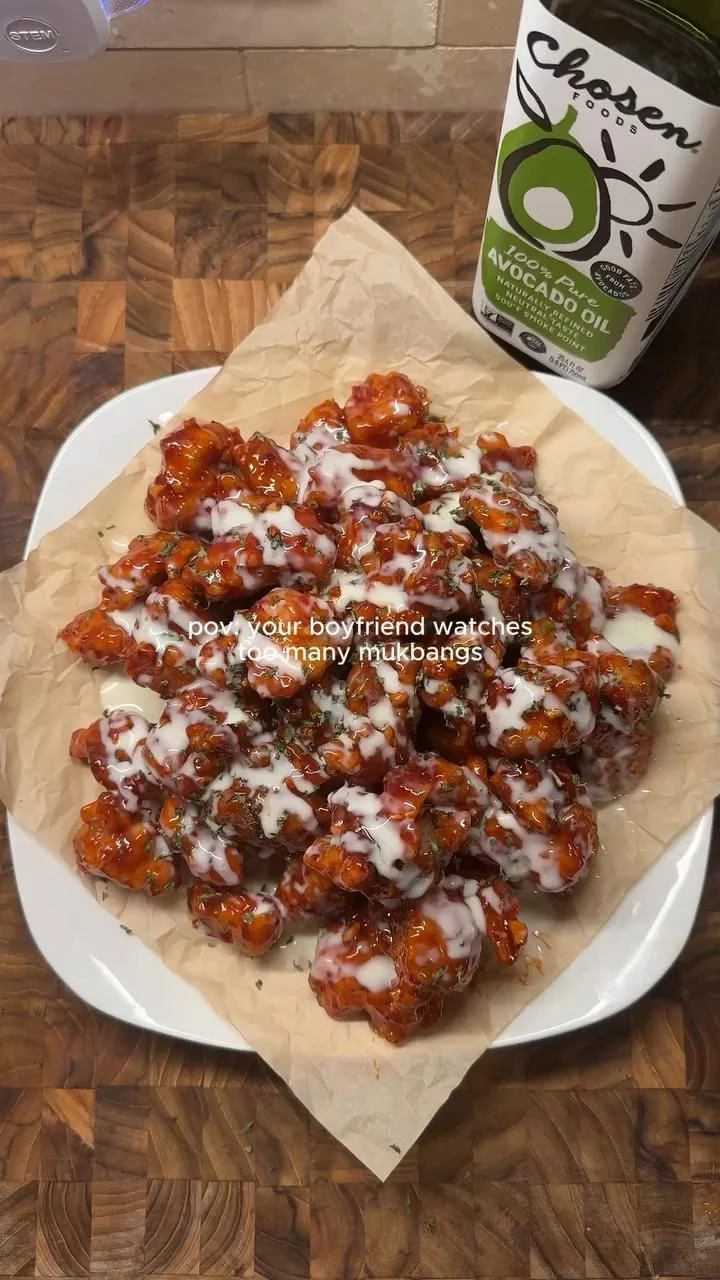
Korean Fried Chicken
Korean Fried Chicken delivers shatteringly crisp double-fried wings in a sticky gochujang glaze—an irresistible sweet-spicy crunch ready in under an hour.
🧂 Ingredients
- 2.5 lb (1.1 kg) chicken wings, split into flats and drumettes
- 1/2 cup (65g) cornstarch
- 1/4 cup (30g) all-purpose flour
- 1 tsp kosher salt
- 1/4 cup (60ml) gochujang (Korean chili paste)
- 3 tbsp honey
- 2 tbsp soy sauce
- 3 cloves garlic, finely grated
- 1 tbsp rice vinegar
- 1 tbsp toasted sesame oil
- 1 tbsp toasted sesame seeds
- 6 cups (1.4L) neutral oil, such as peanut or canola, for frying
📋 Instructions
- 1Dry and Season the Wings — Pat the wings bone-dry with paper towels and season with the kosher salt. Let them sit uncovered on a rack in the fridge for 20 minutes while you make the batter—this dries the surface so the coating adheres.
- 2Mix the Coating — Whisk the cornstarch and flour together in a large bowl. Add the wings and toss with your hands until every piece is evenly dusted, pressing the coating on so it sticks. Shake off excess in a colander.
- 3Heat the Oil — Pour the neutral oil into a heavy Dutch oven or wok to a depth of about 2 inches and heat to 325F (165C) over medium heat. A clip-on thermometer is your best friend here—if it climbs past 340F (170C), lower the heat.
- 4First Fry — Fry the wings in batches of 6 to 8 for 8 to 9 minutes, turning once, until pale golden and cooked through. The oil should bubble steadily, not furiously. Transfer to a wire rack to drain.
- 5Crank the Heat — Raise the oil temperature to 375F (190C). This second, hotter fry is what makes the crust shatter—don't skip it.
- 6Second Fry — Fry the wings again in batches for 2 to 3 minutes, until deep golden brown and visibly blistered, with bubbling at the edges. The internal temperature should read 165F (74C). Drain on a rack, not paper towels, so the crust stays crisp.
- 7Simmer the Glaze — While the wings fry, combine the gochujang, honey, soy sauce, garlic, and rice vinegar in a small saucepan over medium heat. Simmer 3 to 4 minutes, stirring, until it thickens enough to coat the back of a spoon. Remove from heat and stir in the sesame oil.
- 8Toss and Serve — Transfer the hot wings to a large bowl, pour over the warm glaze, and toss quickly to coat. Scatter with sesame seeds and serve immediately with pickled radish and cold drinks.