

These irresistibly spicy noodles are the answer to every 9 p.m. craving that starts with something hot, garlicky and slippery. Chewy wheat noodles get tossed in a glossy chili-garlic sauce built on toasted Sichuan peppercorns, gochugaru and a splash of black vinegar, so every strand is coated in that tingly, savory heat.
Advertisements1
The whole thing comes together in one wok in under an hour, and most of that time is just boiling water and chopping. You control the fire: start with the suggested chili amounts, taste the sauce before the noodles go in, and dial up the heat with extra chili crisp at the table.
Serve it as a fast weeknight main with a fried egg on top, or as a punchy side next to grilled chicken. Either way, it is the kind of dish that disappears from the bowl before anyone sits down.
Why You'll Love This Recipe
About the Ingredients
12 oz (340 g) fresh wheat noodles or 10 oz (280 g) dried ramen-style noodles
Fresh noodles give the chewiest bite; dried spaghetti or lo mein noodles work fine in a pinch. Look for noodles labeled 'fresh' in the refrigerated aisle for the best texture.
3 tbsp (45 ml) neutral oil such as grapeseed or canola
Neutral oil carries the aromatics without competing flavors. Do not substitute olive oil; its flavor clashes with the chili and vinegar.
6 garlic cloves, finely minced (about 2 tbsp)
Fresh garlic is essential here; jarred garlic tastes flat when fried. If you only have garlic powder, use 1 tsp and add it off the heat.
1 tbsp (8 g) gochugaru or Korean chili flakes
Gochugaru gives bright, fruity heat; Aleppo pepper or standard red pepper flakes are good substitutes, though standard flakes are hotter, so start with 2 tsp.
1 tsp (2 g) Sichuan peppercorns, lightly crushed
These provide the signature tingly numbing sensation. If unavailable, use 1/2 tsp ground black pepper plus a pinch of orange zest for a similar aromatic lift.
3 tbsp (45 ml) soy sauce
Use regular soy sauce, not dark, which would overpower the dish. Tamari is a great gluten-free swap with the same salty depth.
2 tbsp (30 ml) Chinese black vinegar or rice vinegar
Black vinegar adds malty complexity; balsamic is a decent stand-in if you cut it with a teaspoon of water. Rice vinegar is the mildest substitute.
1 tbsp (12 g) brown sugar
Brown sugar balances the vinegar and helps the sauce cling to the noodles. Honey works but browns faster, so add it off the heat.
1 tbsp (16 g) chili crisp or chili oil, plus more to serve
Use your favorite jarred chili crisp for crunch and depth. If you skip it, double the gochugaru and add 1 tsp toasted sesame seeds.
4 oz (115 g) shredded green cabbage
Cabbage adds crunch and bulk; shredded carrots or snap peas are excellent swaps. Bagged coleslaw mix saves five minutes of prep.
3 scallions, thinly sliced, whites and greens separated
The whites fry for aroma, the greens finish the dish raw for freshness. Thin leeks or a small shallot can replace the whites.
2 tsp (10 ml) toasted sesame oil
Added at the end so its perfume survives the heat. Toasted, not untoasted, sesame oil is what you want for flavor.
Tips & Tricks
Do not crowd the wok
cook the cabbage in a single layer over high heat so it sears instead of steaming, which keeps the texture snappy.
Taste the sauce before the noodles go in
the sauce should taste slightly too salty and too sour on its own, because the noodles will mellow it out.
Reserve pasta water
a few tablespoons of starchy noodle water emulsifies the sauce so it clings instead of pooling at the bottom of the bowl.
Bloom the spices gently
keep the oil at a shimmer, not smoking, when adding garlic and chili flakes, or they turn bitter in seconds.
Pro Tips
Step-by-Step Instructions
1. Boil the noodles
Bring a large pot of water to a rolling boil over high heat and cook the noodles according to the package, usually 3 to 4 minutes for fresh and 6 to 7 for dried. They are done when they are tender but still springy when bitten, with no chalky center. Reserve 1/2 cup (120 ml) of the cooking water, then drain.
2. Toast the peppercorns
Heat a wok or large skillet over medium heat at 350 F (175 C) for 1 minute. Add the Sichuan peppercorns and toast for 30 to 45 seconds, until fragrant and slightly darkened, then crush them lightly and set aside.
3. Bloom the aromatics
Add the neutral oil to the wok and heat to 350 F (175 C), about 1 minute. Add the garlic and scallion whites and stir constantly for 45 seconds, until pale golden and fragrant but not browned. Pull the wok off the heat and stir in the gochugaru, toasted peppercorns and chili crisp for 20 seconds, until the oil turns deep red and bubbles at the edges.
4. Build the sauce
Return the wok to low heat and stir in the soy sauce, black vinegar and brown sugar. Simmer for 1 to 2 minutes, until the sugar dissolves and the sauce coats the back of a spoon. It should look glossy and smell sweet-sour.
5. Sear the cabbage
Turn the heat to high (about 425 F / 220 C) and add the shredded cabbage in a single layer. Cook undisturbed for 2 minutes, then toss for 1 minute more, until the edges are golden and slightly charred but the leaves are still crisp.
6. Toss the noodles
Add the drained noodles to the wok and toss with tongs for 60 to 90 seconds, until every strand is coated and the sauce clings rather than pools. Add reserved noodle water 1 tablespoon at a time if the pan looks dry.
7. Finish and serve
Remove from the heat and drizzle with sesame oil. Fold in the scallion greens and taste; adjust with more soy sauce or vinegar. Serve immediately in warm bowls with extra chili crisp.
Delicious Variations
Sesame-peanut version
whisk 2 tbsp peanut butter and 1 tbsp tahini into the sauce for a creamier, nutty heat.
Protein-packed version
add 8 oz ground pork or crumbled tofu and brown it before the aromatics for a heartier main.
Cold noodle salad
rinse the cooked noodles in cold water, toss with the sauce and cucumber ribbons for a refreshing summer lunch.
How to Store Irresistibly Spicy Noodles
Refrigerator
Store in an airtight container for up to 4 days; the noodles will absorb sauce, so keep a little extra noodle water on hand.
Freezer
Freeze the sauce alone for up to 3 months in a small jar; freeze dressed noodles for up to 1 month, though the cabbage softens.
Reheating
Reheat in a hot wok or skillet over medium heat at 350 F (175 C) for 2 to 3 minutes with a splash of water, tossing until steaming.
Frequently Asked Questions
Q: How spicy are these spicy noodles?
They are moderately spicy, roughly a 3 out of 5, with a tingly numbing edge from the Sichuan peppercorns. You can halve the gochugaru to make them mild or double it for a serious kick.
Q: Can I make spicy noodles without Sichuan peppercorns?
Yes, simply omit them and add 1/2 teaspoon of freshly ground black pepper plus a pinch of orange zest. The dish loses the numbing tingle but keeps its aromatic heat.
Q: What noodles are best for spicy noodles?
Fresh wheat or ramen-style noodles are best because they stay chewy and hold sauce well. Dried lo mein or spaghetti works as a backup; avoid rice noodles, which turn mushy when tossed.
Q: Can I make this spicy noodle recipe ahead of time?
You can make the sauce up to 5 days ahead and refrigerate it in a jar. Cook the noodles fresh, since they absorb sauce and lose their springy bite after a day.
Q: How do I fix spicy noodles that are too hot?
Stir in 1 teaspoon of brown sugar and 1 tablespoon of soy sauce, then toss with extra noodles or a handful of cabbage. A spoonful of peanut butter also mutes the burn without dulling the flavor.
Grab your wok, boil the water and make these spicy noodles tonight; once you taste that glossy chili-garlic sauce, takeout will feel like a compromise. Snap a photo of your bowl and tell me how far you pushed the heat.
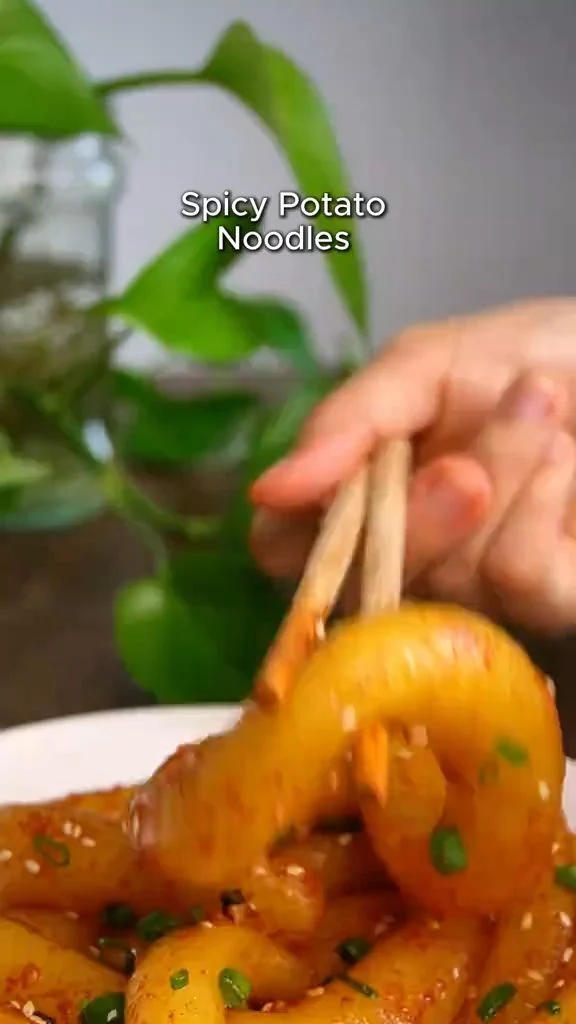
Irresistibly Spicy Noodles
Irresistibly Spicy Noodles are a fiery 50-minute one-wok dinner with garlic chili oil, springy noodles and crisp veg that beats takeout any night.
🧂 Ingredients
- 12 oz (340 g) fresh wheat noodles or 10 oz (280 g) dried ramen-style noodles
- 3 tbsp (45 ml) neutral oil such as grapeseed or canola
- 6 garlic cloves, finely minced (about 2 tbsp)
- 1 tbsp (8 g) gochugaru or Korean chili flakes
- 1 tsp (2 g) Sichuan peppercorns, lightly crushed
- 3 tbsp (45 ml) soy sauce
- 2 tbsp (30 ml) Chinese black vinegar or rice vinegar
- 1 tbsp (12 g) brown sugar
- 1 tbsp (16 g) chili crisp or chili oil, plus more to serve
- 4 oz (115 g) shredded green cabbage
- 3 scallions, thinly sliced, whites and greens separated
- 2 tsp (10 ml) toasted sesame oil
📋 Instructions
- 1Boil the noodles — Bring a large pot of water to a rolling boil over high heat and cook the noodles according to the package, usually 3 to 4 minutes for fresh and 6 to 7 for dried. They are done when they are tender but still springy when bitten, with no chalky center. Reserve 1/2 cup (120 ml) of the cooking water, then drain.
- 2Toast the peppercorns — Heat a wok or large skillet over medium heat at 350 F (175 C) for 1 minute. Add the Sichuan peppercorns and toast for 30 to 45 seconds, until fragrant and slightly darkened, then crush them lightly and set aside.
- 3Bloom the aromatics — Add the neutral oil to the wok and heat to 350 F (175 C), about 1 minute. Add the garlic and scallion whites and stir constantly for 45 seconds, until pale golden and fragrant but not browned. Pull the wok off the heat and stir in the gochugaru, toasted peppercorns and chili crisp for 20 seconds, until the oil turns deep red and bubbles at the edges.
- 4Build the sauce — Return the wok to low heat and stir in the soy sauce, black vinegar and brown sugar. Simmer for 1 to 2 minutes, until the sugar dissolves and the sauce coats the back of a spoon. It should look glossy and smell sweet-sour.
- 5Sear the cabbage — Turn the heat to high (about 425 F / 220 C) and add the shredded cabbage in a single layer. Cook undisturbed for 2 minutes, then toss for 1 minute more, until the edges are golden and slightly charred but the leaves are still crisp.
- 6Toss the noodles — Add the drained noodles to the wok and toss with tongs for 60 to 90 seconds, until every strand is coated and the sauce clings rather than pools. Add reserved noodle water 1 tablespoon at a time if the pan looks dry.
- 7Finish and serve — Remove from the heat and drizzle with sesame oil. Fold in the scallion greens and taste; adjust with more soy sauce or vinegar. Serve immediately in warm bowls with extra chili crisp.