

Ina Garten's scrambled eggs are famously slow and gentle: low heat, plenty of butter, and a splash of half-and-half stirred in at the end. The result is soft, custardy curds that taste like a Sunday brunch at a nice hotel, not the rubbery yellow scramble from a diner griddle.
Advertisements1
The trick is patience. Instead of blasting the eggs over high heat, you stir them constantly over low heat until they just barely set, then pull them off the burner while they still look slightly wet. Residual heat finishes the job, and the eggs stay glossy and tender.
This recipe makes enough for a hungry family of six, and the whole thing comes together in about 15 minutes start to finish. Serve it with toasted sour cream coffee cake or a pile of buttered toast and call it breakfast.
Why You'll Love This Recipe
About the Ingredients
12 large eggs
Use the freshest eggs you can find; older eggs have runnier whites that scramble less evenly. For a richer version, swap 2 whole eggs for 2 extra yolks.
3 tablespoons unsalted butter
Divided use: 2 tablespoons for the pan and 1 tablespoon stirred in at the end. Salted butter works too, but reduce the added salt to a pinch.
1/3 cup half-and-half
Adds creaminess without making the eggs soupy. Whole milk or a splash of heavy cream thinned with milk are good substitutes.
1/2 teaspoon kosher salt
Diamond Crystal kosher salt is Ina's standard; if using fine table salt, start with 1/4 teaspoon since it's much saltier by volume.
1/4 teaspoon freshly ground black pepper
Fresh-cracked pepper blooms in flavor; pre-ground works in a pinch but tastes flatter. Add a pinch of white pepper for a milder heat.
2 tablespoons finely chopped fresh chives
Optional but classic garnish. Scallion greens or a pinch of fresh dill are fine swaps if chives aren't available.
6 slices good white sandwich bread, toasted
Ina-style: sturdy white bread holds up to buttery eggs. Sourdough or brioche toast are excellent substitutes.
Tips & Tricks
Don't Overcook
Pull the eggs off the heat while they still look slightly wet and glossy; they continue cooking from residual heat and will turn rubbery if you wait until they look fully set.
Keep the Heat Low
Medium-low is the ceiling. High heat creates large, tough curds and a browned, dry bottom before the center is cooked.
Stir Constantly with a Silicone Spatula
Scrape the bottom and sides of the pan in slow folds every few seconds so no curd overcooks.
Salt the Eggs Just Before Cooking
Salting raw eggs too far ahead draws out water and makes them weepy; add salt right before they hit the pan.
Pro Tips
Step-by-Step Instructions
1. Whisk the eggs
Crack the 12 eggs into a large bowl and whisk vigorously for 30 seconds until completely uniform in color with no streaks of white. Whisk in the salt and pepper.
2. Heat the pan gently
Melt 2 tablespoons of butter in a 12-inch nonstick skillet over medium-low heat (about 300°F/150°C) until it foams but does not brown, about 2 minutes. If it starts to sizzle loudly, lower the heat.
3. Add the eggs
Pour the eggs into the pan and let them sit undisturbed for 20 seconds, then begin stirring slowly with a silicone spatula, scraping the bottom and folding the set curds over the raw eggs.
4. Stir low and slow
Continue stirring constantly over medium-low heat (about 300°F/150°C) for 6 to 8 minutes, until small, soft curds form and the eggs look glossy but still slightly wet. The eggs should never bubble aggressively or brown.
5. Add the half-and-half
When the eggs are about 80 percent set, pour in the half-and-half and stir gently for 30 seconds. The eggs will loosen into a creamy, custardy texture; remove the pan from the heat while they still look a touch wet.
6. Finish with butter
Stir in the remaining 1 tablespoon of cold butter until melted, then fold in the chives. Taste and adjust salt and pepper.
7. Serve immediately
Spoon the eggs onto toasted bread or a warm platter and serve right away; scrambled eggs dry out quickly as they sit.
Delicious Variations
Herbed Goat Cheese Scramble
Crumble 4 ounces of soft goat cheese into the eggs during the last minute of cooking for tangy, creamy pockets.
Smoked Salmon Scramble
Fold in 4 ounces of chopped smoked salmon and a tablespoon of capers just before serving for a brunch-worthy upgrade.
Cheddar and Chive Scramble
Stir in 3/4 cup of shredded sharp cheddar off the heat so it melts into ribbons without breaking the custard.
How to Store Ina Garten Scrambled Eggs
Refrigerator
Store leftover scrambled eggs in an airtight container in the refrigerator for up to 3 days. They will release some moisture; drain before reheating.
Freezer
Freezing is not recommended because the eggs become watery and rubbery after thawing. If you must, freeze in a sealed bag for up to 1 month and use in breakfast burritos.
Reheating
Reheat gently in a nonstick skillet over low heat (about 250°F/120°C) with a splash of milk, stirring for 1 to 2 minutes until just warmed. Avoid the microwave, which toughens the curds.
Frequently Asked Questions
Q: How does Ina Garten make her scrambled eggs so creamy?
She cooks them low and slow with constant stirring, then stirs in half-and-half and cold butter at the end off the heat. The gentle heat and late dairy keep the curds small and custardy instead of rubbery.
Q: How many eggs should I use per person for scrambled eggs?
Plan on 2 to 3 large eggs per person for a main-dish serving. This recipe uses 12 eggs and serves 6 generously, or 4 very hungry people with toast.
Q: Can I make scrambled eggs ahead of time for a crowd?
Yes, but undercook them slightly and keep them warm in a covered bowl set over simmering water, or in a slow cooker on the warm setting. Stir occasionally and serve within 45 minutes for the best texture.
Q: Why are my scrambled eggs watery?
Watery eggs usually come from too much liquid, too little stirring, or salting too far in advance. Stick to 1/3 cup of half-and-half for 12 eggs, stir constantly, and salt right before cooking.
Q: What is the best pan for scrambled eggs?
A 12-inch nonstick skillet is ideal because it lets you cook over low heat without sticking or scorching. A well-seasoned carbon steel pan is the next best choice.
Give these Ina Garten scrambled eggs a try this weekend and see why slow and low beats fast and furious every time. If you make them, leave a rating and tell me how your family liked them!
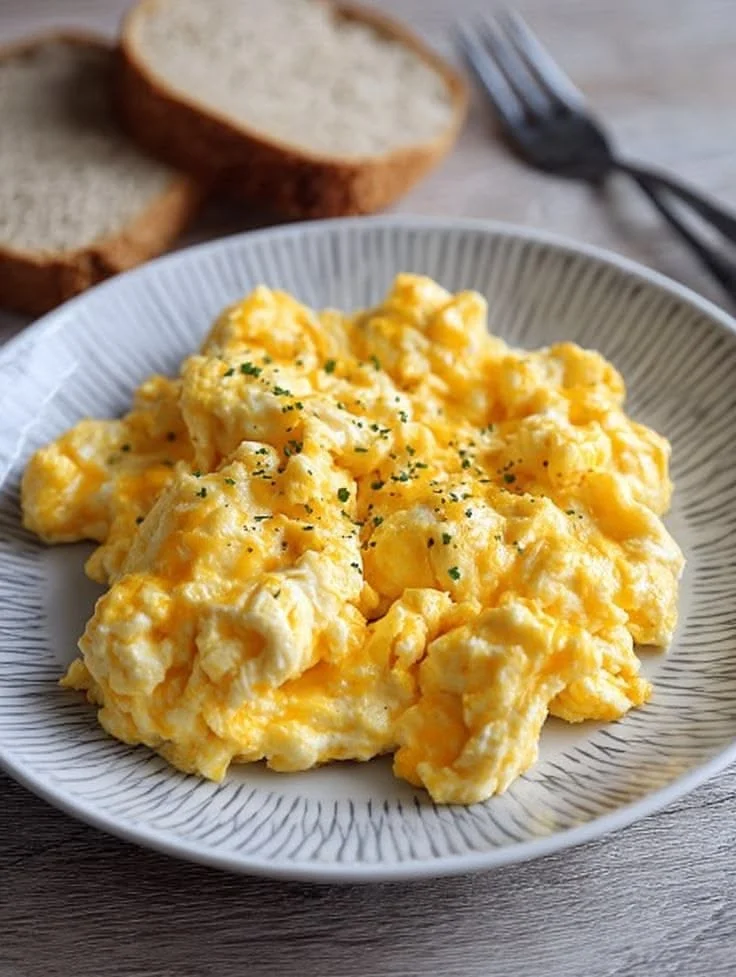
Ina Garten Scrambled Eggs
Ina Garten scrambled eggs are slow-cooked with butter and half-and-half for a creamy, custardy breakfast that's ready in 10 minutes.
🧂 Ingredients
- 12 large eggs
- 3 tablespoons unsalted butter
- 1/3 cup half-and-half
- 1/2 teaspoon kosher salt
- 1/4 teaspoon freshly ground black pepper
- 2 tablespoons finely chopped fresh chives
- 6 slices good white sandwich bread, toasted
📋 Instructions
- 1Whisk the eggs — Crack the 12 eggs into a large bowl and whisk vigorously for 30 seconds until completely uniform in color with no streaks of white. Whisk in the salt and pepper.
- 2Heat the pan gently — Melt 2 tablespoons of butter in a 12-inch nonstick skillet over medium-low heat (about 300°F/150°C) until it foams but does not brown, about 2 minutes. If it starts to sizzle loudly, lower the heat.
- 3Add the eggs — Pour the eggs into the pan and let them sit undisturbed for 20 seconds, then begin stirring slowly with a silicone spatula, scraping the bottom and folding the set curds over the raw eggs.
- 4Stir low and slow — Continue stirring constantly over medium-low heat (about 300°F/150°C) for 6 to 8 minutes, until small, soft curds form and the eggs look glossy but still slightly wet. The eggs should never bubble aggressively or brown.
- 5Add the half-and-half — When the eggs are about 80 percent set, pour in the half-and-half and stir gently for 30 seconds. The eggs will loosen into a creamy, custardy texture; remove the pan from the heat while they still look a touch wet.
- 6Finish with butter — Stir in the remaining 1 tablespoon of cold butter until melted, then fold in the chives. Taste and adjust salt and pepper.
- 7Serve immediately — Spoon the eggs onto toasted bread or a warm platter and serve right away; scrambled eggs dry out quickly as they sit.