Cozy Cravings Recipes
Honey Garlic Chicken Bites – 30-Minute Crispy Dinner
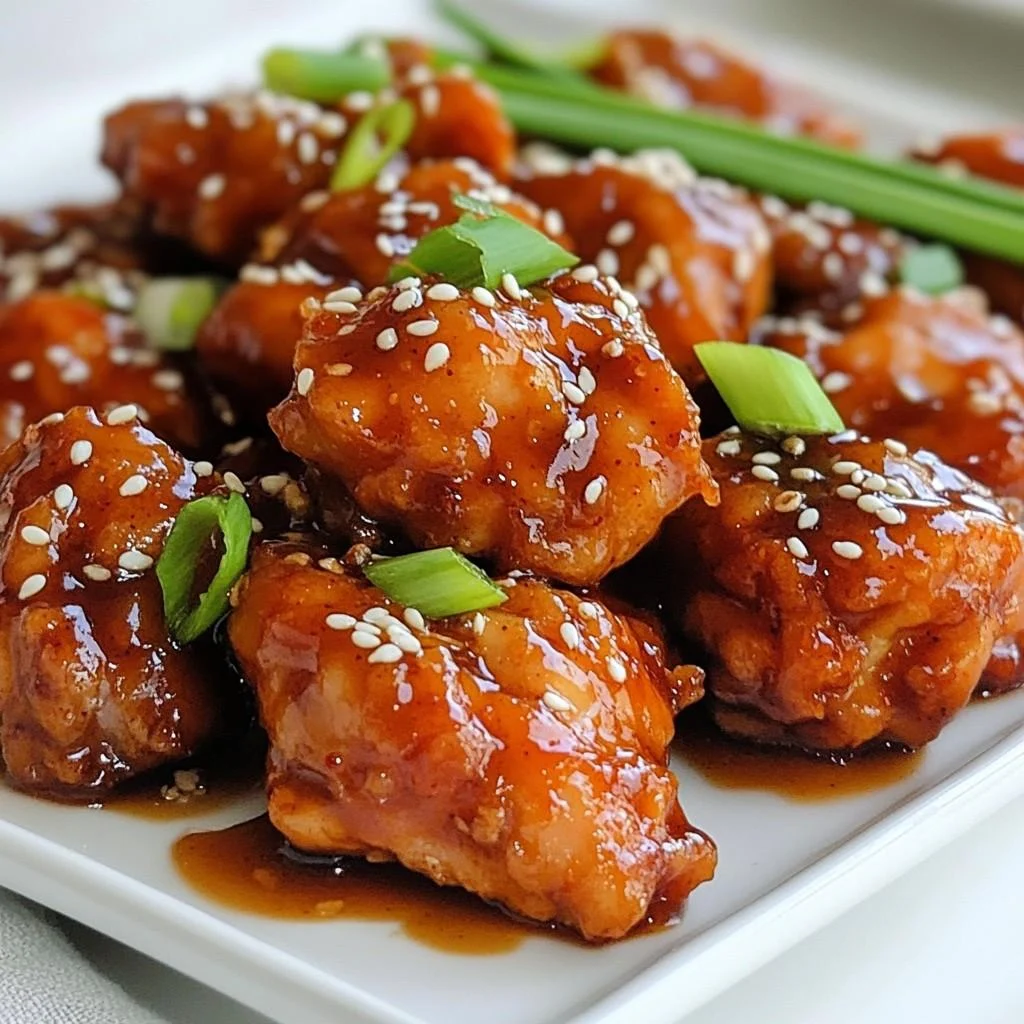
These honey garlic chicken bites are the answer to the 6 p.m. question every household knows. Boneless chicken thighs get seared hard in a hot skillet until the edges are deeply golden and crisp, then they're tossed in a glossy sauce of honey, garlic, soy sauce, and a splash of vinegar that thickens into a sticky coating right in the pan.
The trick is not crowding the skillet. Chicken releases moisture as it cooks, and if the pieces are touching each other they steam instead of browning. Work in two batches, give each batch a full undisturbed sear, and you'll get that caramelized crust that makes these bites taste like they came out of a takeout kitchen.
Serve them over rice with steamed broccoli, pile them into lettuce cups, or spear them with toothpicks for a party platter. The whole thing comes together in one skillet with pantry ingredients, and the sauce clings to every piece thanks to a quick cornstarch slurry.
Why You'll Love This Recipe
About the Ingredients
2 lb (900g) boneless, skinless chicken thighs, cut into 1-inch cubes
Thighs stay juicier than breasts in a high-heat sear. If using chicken breast, cut the pieces slightly larger and reduce the sear to 2 minutes per side so they don't dry out.
1 1/2 tsp kosher salt
Kosher salt crystals are larger and season more evenly than table salt. If using fine table salt, drop to 1 tsp so the bites don't taste over-salted once the soy sauce goes in.
1/2 tsp freshly ground black pepper
Fresh-cracked pepper blooms in the hot pan far better than pre-ground. A peppercorn grinder is worth the counter space here.
2 tbsp cornstarch
Cornstarch is what creates the light crust and thickens the glaze. Potato starch or arrowroot powder works as a 1:1 substitute if you're corn-free.
2 tbsp olive oil, divided
Use a neutral oil with a high smoke point like avocado or canola if your olive oil is extra-virgin, which can smoke at searing heat. Regular olive oil is fine.
5 cloves garlic, finely minced (about 1 1/2 tbsp)
Fresh garlic is non-negotiable for the flavor backbone. Jarred minced garlic is a decent shortcut but tastes flatter, so add an extra half clove if you use it.
1/3 cup (80ml) honey
Clover honey is mild and lets the garlic shine; buckwheat honey is too strong here. Maple syrup works as a 1:1 swap for a vegan version.
3 tbsp low-sodium soy sauce
Low-sodium keeps the glaze from getting too salty after reduction. Tamari is a great gluten-free substitute with nearly identical flavor.
1 tbsp rice vinegar
The acid cuts through the honey's sweetness. Apple cider vinegar or fresh lime juice can stand in at the same amount.
1 tsp toasted sesame oil
Adds a nutty finish that makes the glaze taste layered. Toasted is essential; regular sesame oil is nearly flavorless.
2 tsp cornstarch whisked with 2 tbsp cold water (slurry)
Cold water keeps the slurry smooth so it doesn't clump when it hits the hot sauce. Mix it right before adding, not ahead.
2 scallions, thinly sliced, plus 1 tsp toasted sesame seeds, for garnish
Scallions add freshness and color; chives or thinly sliced shallot work too. Toast sesame seeds in a dry pan for 60 seconds to wake up their flavor.
Tips & Tricks
Don't Crowd the Pan
Cook the chicken in two batches so the pieces have space to brown instead of steam. A crowded skillet drops in temperature and leaves you with pale, rubbery bites.
Pat the Chicken Very Dry
Moisture on the surface of the chicken prevents browning. Blot the cubes thoroughly with paper towels before tossing them in cornstarch.
Pull the Garlic Off the Heat
Garlic goes from fragrant to bitter in seconds. Add it after the pan is off the burner and let the residual heat soften it.
- Thicken the Glaze Before the Chicken Goes Back In: Simmer the sauce until it coats the back of a spoon, then return the chicken. Adding chicken first dilutes the glaze and it never gets sticky.
Pro Tips
Step-by-Step Instructions
1. Cube and Dry the Chicken
Cut the thighs into even 1-inch cubes, trimming any large fat pockets, then pat them completely dry with paper towels. Even pieces cook at the same rate, and dry surfaces are what allow browning.
2. Toss with Cornstarch
In a large bowl, toss the chicken with the salt, pepper, and 2 tablespoons cornstarch until every piece has a thin, even coating. The cornstarch will look chalky now but turns into a crisp shell in the pan.
3. Mix the Honey Garlic Sauce
Whisk the honey, soy sauce, rice vinegar, and sesame oil in a small bowl and set aside. Keep the cornstarch slurry separate and mix it just before it goes into the pan.
4. Sear the First Batch
Heat 1 tablespoon olive oil in a 12-inch skillet over medium-high heat until it shimmers, about 375°F (190°C). Add half the chicken in a single layer and sear undisturbed for 2 to 3 minutes per side, until deeply golden brown and the internal temperature reads 165°F (74°C). Transfer to a plate.
5. Sear the Second Batch
Add the remaining oil and the rest of the chicken, searing the same way for 2 to 3 minutes per side until golden and cooked through. Move all the chicken to the plate and pour off any excess fat, leaving about 1 teaspoon in the pan.
6. Bloom the Garlic
Reduce the heat to medium-low, add the minced garlic to the skillet, and stir constantly for 30 to 45 seconds until it smells nutty and fragrant but hasn't browned. Browned garlic turns bitter, so pull it early.
7. Simmer the Glaze
Pour in the honey-soy mixture and bring it to a gentle bubble over medium heat. Stir in the cornstarch slurry and simmer for 1 to 2 minutes, until the sauce thickens enough to coat the back of a spoon and looks glossy.
8. Coat and Finish
Return all the chicken and any juices to the skillet and toss for 60 to 90 seconds over medium heat until every piece is coated in sticky glaze. The sauce should cling and bubble at the edges of the pan.
9. Garnish and Serve
Scatter the sliced scallions and toasted sesame seeds over the top and serve immediately over rice, noodles, or steamed vegetables while the glaze is still glossy.
Delicious Variations
Spicy Honey Garlic
Add 1 to 2 teaspoons of sriracha or chili crisp to the sauce for a sweet-heat version that's excellent over rice bowls.
Air Fryer Version
Toss the cornstarch-coated chicken with 1 tablespoon oil and air fry at 400°F (200°C) for 12 to 14 minutes, shaking halfway, then toss with the stovetop-simmered glaze.
Honey Garlic Chicken Bowls
Serve the bites over jasmine rice with quick-pickled cucumber and shredded carrot for a build-your-own takeout-style bowl.
How to Store Honey Garlic Chicken Bites
Refrigerator
Store leftovers in an airtight container in the refrigerator for up to 4 days. Keep the chicken and any extra sauce together so it stays moist.
Freezer
Freeze the cooled chicken bites in a freezer-safe bag for up to 3 months, pressing out excess air. Thaw overnight in the refrigerator before reheating.
Reheating
Reheat in a skillet over medium-low heat with a splash of water for 3 to 4 minutes, or microwave covered in 30-second bursts. Avoid high heat, which toughens the chicken and burns the honey.
Frequently Asked Questions
Q: Can I use chicken breast instead of thighs?
Yes, boneless skinless chicken breast works, but cut the pieces slightly larger and sear them for only 2 minutes per side so they don't dry out. Breast meat has less fat, so watch the internal temperature and pull it at 165°F (74°C).
Q: Why did my honey garlic sauce turn out thin?
The sauce was likely not simmered long enough or the cornstarch slurry wasn't mixed in properly. Simmer it for a full 1 to 2 minutes until it coats a spoon, and always whisk cold water into the cornstarch right before adding it.
Q: How do I keep the garlic from burning?
Add the garlic after the chicken is seared and the heat is turned down to medium-low, and stir it for only 30 to 45 seconds. Burnt garlic is the most common reason this dish tastes bitter.
Q: Is honey garlic chicken spicy?
No, this version is sweet and savory with no heat at all, which is why kids tend to love it. If you want spice, add sriracha or chili flakes to the sauce.
Q: Can I make honey garlic chicken bites ahead of time?
You can sear the chicken and mix the sauce up to a day ahead, then refrigerate both separately and finish the glaze on the stove in about 5 minutes. Reheating the fully glazed dish works too, but the crust softens.
If you make these honey garlic chicken bites, snap a photo and let me know how they turned out in the comments. Try them over rice with a side of broccoli and tag me in your dinner posts.
Honey Garlic Chicken Bites
Honey Garlic Chicken Bites are sticky, golden, pan-seared cubes of chicken in a 5-ingredient glaze that gets dinner on the table in about 30 minutes.
🧂 Ingredients
- 2 lb (900g) boneless, skinless chicken thighs, cut into 1-inch cubes
- 1 1/2 tsp kosher salt
- 1/2 tsp freshly ground black pepper
- 2 tbsp cornstarch
- 2 tbsp olive oil, divided
- 5 cloves garlic, finely minced (about 1 1/2 tbsp)
- 1/3 cup (80ml) honey
- 3 tbsp low-sodium soy sauce
- 1 tbsp rice vinegar
- 1 tsp toasted sesame oil
- 2 tsp cornstarch whisked with 2 tbsp cold water (slurry)
- 2 scallions, thinly sliced, plus 1 tsp toasted sesame seeds, for garnish
📋 Instructions
- 1Cube and Dry the Chicken — Cut the thighs into even 1-inch cubes, trimming any large fat pockets, then pat them completely dry with paper towels. Even pieces cook at the same rate, and dry surfaces are what allow browning.
- 2Toss with Cornstarch — In a large bowl, toss the chicken with the salt, pepper, and 2 tablespoons cornstarch until every piece has a thin, even coating. The cornstarch will look chalky now but turns into a crisp shell in the pan.
- 3Mix the Honey Garlic Sauce — Whisk the honey, soy sauce, rice vinegar, and sesame oil in a small bowl and set aside. Keep the cornstarch slurry separate and mix it just before it goes into the pan.
- 4Sear the First Batch — Heat 1 tablespoon olive oil in a 12-inch skillet over medium-high heat until it shimmers, about 375°F (190°C). Add half the chicken in a single layer and sear undisturbed for 2 to 3 minutes per side, until deeply golden brown and the internal temperature reads 165°F (74°C). Transfer to a plate.
- 5Sear the Second Batch — Add the remaining oil and the rest of the chicken, searing the same way for 2 to 3 minutes per side until golden and cooked through. Move all the chicken to the plate and pour off any excess fat, leaving about 1 teaspoon in the pan.
- 6Bloom the Garlic — Reduce the heat to medium-low, add the minced garlic to the skillet, and stir constantly for 30 to 45 seconds until it smells nutty and fragrant but hasn't browned. Browned garlic turns bitter, so pull it early.
- 7Simmer the Glaze — Pour in the honey-soy mixture and bring it to a gentle bubble over medium heat. Stir in the cornstarch slurry and simmer for 1 to 2 minutes, until the sauce thickens enough to coat the back of a spoon and looks glossy.
- 8Coat and Finish — Return all the chicken and any juices to the skillet and toss for 60 to 90 seconds over medium heat until every piece is coated in sticky glaze. The sauce should cling and bubble at the edges of the pan.
- 9Garnish and Serve — Scatter the sliced scallions and toasted sesame seeds over the top and serve immediately over rice, noodles, or steamed vegetables while the glaze is still glossy.