Cozy Cravings Recipes
Crispy Chicken Tenders – Best 50-Minute Family Favorite
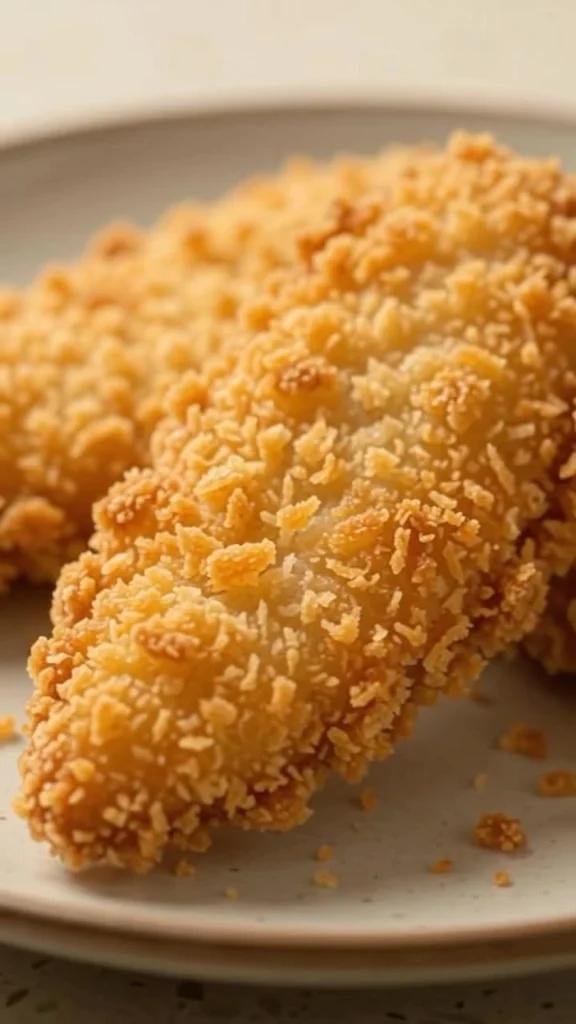
Crispy chicken tenders are the weeknight hero that makes everyone at the table happy. Strips of chicken tenderloin soak in seasoned buttermilk, get a double dip in a craggy flour-and-panko coating, and fry up with a crust that actually stays crunchy from the first bite to the last.
The secret is not a deep fryer. A shallow pan of oil, a reliable thermometer, and a 10-minute rest after breading give you that takeout-style shell without the vat of oil. The buttermilk does double duty, tenderizing the chicken and gluing the coating to every surface.
Make a double batch because these disappear fast. Serve them with honey mustard, ranch, or a squeeze of lemon, and watch the plate clear before you sit down.
Why You'll Love This Recipe
About the Ingredients
2 lbs (900g) chicken tenderloins, about 16 pieces
Tenderloins are already the perfect size; if unavailable, slice boneless skinless breasts into 1-inch strips. Look for pieces of even thickness so they cook at the same rate.
1 1/2 cups (360ml) buttermilk
The acidity tenderizes the chicken and helps the coating adhere. Swap in 1 1/2 cups whole milk mixed with 1 1/2 tablespoons lemon juice and rest 10 minutes.
1 tablespoon hot sauce, such as Frank's
Adds tang without real heat and boosts browning. Use 2 teaspoons apple cider vinegar if you prefer no hot sauce at all.
1 1/2 teaspoons kosher salt, plus more for finishing
Diamond Crystal kosher salt measures differently than table salt; use half the amount if substituting fine table salt.
1 teaspoon smoked paprika
Gives a warm, slightly smoky color to the crust. Sweet paprika works fine, or use 1/2 teaspoon cayenne for a spicy version.
1 teaspoon garlic powder
Granulated garlic blends more evenly than garlic salt. Onion powder makes a good 1-to-1 swap if that is what you have.
1 cup (125g) all-purpose flour
The first dredge creates the nooks that panko clings to. A gluten-free 1-to-1 baking blend substitutes cleanly here.
2 cups (100g) panko breadcrumbs
Japanese panko fries lighter and crunchier than standard breadcrumbs. Crush regular dry breadcrumbs to a coarse texture if panko is unavailable.
2 large eggs
The egg wash is the glue between flour and panko. Two eggs comfortably coat 16 tenders; use three if your eggs are small.
4 cups (960ml) vegetable or canola oil, for shallow frying
Neutral oil with a high smoke point is essential. Peanut oil works beautifully; never use olive oil for this temperature.
Tips & Tricks
Dry the chicken first
Pat the tenderloins completely dry before the buttermilk soak so the brine sticks instead of sliding off.
Keep one hand wet, one dry
Use one hand for the buttermilk and egg and the other for flour and panko to avoid cement fingers.
Rest the breaded tenders 10 minutes
A short rest lets the coating hydrate and set, which prevents it from sliding off in the oil.
Fry in small batches
Crowding drops the oil temperature and produces greasy, pale tenders instead of golden ones.
Pro Tips
Step-by-Step Instructions
1. Brine the chicken
Whisk the buttermilk, hot sauce, 1 teaspoon kosher salt, smoked paprika, and garlic powder in a bowl. Add the tenderloins, toss to coat, cover, and refrigerate at least 20 minutes or up to 4 hours.
2. Set up the dredge
Place the flour in one shallow dish and whisk in the remaining 1/2 teaspoon salt. Beat the eggs in a second dish, and spread the panko in a third.
3. Bread each tender
Lift a tender from the buttermilk, letting excess drip off, and coat in flour, shaking off the excess. Dip back into the egg wash, then press firmly into panko until fully covered. Set on a rack.
4. Rest the coating
Let the breaded tenders sit at room temperature for 10 minutes while you heat the oil. This hydrates the crumbs so the crust stays put.
5. Heat the oil
Pour 1 inch of oil into a heavy 12-inch skillet and heat over medium-high to 350F (175C). A panko crumb should sizzle and bubble immediately when dropped in.
6. Fry the first batch
Fry 4 to 5 tenders at a time for 3 to 4 minutes per side, until deep golden brown and the edges are bubbling steadily. Keep the oil between 340F and 355F (170C and 180C).
7. Check doneness
Transfer to a wire rack and verify the thickest tender reads 165F (74C) on an instant-read thermometer. If short, return to the oil for 1 more minute.
8. Season and serve
Sprinkle hot tenders with kosher salt and serve immediately with honey mustard, ranch, or a lemon wedge.
Delicious Variations
Air Fryer Version
Spray breaded tenders with oil and air fry at 400F (200C) for 10 to 12 minutes, flipping halfway, for 40% less fat.
Parmesan Herb Crust
Swap 1/2 cup of the panko for finely grated Parmesan and add 1 teaspoon dried Italian seasoning to the crumbs.
Nashville Hot Tenders
Brush finished tenders with a cayenne-brown sugar butter sauce for a spicy, glossy finish.
How to Store Crispy Chicken Tenders
Refrigerator
Store cooled tenders in an airtight container in the refrigerator for up to 3 days. Keep them in a single layer if possible so the crust does not get crushed.
Freezer
Freeze breaded, unbaked tenders on a sheet pan for 1 hour, then transfer to a zip-top bag for up to 2 months. Fry from frozen, adding 1 to 2 minutes per side.
Reheating
Reheat in a 375F (190C) oven or air fryer for 6 to 8 minutes until the crust re-crisps. Never microwave them, which turns the coating soggy.
Frequently Asked Questions
Q: Why did my chicken tenders turn out soggy?
Soggy tenders usually mean the oil was below 350F (175C) or the pan was crowded. Fry in small batches, keep the oil between 340F and 355F (170C and 180C), and drain on a wire rack instead of paper towels.
Q: Can I make crispy chicken tenders in the oven?
Yes, bake them on an oiled wire rack at 425F (220C) for about 18 to 20 minutes, flipping once. Spray the breaded tenders generously with cooking spray first to help the panko brown.
Q: How do I know when chicken tenders are fully cooked?
The thickest part of the tender should read 165F (74C) on an instant-read thermometer. They should also feel firm to the touch and show no pink at the center.
Q: Can I use chicken breasts instead of tenderloins?
Absolutely, slice boneless skinless breasts into 1-inch by 4-inch strips and pound them to an even 1/2-inch thickness. Cooking time stays nearly identical because the strips are the same size as tenderloins.
Q: What is the best oil for frying chicken tenders?
Use a neutral oil with a high smoke point, such as canola, vegetable, or peanut oil. These hold up to 350F (175C) without smoking or leaving an off flavor.
Grab your buttermilk and panko and make these crispy chicken tenders tonight. Snap a photo of that golden crust and let me know in the comments which dipping sauce won at your table.
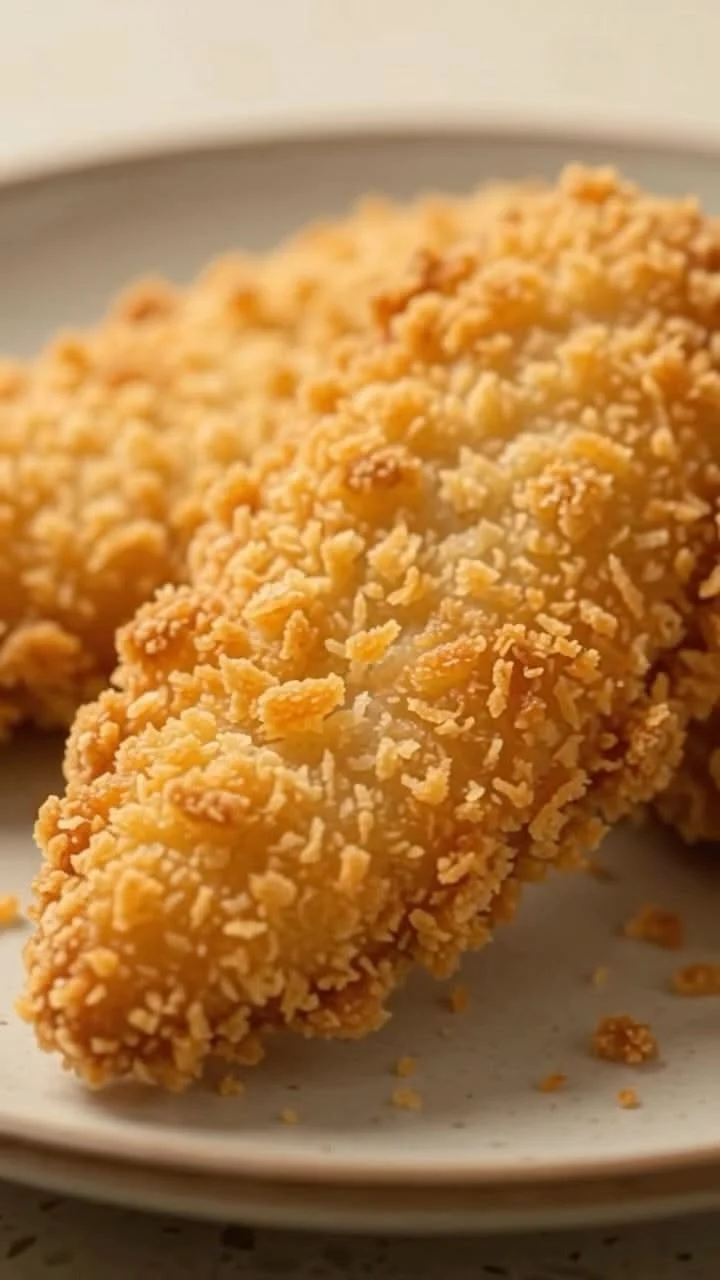
Crispy Chicken Tenders
Crispy Chicken Tenders deliver a shatteringly crunchy golden crust and juicy buttermilk-soaked chicken in every bite, ready in about 50 minutes.
🧂 Ingredients
- 2 lbs (900g) chicken tenderloins, about 16 pieces
- 1 1/2 cups (360ml) buttermilk
- 1 tablespoon hot sauce, such as Frank's
- 1 1/2 teaspoons kosher salt, plus more for finishing
- 1 teaspoon smoked paprika
- 1 teaspoon garlic powder
- 1 cup (125g) all-purpose flour
- 2 cups (100g) panko breadcrumbs
- 2 large eggs
- 4 cups (960ml) vegetable or canola oil, for shallow frying
📋 Instructions
- 1Brine the chicken — Whisk the buttermilk, hot sauce, 1 teaspoon kosher salt, smoked paprika, and garlic powder in a bowl. Add the tenderloins, toss to coat, cover, and refrigerate at least 20 minutes or up to 4 hours.
- 2Set up the dredge — Place the flour in one shallow dish and whisk in the remaining 1/2 teaspoon salt. Beat the eggs in a second dish, and spread the panko in a third.
- 3Bread each tender — Lift a tender from the buttermilk, letting excess drip off, and coat in flour, shaking off the excess. Dip back into the egg wash, then press firmly into panko until fully covered. Set on a rack.
- 4Rest the coating — Let the breaded tenders sit at room temperature for 10 minutes while you heat the oil. This hydrates the crumbs so the crust stays put.
- 5Heat the oil — Pour 1 inch of oil into a heavy 12-inch skillet and heat over medium-high to 350F (175C). A panko crumb should sizzle and bubble immediately when dropped in.
- 6Fry the first batch — Fry 4 to 5 tenders at a time for 3 to 4 minutes per side, until deep golden brown and the edges are bubbling steadily. Keep the oil between 340F and 355F (170C and 180C).
- 7Check doneness — Transfer to a wire rack and verify the thickest tender reads 165F (74C) on an instant-read thermometer. If short, return to the oil for 1 more minute.
- 8Season and serve — Sprinkle hot tenders with kosher salt and serve immediately with honey mustard, ranch, or a lemon wedge.