

Creamy Pasta is the dish I make when the fridge looks empty and dinner still needs to feel like a treat. The sauce comes together from butter, garlic, a splash of the starchy pasta water, and a generous handful of Parmesan, so it clings to every strand without a drop of heavy cream.
Advertisements1
The trick is timing: the sauce is built in the same pot while the pasta boils, and the pasta water does the heavy lifting. That starchy water emulsifies with the butter and cheese to create a glossy, velvety coating that stays loose enough to twirl and thick enough to coat a spoon.
This recipe is deliberately simple, but the details matter. Freshly grated Parmesan melts smoothly, reserved pasta water keeps the sauce from breaking, and a final toss off the heat keeps the cheese from clumping. Serve it plain or dress it up with the variations below.
Why You'll Love This Recipe
About the Ingredients
12 oz (340g) dried spaghetti or fettuccine
Long pasta twirls best with this creamy sauce. Rigatoni works if you prefer tubes, but add 2 extra minutes to the boil time since thicker shapes need longer to cook.
4 tbsp (56g) unsalted butter
Butter gives the sauce its silky base. Swap in 3 tbsp olive oil plus 1 tbsp butter if you want a lighter, more savory finish.
4 garlic cloves, finely minced
Fresh garlic is essential here; jarred garlic tastes flat and burns faster. Look for firm, heavy cloves with tight papery skins and no green sprouts.
1 1/2 cups (150g) freshly grated Parmesan or Pecorino Romano
Grate it yourself on a microplane; pre-shredded cheese is coated with starch and clumps. Pecorino Romano gives a sharper, saltier sauce, so reduce added salt.
1 cup (240ml) reserved pasta water, plus more as needed
Reserve this before draining; the starch is what thickens and emulsifies the sauce. If you forget, a splash of warm water mixed with 1/4 tsp cornstarch works in a pinch.
1/2 tsp fine sea salt, plus more for the pasta water
Season the water generously, like the sea, so the pasta flavors from the inside out. Kosher salt works too; use about 1 tbsp for the pot.
1/4 tsp freshly cracked black pepper
Fresh-cracked pepper blooms in the warm butter and adds gentle heat. Use a coarse grind for texture rather than fine dust.
1/4 cup (25g) grated Parmesan, for serving
An extra shower at the table adds a fresh, salty finish. If you have it, a little torn fresh basil or parsley brightens the plate.
Tips & Tricks
Reserve pasta water before draining
Scoop out 1 cup of starchy water before you drain the pasta, because the sauce needs it to emulsify and loosen. Without it, the butter and cheese can turn greasy and separate.
Grate the cheese finely
Use a microplane or the small holes of a box grater so the Parmesan melts smoothly instead of clumping into strings. Add it off the heat in small handfuls while tossing.
Toss off the heat
Once the pasta and sauce are combined, remove the pan from the burner before adding the cheese. Residual heat melts the cheese gently and prevents it from seizing into a grainy sauce.
Keep the sauce loose
Add pasta water a splash at a time and toss continuously; the sauce should coat the pasta like thin cream. It will thicken as it sits, so serve immediately.
Pro Tips
Step-by-Step Instructions
1. Boil the pasta
Bring 4 quarts (3.8L) of water to a rolling boil at 212°F (100°C), add 1 tbsp salt, and cook the pasta 1 minute less than the package directions, about 9 to 10 minutes for spaghetti. The pasta should be just shy of al dente, with a firm bite at the center, because it will finish cooking in the sauce.
2. Reserve the pasta water
Before draining, scoop out 1 cup (240ml) of the starchy cooking water and set it aside. Drain the pasta in a colander but do not rinse it; the surface starch helps the sauce cling.
3. Melt the butter
In a large skillet over medium heat, melt the butter until it foams and smells nutty, about 2 minutes, at roughly 300°F (150°C). Watch closely so it does not brown past a light golden color.
4. Bloom the garlic
Add the minced garlic and 1/4 tsp black pepper and cook, stirring constantly, for 30 to 45 seconds until fragrant and just turning pale gold. Do not let the garlic brown, or it will taste bitter.
5. Build the sauce
Pour in 1/2 cup (120ml) of the reserved pasta water and simmer for 1 minute at a gentle bubble, about 200°F (93°C), until the liquid looks slightly glossy. This starts the emulsion that makes the sauce creamy.
6. Toss the pasta
Add the drained pasta to the skillet and toss with tongs for 1 to 2 minutes until every strand is coated and the sauce looks silky. Add more pasta water a splash at a time if it looks dry.
7. Melt in the cheese
Remove the pan from the heat and sprinkle in the grated Parmesan in three additions, tossing constantly after each until melted and creamy. The sauce should coat the back of a spoon and look glossy, not grainy.
8. Season and serve
Taste and adjust with salt and pepper, then twirl into warm bowls and top with the extra Parmesan. Serve immediately, while the sauce is still loose and glossy.
Delicious Variations
Garlic Mushroom Creamy Pasta
Sauté 8 oz sliced cremini mushrooms in the butter until golden brown, about 6 minutes, before adding the garlic for an earthy, meaty version.
Spicy Tomato Creamy Pasta
Stir 2 tbsp tomato paste and 1/2 tsp red pepper flakes into the garlic and cook 1 minute until brick red, then proceed with the pasta water and cheese for a pink, tangy sauce.
Lemon Herb Creamy Pasta
Add the zest of 1 lemon and 2 tbsp chopped fresh parsley or basil off the heat for a bright, summery twist that cuts the richness.
How to Store Creamy Pasta
Refrigerator
Store leftovers in an airtight container in the refrigerator for up to 3 days. Press plastic wrap directly onto the surface to keep the pasta from drying out.
Freezer
Freezing is not recommended because the dairy sauce separates and the pasta turns mushy. If you must, freeze in a single layer for up to 1 month and expect a softer texture.
Reheating
Reheat gently in a skillet over medium-low heat with a splash of water or milk, tossing until loosened and glossy, about 3 to 4 minutes. Avoid the microwave, which can make the sauce rubbery.
Frequently Asked Questions
Q: Can I make creamy pasta without heavy cream?
Yes, this recipe makes a creamy sauce with no cream at all, using butter, Parmesan, and starchy pasta water. The starch and fat emulsify into a glossy sauce that coats the pasta just like cream-based versions.
Q: Why did my creamy pasta sauce turn grainy?
The sauce turns grainy when the cheese is added over high heat or too quickly, causing the proteins to seize. Remove the pan from the burner before adding the Parmesan and stir it in one handful at a time.
Q: How much pasta water should I add to creamy pasta?
Start with about 1/2 cup (120ml) of reserved pasta water and add more a splash at a time until the sauce coats the pasta like thin cream. You may not use the full cup, so add gradually rather than all at once.
Q: What pasta shape is best for creamy pasta?
Long, flat pasta like fettuccine or spaghetti is classic because the strands hold the sauce and twirl beautifully. Rigatoni and penne also work well since their ridges and hollows trap the creamy sauce.
Q: Can I add chicken or shrimp to creamy pasta?
Yes, sear sliced chicken breast or shrimp in the skillet first, then set them aside and stir them back in at the end. Cook chicken to an internal temperature of 165°F (74°C) and shrimp until opaque and pink, about 2 to 3 minutes per side.
Give this creamy pasta a try tonight and see how a handful of pantry staples turns into a restaurant-worthy dinner in about half an hour. If you make it, leave a rating and a comment below to let me know how it turned out, and share your favorite variation.
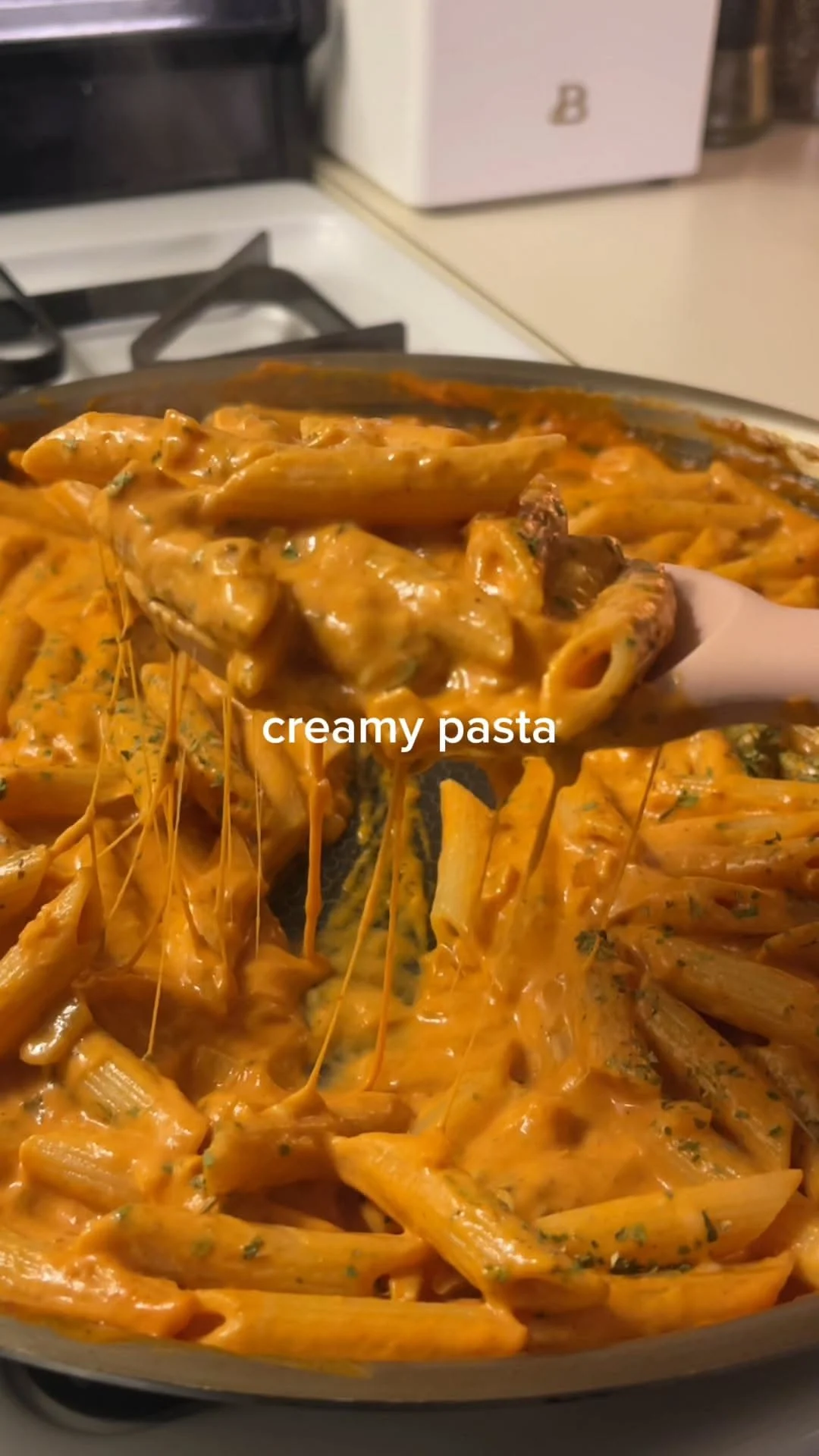
Creamy Pasta
Creamy Pasta delivers silky garlic-Parmesan sauce in 30 minutes with no cream, just pasta water and butter for a rich, glossy weeknight dinner.
🧂 Ingredients
- 12 oz (340g) dried spaghetti or fettuccine
- 4 tbsp (56g) unsalted butter
- 4 garlic cloves, finely minced
- 1 1/2 cups (150g) freshly grated Parmesan or Pecorino Romano
- 1 cup (240ml) reserved pasta water, plus more as needed
- 1/2 tsp fine sea salt, plus more for the pasta water
- 1/4 tsp freshly cracked black pepper
- 1/4 cup (25g) grated Parmesan, for serving
📋 Instructions
- 1Boil the pasta — Bring 4 quarts (3.8L) of water to a rolling boil at 212°F (100°C), add 1 tbsp salt, and cook the pasta 1 minute less than the package directions, about 9 to 10 minutes for spaghetti. The pasta should be just shy of al dente, with a firm bite at the center, because it will finish cooking in the sauce.
- 2Reserve the pasta water — Before draining, scoop out 1 cup (240ml) of the starchy cooking water and set it aside. Drain the pasta in a colander but do not rinse it; the surface starch helps the sauce cling.
- 3Melt the butter — In a large skillet over medium heat, melt the butter until it foams and smells nutty, about 2 minutes, at roughly 300°F (150°C). Watch closely so it does not brown past a light golden color.
- 4Bloom the garlic — Add the minced garlic and 1/4 tsp black pepper and cook, stirring constantly, for 30 to 45 seconds until fragrant and just turning pale gold. Do not let the garlic brown, or it will taste bitter.
- 5Build the sauce — Pour in 1/2 cup (120ml) of the reserved pasta water and simmer for 1 minute at a gentle bubble, about 200°F (93°C), until the liquid looks slightly glossy. This starts the emulsion that makes the sauce creamy.
- 6Toss the pasta — Add the drained pasta to the skillet and toss with tongs for 1 to 2 minutes until every strand is coated and the sauce looks silky. Add more pasta water a splash at a time if it looks dry.
- 7Melt in the cheese — Remove the pan from the heat and sprinkle in the grated Parmesan in three additions, tossing constantly after each until melted and creamy. The sauce should coat the back of a spoon and look glossy, not grainy.
- 8Season and serve — Taste and adjust with salt and pepper, then twirl into warm bowls and top with the extra Parmesan. Serve immediately, while the sauce is still loose and glossy.