Cozy Cravings Recipes
Chicken Pesto Pasta Rezept – Creamy 30-Minute Dinner
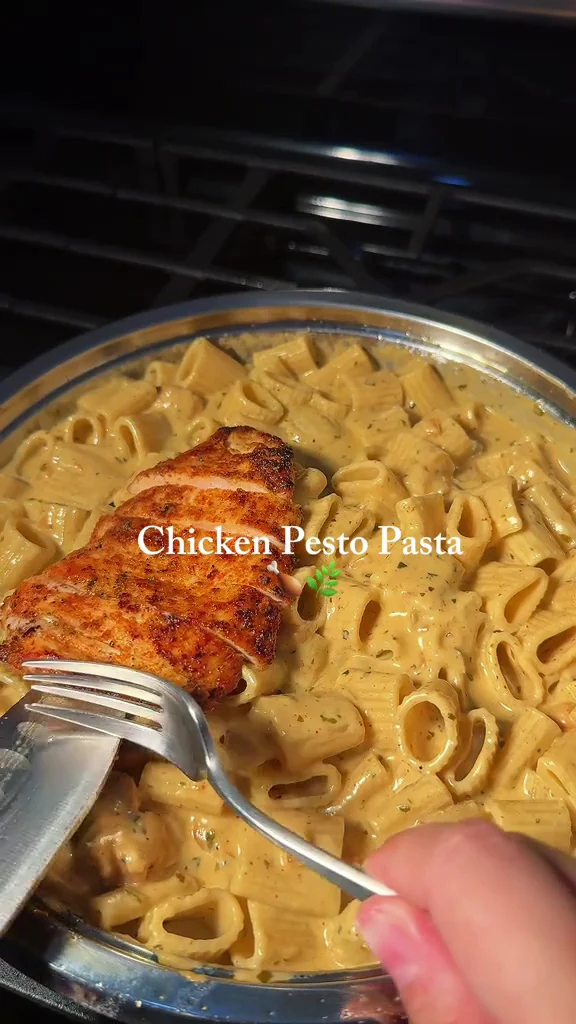
Chicken Pesto Pasta is the kind of dinner that tastes like you spent an hour at the stove but actually comes together in one skillet with a handful of pantry staples. Golden-seared chicken thighs meet silky basil pesto cream sauce and perfectly al dente pasta for a bowl that is bright, savory, and deeply comforting.
The trick is building flavor in layers: sear the chicken first, bloom the garlic and pesto in the same pan, then loosen everything with a splash of pasta water so the sauce clings to every noodle. This recipe is written for six generous portions, so it works equally well for a family dinner or meal prep lunches you will actually look forward to.
Whether you are cooking for two with leftovers or feeding a hungry crowd, the timing here is forgiving. Read through once, gather your ingredients, and you will have a restaurant-quality pasta on the table faster than delivery.
Why You'll Love This Recipe
About the Ingredients
1.5 lb (680 g) boneless, skinless chicken thighs
Thighs stay juicy under high heat; if you only have chicken breast, slice it thinner and pull it off the heat at 160°F (71°C) to avoid drying out. Look for thighs with even thickness so they sear uniformly.
12 oz (340 g) penne or rigatoni pasta
Ridged, tubular shapes trap the pesto cream sauce best. No penne on hand? Fusilli or farfalle work just as well; avoid long thin pasta like spaghetti here.
2 tbsp olive oil
Use regular (not extra-virgin) olive oil for the sear since it handles higher heat. Avocado oil is a great neutral substitute if you prefer a higher smoke point.
3 garlic cloves, minced
Fresh garlic makes a real difference; the jarred stuff tastes flat. If you are out, use 1 tsp garlic powder added with the pesto instead of blooming it in oil.
3/4 cup (180 g) basil pesto
Refrigerated fresh pesto beats shelf-stable jars for flavor. Buying tip: check the label for pine nuts or cashews near the top of the ingredient list for the freshest taste.
3/4 cup (180 ml) heavy cream
Heavy cream gives the silkiest sauce; half-and-half works but may split slightly. For a lighter version, use 1/2 cup cream plus 1/4 cup reserved pasta water.
1/2 cup (50 g) grated Parmesan cheese
Freshly grated Parmigiano-Reggiano melts smoothly; pre-shredded cheese contains anti-caking agents that can turn grainy. Pecorino Romano is a sharper swap.
1 cup (150 g) cherry tomatoes, halved
Cherry tomatoes add bursts of sweetness and acidity. In winter, substitute 1/2 cup sun-dried tomatoes packed in oil for a deeper, richer flavor.
1/2 tsp kosher salt, plus more for pasta water
Kosher salt seasons more evenly than table salt. Season the chicken 10 minutes before searing so it penetrates rather than sitting on the surface.
1/4 tsp freshly ground black pepper
Fresh-cracked pepper blooms aroma when it hits the hot pan. Add a pinch more at the end if you like a little heat.
2 tbsp fresh basil leaves, torn, for garnish
Torn basil releases more aroma than chopped. If basil is unavailable, a pinch of fresh parsley or a few microgreens will still brighten the plate.
Tips & Tricks
Do not skip reserving pasta water
the starchy water is what turns pesto and cream into a glossy sauce that clings to the noodles instead of pooling at the bottom.
Add the pesto off the heat
boiling pesto dulls its fresh basil flavor, so stir it in once the pan is off the burner or at the lowest heat.
Watch the cream
keep it at a gentle simmer, never a rolling boil, or the fat can separate and leave the sauce looking curdled.
Season in stages
salt the pasta water generously, season the chicken before searing, and taste the sauce before adding more cheese at the end.
Pro Tips
Step-by-Step Instructions
1. Boil the pasta
Bring a large pot of generously salted water to a rolling boil and cook the penne for 1 minute less than the package directions, about 9 minutes, until al dente with a slight bite at the center. Reserve 1 cup of pasta water, then drain.
2. Season the chicken
Pat the chicken thighs dry and season both sides with the kosher salt and black pepper. Let them sit for 10 minutes at room temperature so the seasoning absorbs and the meat cooks evenly.
3. Sear the chicken
Heat the olive oil in a large skillet over medium-high heat until it shimmers, about 350°F (175°C). Add the chicken and sear undisturbed for 5 to 6 minutes per side until deeply golden brown and the internal temperature reaches 165°F (74°C), then transfer to a plate.
4. Bloom the garlic
Lower the heat to medium and add the minced garlic to the same pan, stirring for 30 seconds until fragrant but not browned. Add the cherry tomatoes and cook for 3 to 4 minutes until they just begin to blister and soften.
5. Build the sauce
Pour in the heavy cream and bring to a gentle simmer, scraping up the browned bits from the bottom of the pan. Simmer for 2 to 3 minutes until the sauce thickens enough to coat the back of a spoon, with small bubbles at the edges.
6. Melt in the pesto
Reduce the heat to low and stir in the pesto and Parmesan until the sauce is smooth, glossy, and evenly green, about 1 minute. If it looks tight, add reserved pasta water 1 tablespoon at a time.
7. Toss the pasta
Add the drained pasta to the skillet and toss for 1 to 2 minutes until every noodle is coated and the sauce clings rather than pools. Slice the rested chicken and fold it back in with any juices from the plate.
8. Garnish and serve
Taste and adjust salt and pepper, then scatter the torn basil over the top. Serve immediately in warm bowls with extra Parmesan on the side.
Delicious Variations
Sun-Dried Tomato Pesto
Swap the cherry tomatoes for 1/2 cup oil-packed sun-dried tomatoes and add a pinch of red pepper flakes for a punchier, deeper sauce.
Creamy Pesto Gnocchi
Replace the pasta with 1 lb (450 g) potato gnocchi boiled for 2 minutes and finish the same way for an ultra-cozy twist.
Vegetarian Pesto Primavera
Omit the chicken and add 2 cups of blanched broccoli and 1 sliced zucchini with the tomatoes for a bright, veggie-forward version.
How to Store Perfektes Chicken Pesto Pasta Rezept
Refrigerator
Store leftovers in an airtight container in the refrigerator for up to 3 days. Press a piece of plastic wrap against the surface of the sauce to keep the pesto from oxidizing and browning.
Freezer
Freeze the pasta and sauce together in a freezer-safe container for up to 2 months, leaving 1 inch of headspace. The cream sauce may look slightly separated after thawing but will re-emulsify when reheated.
Reheating
Reheat gently in a covered skillet over medium-low heat with a splash of water or milk, stirring until the sauce loosens and coats the pasta again, about 4 to 5 minutes. Avoid the microwave at full power, which can toughen the chicken.
Frequently Asked Questions
Q: Can I use store-bought pesto for this chicken pesto pasta?
Yes, store-bought pesto works perfectly and saves time, though refrigerated fresh pesto tastes noticeably brighter than shelf-stable jars. If using a jarred version, taste the sauce before adding extra salt, since jarred pesto is often saltier than homemade.
Q: How do I keep pesto pasta from drying out?
Always reserve at least 1 cup of starchy pasta water and add it to the sauce a splash at a time until the pasta is glossy and slippery. The starch helps the sauce cling to the noodles instead of absorbing into them and leaving the dish dry.
Q: Can I make chicken pesto pasta ahead of time?
You can make it up to 1 day ahead and reheat gently on the stovetop with a splash of milk or water to loosen the sauce. For the best texture, cook the pasta slightly underdone so it does not turn mushy when reheated.
Q: Is chicken pesto pasta healthy?
It is a balanced meal with lean protein from the chicken, carbs from the pasta, and healthy fats from olive oil and pine nuts, though the cream and cheese make it moderately rich. For a lighter version, use half-and-half instead of heavy cream and up the cherry tomatoes.
Q: What pasta shape goes best with pesto cream sauce?
Ridged, tubular shapes like penne, rigatoni, or fusilli are best because the grooves and hollow centers catch the thick pesto cream sauce. Smooth or long pasta tends to let the sauce slide off, so save spaghetti for looser, oil-based sauces.
Grab your skillet and a jar of good pesto, and this Chicken Pesto Pasta Rezept will be on your table tonight. Cook it once, then tag me in your photos so I can see your gorgeous golden chicken and glossy noodles!
Perfektes Chicken Pesto Pasta Rezept
This Chicken Pesto Pasta Rezept delivers creamy basil pesto chicken and al dente pasta in one pan, ready in about 50 minutes for a weeknight win.
🧂 Ingredients
- 1.5 lb (680 g) boneless, skinless chicken thighs
- 12 oz (340 g) penne or rigatoni pasta
- 2 tbsp olive oil
- 3 garlic cloves, minced
- 3/4 cup (180 g) basil pesto
- 3/4 cup (180 ml) heavy cream
- 1/2 cup (50 g) grated Parmesan cheese
- 1 cup (150 g) cherry tomatoes, halved
- 1/2 tsp kosher salt, plus more for pasta water
- 1/4 tsp freshly ground black pepper
- 2 tbsp fresh basil leaves, torn, for garnish
📋 Instructions
- 1Boil the pasta — Bring a large pot of generously salted water to a rolling boil and cook the penne for 1 minute less than the package directions, about 9 minutes, until al dente with a slight bite at the center. Reserve 1 cup of pasta water, then drain.
- 2Season the chicken — Pat the chicken thighs dry and season both sides with the kosher salt and black pepper. Let them sit for 10 minutes at room temperature so the seasoning absorbs and the meat cooks evenly.
- 3Sear the chicken — Heat the olive oil in a large skillet over medium-high heat until it shimmers, about 350°F (175°C). Add the chicken and sear undisturbed for 5 to 6 minutes per side until deeply golden brown and the internal temperature reaches 165°F (74°C), then transfer to a plate.
- 4Bloom the garlic — Lower the heat to medium and add the minced garlic to the same pan, stirring for 30 seconds until fragrant but not browned. Add the cherry tomatoes and cook for 3 to 4 minutes until they just begin to blister and soften.
- 5Build the sauce — Pour in the heavy cream and bring to a gentle simmer, scraping up the browned bits from the bottom of the pan. Simmer for 2 to 3 minutes until the sauce thickens enough to coat the back of a spoon, with small bubbles at the edges.
- 6Melt in the pesto — Reduce the heat to low and stir in the pesto and Parmesan until the sauce is smooth, glossy, and evenly green, about 1 minute. If it looks tight, add reserved pasta water 1 tablespoon at a time.
- 7Toss the pasta — Add the drained pasta to the skillet and toss for 1 to 2 minutes until every noodle is coated and the sauce clings rather than pools. Slice the rested chicken and fold it back in with any juices from the plate.
- 8Garnish and serve — Taste and adjust salt and pepper, then scatter the torn basil over the top. Serve immediately in warm bowls with extra Parmesan on the side.