Cozy Cravings Recipes
Baked Balsamic Chicken Recipe – Easy 50-Minute One-Pan

Baked balsamic chicken is the weeknight dinner that tastes like you fussed: bone-in chicken thighs seared until the skin crackles, then finished in the oven under a sticky balsamic-honey glaze that reduces into a syrupy pan sauce. The vinegar mellows as it cooks, leaving behind deep sweetness and a tang that cuts right through the rich dark meat.
The trick is a two-stage cook. A hot skillet gives you color and rendered fat, and a moderate oven brings the chicken to temperature gently so the glaze doesn't burn before the meat is done. Everything happens in one oven-safe pan, which means the sauce you spoon over the chicken is built from all those browned bits.
Serve it over mashed potatoes, rice, or a pile of crusty bread to catch the extra glaze, and pair it with something green and sharp, like a lemony arugula salad, to balance the sweetness.
Why You'll Love This Recipe
About the Ingredients
6 bone-in, skin-on chicken thighs (about 2 1/4 lbs / 1 kg total)
Bone-in thighs stay juiciest, but boneless skinless thighs work too; reduce the oven time by 8 to 10 minutes and check at 165F (74C). Look for thighs with intact skin and no tears so it crisps properly.
1/2 cup (120 ml) good-quality balsamic vinegar
Use a supermarket balsamic, not an aged syrupy one, which scorches; if all you have is aged balsamic, cut it with 2 tablespoons red wine vinegar. Cheap balsamic labeled 'modena' works great here.
3 tablespoons honey
Maple syrup is a 1-to-1 swap for a slightly less sweet glaze. Warm the honey briefly if it's crystallized so it mixes evenly.
2 tablespoons Dijon mustard
Whole-grain mustard adds texture and a milder bite; yellow mustard is a last-resort substitute but use only 1 tablespoon since it's sharper.
3 garlic cloves, minced
Fresh garlic is best; 1 teaspoon garlic powder can stand in, but add it with the dry seasonings rather than the wet glaze so it doesn't clump.
2 tablespoons olive oil
Avocado oil has a higher smoke point if your pan runs hot. Don't substitute butter here; it will burn during the sear.
1 1/4 teaspoons kosher salt
Diamond Crystal kosher salt is less dense than Morton; if using table salt, reduce to 3/4 teaspoon. Season the skin side generously.
1/2 teaspoon freshly ground black pepper
Fresh-cracked pepper blooms in the hot pan; pre-ground works but use a little more, about 3/4 teaspoon.
1 teaspoon dried thyme (or 1 tablespoon fresh leaves)
Rosemary or oregano are easy swaps; if using fresh herbs, add half at the start and scatter the rest over the finished chicken.
1 tablespoon cold butter
Swirl in at the end for a glossy sauce; omit for dairy-free or use a teaspoon of olive oil instead.
Tips & Tricks
Dry the Skin Thoroughly
Pat the chicken completely dry with paper towels before seasoning. Any moisture steams instead of sears, and you'll never get that golden, crackly skin.
Watch the Glaze, Not the Clock
Honey and balsamic both scorch fast. If the pan juices start looking black at the edges, tent the chicken loosely with foil and lower the oven to 375F (190C).
Sauce From the Pan
After resting the chicken, spoon the pan juices over it while still warm; the glaze thickens as it sits, so a quick stir with the cold butter keeps it pourable.
Pro Tips
Step-by-Step Instructions
1. Heat the Oven and Pan
Preheat the oven to 400F (200C) and set a 12-inch oven-safe skillet over medium-high heat for 2 minutes. A properly hot pan is what gives the skin its color before the oven ever comes into play.
2. Dry and Season
Pat the chicken thighs very dry, then season all over with the salt, pepper, and thyme, pressing the seasoning into the skin. Let them sit at room temperature for 10 minutes while the pan heats.
3. Sear Skin-Side Down
Add the olive oil to the skillet, then lay the thighs in skin-side down and cook undisturbed for 6 to 7 minutes, until the skin is deeply golden brown and releases easily from the pan. Flip and cook 2 minutes more.
4. Whisk the Glaze
While the chicken sears, whisk the balsamic, honey, Dijon, and garlic in a small bowl until smooth. Taste it; it should be tangy with a clear sweet edge.
5. Coat and Roast
Pour the glaze over and around the chicken, spooning some over each thigh, then transfer the skillet to the oven. Roast for 20 to 25 minutes, until the glaze is bubbling at the edges and an instant-read thermometer in the thickest part reads 175F (79C).
6. Rest the Chicken
Move the thighs to a plate and rest for 5 minutes. The internal temperature will climb a few more degrees and the juices will redistribute so they don't run out when you cut in.
7. Finish the Pan Sauce
Set the skillet over medium heat and simmer the pan juices for 2 minutes, until slightly thickened and glossy. Off the heat, swirl in the cold butter until the sauce coats the back of a spoon.
8. Serve
Spoon the warm balsamic sauce over the chicken and scatter with extra fresh thyme if you have it. Serve right away with something starchy to soak up the glaze.
Delicious Variations
Balsamic Chicken and Vegetables
Toss halved baby potatoes, carrots, and red onion in the glaze in the pan around the chicken during the oven stage; add 10 minutes to the roast time.
Spicy Honey-Balsamic
Add 1/2 teaspoon red pepper flakes and a teaspoon of sriracha to the glaze for a sweet-heat version that's great on rice bowls.
Balsamic Chicken Breasts
Use 4 boneless skinless breasts, pound them to even thickness, sear 4 minutes per side, then roast 12 to 15 minutes to 165F (74C).
How to Store Baked Balsamic Chicken
Refrigerator
Store cooled chicken and sauce in an airtight container for up to 4 days. Keep the sauce separate if you can so the skin doesn't go soggy.
Freezer
Freeze chicken and sauce together for up to 3 months in a freezer-safe container; thaw overnight in the refrigerator before reheating.
Reheating
Reheat covered in a 350F (175C) oven for 12 to 15 minutes, or microwave individual portions for 90 seconds. Add a splash of water or broth to the sauce so it loosens back up.
Frequently Asked Questions
Q: Can I use chicken breasts instead of thighs for balsamic chicken?
Yes, boneless skinless breasts work, but they cook faster and dry out more easily. Sear them 4 minutes per side, then roast 12 to 15 minutes until they reach 165F (74C), and spoon the glaze over after roasting rather than before so the sugar doesn't burn.
Q: Why did my balsamic glaze turn bitter?
The honey and balsamic most likely scorched under high heat or the pan went dry. Keep the oven at 400F (200C) or below, spoon glaze over the chicken rather than pooling it in an empty pan, and tent with foil if the edges start darkening before the meat is done.
Q: How do I know when baked balsamic chicken is done?
Use an instant-read thermometer: thighs should read 175F (79C) and breasts 165F (74C) in the thickest part away from the bone. The juices should run clear and the glaze should be bubbling and sticky at the pan edges.
Q: Can I marinate the chicken in balsamic overnight?
Yes, and it's a great move for flavor, but limit it to 12 hours. Balsamic's acid can start to break down the texture of the meat beyond that, and the honey in the marinade can burn, so pat the chicken dry before searing.
Q: What do you serve with balsamic chicken?
Mashed potatoes, rice pilaf, or crusty bread are ideal because they soak up the pan sauce. For vegetables, roasted broccoli, green beans, or a sharp arugula salad balance the sweet-tangy glaze nicely.
Grab your skillet and a bottle of balsamic, and make this baked balsamic chicken tonight. If you try it, leave a rating and a comment below, and snap a photo of that glossy glaze for the next person who's on the fence.
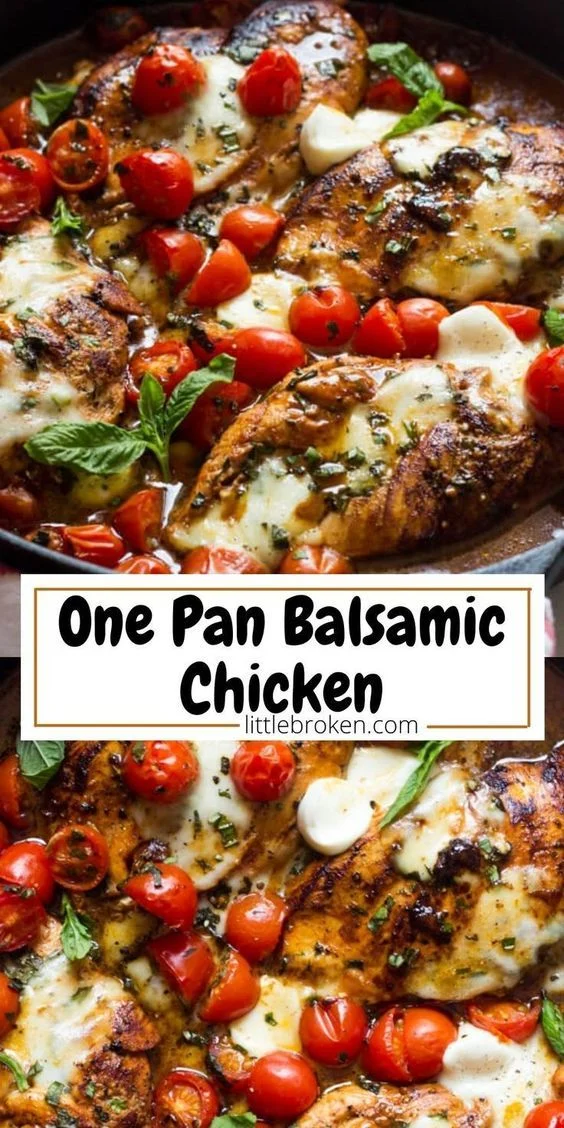
Baked Balsamic Chicken
This Baked Balsamic Chicken recipe delivers juicy thighs in a glossy, tangy-sweet glaze with just 15 minutes of hands-on work and one pan to wash.
🧂 Ingredients
- 6 bone-in, skin-on chicken thighs (about 2 1/4 lbs / 1 kg total)
- 1/2 cup (120 ml) good-quality balsamic vinegar
- 3 tablespoons honey
- 2 tablespoons Dijon mustard
- 3 garlic cloves, minced
- 2 tablespoons olive oil
- 1 1/4 teaspoons kosher salt
- 1/2 teaspoon freshly ground black pepper
- 1 teaspoon dried thyme (or 1 tablespoon fresh leaves)
- 1 tablespoon cold butter
📋 Instructions
- 1Heat the Oven and Pan — Preheat the oven to 400F (200C) and set a 12-inch oven-safe skillet over medium-high heat for 2 minutes. A properly hot pan is what gives the skin its color before the oven ever comes into play.
- 2Dry and Season — Pat the chicken thighs very dry, then season all over with the salt, pepper, and thyme, pressing the seasoning into the skin. Let them sit at room temperature for 10 minutes while the pan heats.
- 3Sear Skin-Side Down — Add the olive oil to the skillet, then lay the thighs in skin-side down and cook undisturbed for 6 to 7 minutes, until the skin is deeply golden brown and releases easily from the pan. Flip and cook 2 minutes more.
- 4Whisk the Glaze — While the chicken sears, whisk the balsamic, honey, Dijon, and garlic in a small bowl until smooth. Taste it; it should be tangy with a clear sweet edge.
- 5Coat and Roast — Pour the glaze over and around the chicken, spooning some over each thigh, then transfer the skillet to the oven. Roast for 20 to 25 minutes, until the glaze is bubbling at the edges and an instant-read thermometer in the thickest part reads 175F (79C).
- 6Rest the Chicken — Move the thighs to a plate and rest for 5 minutes. The internal temperature will climb a few more degrees and the juices will redistribute so they don't run out when you cut in.
- 7Finish the Pan Sauce — Set the skillet over medium heat and simmer the pan juices for 2 minutes, until slightly thickened and glossy. Off the heat, swirl in the cold butter until the sauce coats the back of a spoon.
- 8Serve — Spoon the warm balsamic sauce over the chicken and scatter with extra fresh thyme if you have it. Serve right away with something starchy to soak up the glaze.