Cozy Cravings Recipes
Air Fryer French Fries – 7 Tips for Crispy Perfection
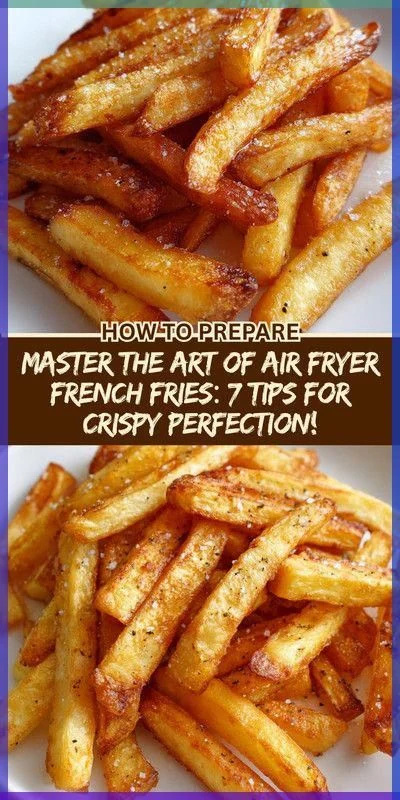
Real french fries from an air fryer are not a compromise, they are a technique. The secret is not a special gadget but a cold-water soak, a thorough dry, and a two-stage cook that mimics the double-fry method of a professional kitchen without a vat of oil.
These fries come out with a shattering crust and a creamy interior using one tablespoon of oil for two pounds of potatoes. That is roughly 90 percent less fat than deep-fried restaurant fries, and you never have to deal with splatter or a pot of spent oil.
Follow the seven tips woven through this recipe, especially the soak, the dry, and the preheat, and you will get fries that hold their crunch for a full ten minutes on the plate.
Why You'll Love This Recipe
About the Ingredients
2 lb (900g) russet potatoes, about 3 medium
Russets are high in starch and low in moisture, which is exactly what makes a fluffy interior. Yukon Golds work but turn slightly creamier and less crisp; avoid waxy red potatoes, which stay dense and soggy.
1 tbsp (15ml) neutral oil such as canola, peanut, or avocado
A neutral high-smoke-point oil coats evenly without flavoring the fries. Olive oil works but its smoke point is lower and it can taste bitter at 400F; avocado oil is the best premium swap.
1 tsp fine sea salt, plus more for finishing
Fine salt dissolves into the surface; flaky salt added at the end gives a salty crunch. If you only have kosher salt, use 1 1/2 tsp since the crystals are larger and less dense.
1/2 tsp garlic powder
Garlic powder sticks to the oil coating and blooms in the heat. Onion powder or a smoked paprika and cumin blend are easy swaps if you want a different flavor profile.
1/4 tsp freshly ground black pepper
Fresh-cracked pepper is more aromatic than pre-ground. White pepper is a sharper, more classic fry seasoning if you have it.
2 tbsp chopped fresh parsley, for finishing (optional)
Parsley adds a fresh green note against the salt and fat. Finely chopped chives or a pinch of fresh thyme are good substitutes; skip it entirely if you want classic diner fries.
2 tbsp grated Parmesan, for finishing (optional)
Parmesan turns these into steakhouse-style fries and adds a savory umami hit. Pecorino Romano is a sharper swap; nutritional yeast works for a dairy-free version.
Tips & Tricks
Mistake 1, skipping the soak
Raw cut potatoes release surface starch that glues fries together and blocks browning. Soak in cold water for at least 30 minutes, or up to overnight in the fridge, until the water runs mostly clear.
Mistake 2, crowding the basket
Overlapping fries steam instead of crisping. Cook in two batches if your basket is smaller than 6 quarts, and never fill it past the halfway mark.
Mistake 3, wet potatoes going in
Any water on the surface turns to steam and stalls browning. Pat bone-dry with a clean towel, then let them air-dry five minutes before oiling.
Shake, do not stir
Shaking the basket every 8 minutes redistributes the fries gently; a spatula or tongs tears the fragile crust that is forming.
Pro Tips
Step-by-Step Instructions
1. Cut the potatoes
Scrub the potatoes and cut them into 1/4-inch (6mm) thick batons about 3 inches long, leaving the skin on for extra crunch. Uniform thickness matters more than perfect shape, so trim any odd wedges to match.
2. Soak in cold water
Submerge the cut fries in a bowl of cold water with a pinch of salt and let them sit for 30 minutes at room temperature, or refrigerate up to 24 hours. The water will turn cloudy as the surface starch leaches out; that starch is what would otherwise make the fries stick and stay pale.
3. Dry them completely
Drain the fries in a colander, rinse once, then spread them on a clean kitchen towel and pat thoroughly dry, blotting the tops with a second towel. Let them air-dry for 5 minutes; they should feel tacky-dry, not damp, before they go anywhere near oil.
4. Season and oil
Toss the dry fries in a large bowl with the 1 tbsp oil, 1 tsp salt, garlic powder, and black pepper until every fry has a thin, even sheen. There should be no oil pooling in the bottom of the bowl.
5. Preheat the air fryer
Set the air fryer to 360F (180C) and run it empty for 5 minutes. A preheated basket begins browning the moment the fries land, which is the difference between crisp and steamed.
6. Par-cook at 360F
Add half the fries to the basket in a single layer and cook at 360F (180C) for 12 minutes, shaking the basket at the 6-minute mark. They will look pale and soft, like blanched fries, which is exactly right; this stage cooks the interior.
7. Crisp at 400F
Raise the temperature to 400F (205C) and cook 8 to 10 minutes more, shaking at 4 minutes, until the fries are deep golden brown with bubbling, blistered edges. Pull one and check: the exterior should crackle under a fingernail and the inside should be fluffy and steaming. Repeat with the second batch.
8. Salt and serve
Tip the hot fries into a bowl, sprinkle immediately with flaky salt and the parsley or Parmesan if using, and toss once. Serve within 10 minutes while the crust is still loud.
Delicious Variations
Loaded Chili Cheese Fries
Top hot fries with 1 cup warm beef chili, 3/4 cup shredded cheddar, and sliced jalapenos; return to the air fryer at 375F (190C) for 3 minutes to melt the cheese.
Garlic Parmesan Truffle Fries
Toss the finished fries with 1 minced garlic clove sauteed in 1 tsp butter, 2 tbsp Parmesan, and a drizzle of truffle oil for a steakhouse side.
Paprika Smoky Fries
Swap the garlic powder for 1 tsp smoked paprika and 1/4 tsp cayenne before cooking, then finish with lime zest and salt for a Spanish-style patatas bravas feel.
How to Store Air Fryer French Fries
Refrigerator
Store cooled fries in an airtight container for up to 3 days; they will lose their crunch but reheat well. Layer paper towels under them to absorb moisture.
Freezer
Freeze the par-cooked 360F fries (before the 400F crisp stage) in a single layer on a sheet pan, then bag for up to 2 months. Cook from frozen at 400F (205C) for 14 to 16 minutes.
Reheating
Reheat at 400F (205C) for 4 to 5 minutes, shaking once, until crisp again. Never microwave them, which turns the crust rubbery and steams the interior.
Frequently Asked Questions
Q: Why are my air fryer fries soggy?
Almost always because of surface starch or surface water, so soak the cut fries in cold water for 30 minutes and dry them completely before oiling. A crowded basket is the second cause, since overlapping fries trap steam; cook in batches if needed.
Q: Do I need to soak potatoes before air frying?
Yes, soaking for at least 30 minutes removes the surface starch that prevents browning and makes fries stick together. If you are short on time, rinse the cut fries under cold water for 3 full minutes as a partial substitute.
Q: What is the best potato for air fryer french fries?
Russet potatoes are the best choice because their high starch and low moisture give a fluffy interior and crisp shell. Yukon Golds are a close second for a creamier texture, while waxy red potatoes stay dense and are better for roasting.
Q: How many calories are in air fryer french fries?
These fries come in around 285 calories per serving, roughly 90 percent less fat than deep-fried restaurant fries. The savings come from using one tablespoon of oil for two pounds of potatoes instead of a vat of frying oil.
Q: Can I make air fryer fries without oil?
You can, but the fries will be drier and less golden, so use at least 1 teaspoon of oil per pound for decent browning. An oil spray applied in a thin coat is the best no-oil compromise.
If you make these fries, snap a photo of that golden basket and tag me, and tell me which of the seven tips made the biggest difference in your kitchen. Then try the loaded chili cheese variation for game day.
Air Fryer French Fries
Air Fryer French Fries deliver golden, crunchy outsides with fluffy centers using just 1 tablespoon of oil, ready in 50 minutes from scratch.
🧂 Ingredients
- 2 lb (900g) russet potatoes, about 3 medium
- 1 tbsp (15ml) neutral oil such as canola, peanut, or avocado
- 1 tsp fine sea salt, plus more for finishing
- 1/2 tsp garlic powder
- 1/4 tsp freshly ground black pepper
- 2 tbsp chopped fresh parsley, for finishing (optional)
- 2 tbsp grated Parmesan, for finishing (optional)
📋 Instructions
- 1Cut the potatoes — Scrub the potatoes and cut them into 1/4-inch (6mm) thick batons about 3 inches long, leaving the skin on for extra crunch. Uniform thickness matters more than perfect shape, so trim any odd wedges to match.
- 2Soak in cold water — Submerge the cut fries in a bowl of cold water with a pinch of salt and let them sit for 30 minutes at room temperature, or refrigerate up to 24 hours. The water will turn cloudy as the surface starch leaches out; that starch is what would otherwise make the fries stick and stay pale.
- 3Dry them completely — Drain the fries in a colander, rinse once, then spread them on a clean kitchen towel and pat thoroughly dry, blotting the tops with a second towel. Let them air-dry for 5 minutes; they should feel tacky-dry, not damp, before they go anywhere near oil.
- 4Season and oil — Toss the dry fries in a large bowl with the 1 tbsp oil, 1 tsp salt, garlic powder, and black pepper until every fry has a thin, even sheen. There should be no oil pooling in the bottom of the bowl.
- 5Preheat the air fryer — Set the air fryer to 360F (180C) and run it empty for 5 minutes. A preheated basket begins browning the moment the fries land, which is the difference between crisp and steamed.
- 6Par-cook at 360F — Add half the fries to the basket in a single layer and cook at 360F (180C) for 12 minutes, shaking the basket at the 6-minute mark. They will look pale and soft, like blanched fries, which is exactly right; this stage cooks the interior.
- 7Crisp at 400F — Raise the temperature to 400F (205C) and cook 8 to 10 minutes more, shaking at 4 minutes, until the fries are deep golden brown with bubbling, blistered edges. Pull one and check: the exterior should crackle under a fingernail and the inside should be fluffy and steaming. Repeat with the second batch.
- 8Salt and serve — Tip the hot fries into a bowl, sprinkle immediately with flaky salt and the parsley or Parmesan if using, and toss once. Serve within 10 minutes while the crust is still loud.