Cozy Cravings Recipes
15-Minute Panda Express Chow Mein – Better Than Takeout

Panda Express chow mein has a cult following for a reason: those glossy, springy noodles tangled with crunchy cabbage and celery, all coated in a sweet-savory sauce that tastes like the food court but better. The good news is you can make it at home in about the same time it takes to drive to the mall and stand in line.
The secret is a hot pan and the right order of operations. Cabbage and celery go in first to stay crisp, pre-cooked yakisoba or lo mein noodles get tossed in last so they soak up sauce without turning to mush, and a splash of dark soy gives that signature caramel color. No wok required, though a large skillet works beautifully.
This recipe scales easily and is forgiving with whatever protein or veg you have on hand. Once you nail the sauce ratio, you will never order chow mein for delivery again.
Why You'll Love This Recipe
About the Ingredients
12 oz (340g) fresh yakisoba or lo mein noodles
Find these in the refrigerated Asian section; if unavailable, use 8 oz dried spaghetti cooked 1 minute shy of al dente and rinsed cold.
3 cups (about 250g) green cabbage, thinly sliced
Napa cabbage is a great substitute and wilts faster; Savoy works too. Look for tight, heavy heads with no brown edges.
2 medium celery stalks, sliced on a bias (about 1 cup)
Bias-slicing gives more surface area for sauce. If celery is limp, soak in ice water for 10 minutes to crisp it back up.
1 small yellow onion, thinly sliced (about 1 cup)
Red onion adds color but a sharper bite; white onion is the closest match to the original.
3 tbsp soy sauce
Low-sodium soy sauce lets you control salt; for gluten-free, use tamari 1:1.
1 tbsp oyster sauce
Vegetarian oyster sauce (mushroom-based) swaps in seamlessly; hoisin is a sweeter backup.
1 tsp dark soy sauce
This is what gives the noodles their deep color; regular soy can substitute but the hue will be lighter.
1 tsp toasted sesame oil
Buy small bottles and store in the fridge; toasted sesame oil goes rancid quickly at room temperature.
2 tbsp neutral oil (canola or vegetable), divided
Avocado oil has a higher smoke point and works well for the high heat here.
2 cloves garlic, minced
Fresh garlic only here; jarred garlic tastes flat when flash-fried.
1 tsp granulated sugar
Balances the salt; honey or brown sugar can substitute in the same amount.
2 green onions, sliced, plus sesame seeds for garnish
Slice whites for cooking and greens for garnish; skip if you do not have them, the dish still works.
Tips & Tricks
Do not overcook the noodles
Rinse cooked noodles in cold water and drain well before stir-frying so they stay springy instead of turning to paste.
Get the pan screaming hot
A preheated pan at 450F (230C) sears the vegetables instead of steaming them, which is the difference between crisp and soggy chow mein.
Sauce goes in last
Add the sauce only after the noodles are in the pan so the sugar in it does not burn on the bare surface.
Pro Tips
Step-by-Step Instructions
1. Mix the sauce
Whisk soy sauce, oyster sauce, dark soy, sesame oil, and sugar in a small bowl until the sugar dissolves. Set aside near the stove.
2. Heat the pan
Set a large skillet or wok over high heat for 2 minutes until a drop of water sizzles and evaporates instantly, roughly 450F (230C). Add 1 tbsp neutral oil and swirl to coat.
3. Sear the aromatics
Add garlic and onion and stir-fry for 45 seconds until fragrant and just translucent, not browned. Push them to the side of the pan.
4. Crisp the vegetables
Add cabbage and celery and stir-fry for 2 to 3 minutes until the cabbage edges are bright green and slightly wilted but still crunchy. You should hear a loud sizzle the whole time.
5. Add the noodles
Add the drained noodles and remaining 1 tbsp oil, then toss with tongs for 1 minute to coat and heat through. Noodles should look glossy, not dry.
6. Sauce and toss
Pour the sauce over the noodles and toss constantly for 60 to 90 seconds until every strand is evenly dark and the pan looks almost dry at the bottom.
7. Finish and serve
Turn off the heat, scatter green onions and sesame seeds, and toss once. Serve immediately while the noodles are still springy.
Delicious Variations
Chicken Chow Mein
Add 8 oz sliced chicken breast seared first for 3 minutes, then remove and stir back in at the end.
Spicy Chili Version
Add 1 tsp chili crisp or sriracha to the sauce for a kick that cuts through the sweetness.
Mushroom and Bok Choy
Swap cabbage for sliced shiitakes and baby bok choy for an earthier, restaurant-style bowl.
How to Store 15-Minute Panda Express Chow Mein
Refrigerator
Store in an airtight container for up to 3 days; noodles absorb sauce over time, so reheat with a splash of water.
Freezer
Freeze in portions for up to 2 months; thaw overnight in the fridge before reheating to avoid mushy noodles.
Reheating
Reheat in a hot skillet over medium-high heat for 2 to 3 minutes with 1 tbsp water, tossing until steaming.
Frequently Asked Questions
Q: What noodles does Panda Express use for chow mein?
Panda Express uses fresh, precooked chow mein noodles similar to yakisoba or lo mein. Look for vacuum-sealed fresh noodles in the refrigerated Asian aisle; dried spaghetti cooked al dente is the closest pantry substitute.
Q: Is Panda Express chow mein vegetarian?
The noodles and vegetables themselves are vegetarian, but the classic version uses oyster sauce, which contains shellfish. Swap in vegetarian mushroom oyster sauce to make it fully meatless.
Q: Why is my chow mein soggy?
Soggy chow mein almost always comes from wet noodles or a crowded pan. Drain and dry the noodles well and cook in a large skillet over high heat so moisture evaporates instead of steaming.
Q: Can I make this chow mein ahead of time?
Yes, you can prep the sauce and chop the vegetables up to a day ahead and refrigerate them separately. Stir-fry fresh right before serving, since chow mein is best within 20 minutes of cooking.
Q: How many calories are in Panda Express chow mein?
A restaurant serving of Panda Express chow mein runs about 510 calories, while this lighter homemade version lands around 285 calories per serving. Portion size and oil amount are the biggest factors.
Grab your skillet, crank the heat, and toss this together tonight. Once you taste how crisp and glossy homemade chow mein can be, that delivery app is going to collect dust.
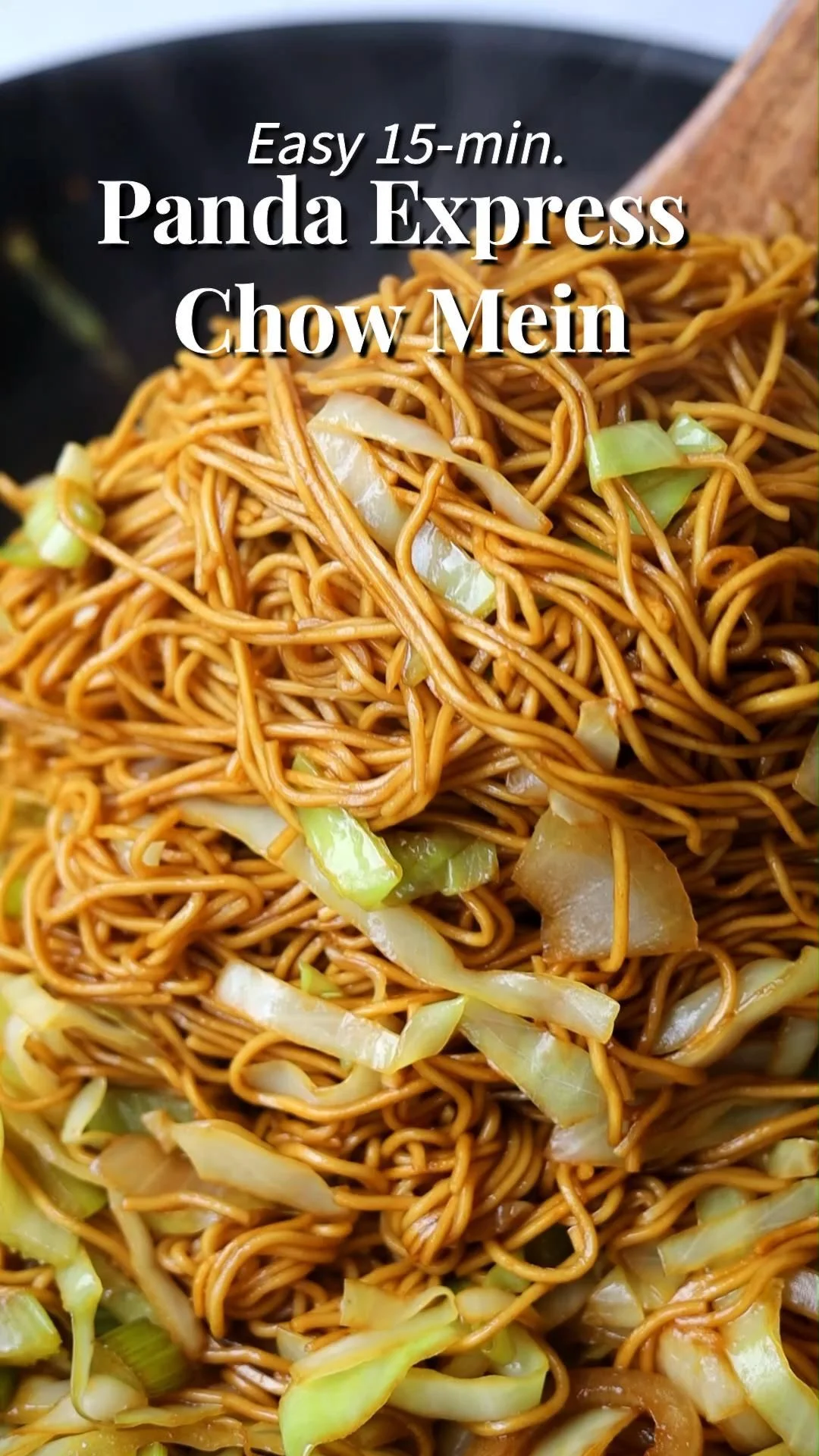
15-Minute Panda Express Chow Mein
This 15-Minute Panda Express Chow Mein delivers springy noodles, crisp cabbage, and celery in a savory soy-oyster sauce faster than delivery.
🧂 Ingredients
- 12 oz (340g) fresh yakisoba or lo mein noodles
- 3 cups (about 250g) green cabbage, thinly sliced
- 2 medium celery stalks, sliced on a bias (about 1 cup)
- 1 small yellow onion, thinly sliced (about 1 cup)
- 3 tbsp soy sauce
- 1 tbsp oyster sauce
- 1 tsp dark soy sauce
- 1 tsp toasted sesame oil
- 2 tbsp neutral oil (canola or vegetable), divided
- 2 cloves garlic, minced
- 1 tsp granulated sugar
- 2 green onions, sliced, plus sesame seeds for garnish
📋 Instructions
- 1Mix the sauce — Whisk soy sauce, oyster sauce, dark soy, sesame oil, and sugar in a small bowl until the sugar dissolves. Set aside near the stove.
- 2Heat the pan — Set a large skillet or wok over high heat for 2 minutes until a drop of water sizzles and evaporates instantly, roughly 450F (230C). Add 1 tbsp neutral oil and swirl to coat.
- 3Sear the aromatics — Add garlic and onion and stir-fry for 45 seconds until fragrant and just translucent, not browned. Push them to the side of the pan.
- 4Crisp the vegetables — Add cabbage and celery and stir-fry for 2 to 3 minutes until the cabbage edges are bright green and slightly wilted but still crunchy. You should hear a loud sizzle the whole time.
- 5Add the noodles — Add the drained noodles and remaining 1 tbsp oil, then toss with tongs for 1 minute to coat and heat through. Noodles should look glossy, not dry.
- 6Sauce and toss — Pour the sauce over the noodles and toss constantly for 60 to 90 seconds until every strand is evenly dark and the pan looks almost dry at the bottom.
- 7Finish and serve — Turn off the heat, scatter green onions and sesame seeds, and toss once. Serve immediately while the noodles are still springy.