Cozy Cravings Recipes
10 Minute Miso Soup – Easy Restaurant-Style Comfort

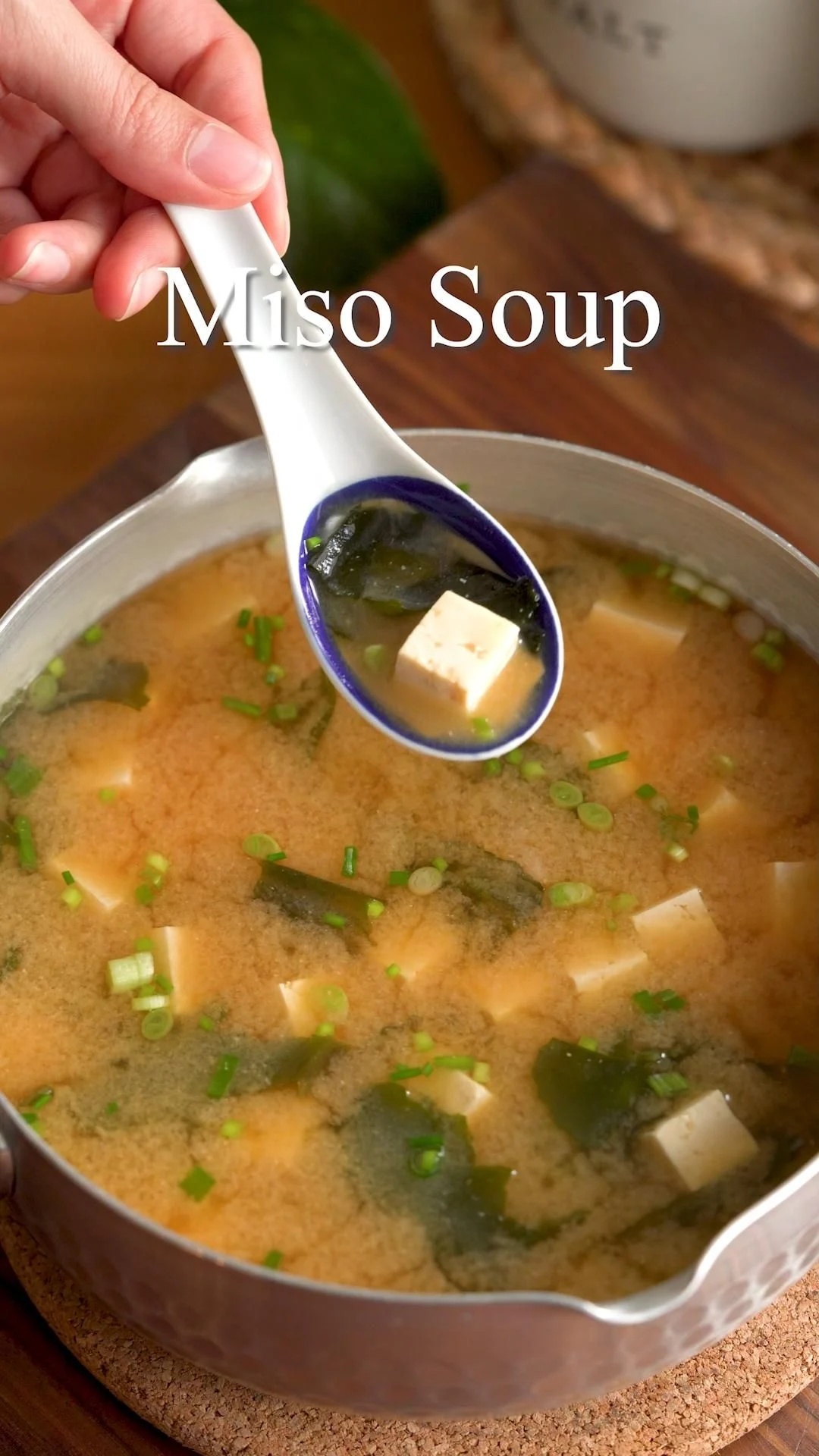
Miso soup is the warm, savory hug that starts nearly every Japanese meal, and this version proves you do not need hours of dashi-making to get there. Instant dashi granules and a whisk of white or yellow miso give you a broth that tastes like it simmered all afternoon, and the whole pot comes together while your rice cooker is still warming up.
The secret is restraint: keep the broth gentle, never let it boil hard after the miso goes in, and add the tofu just long enough to heat through. That preserves the living flavor of the fermented soybean paste and keeps the tofu custardy instead of spongy.
Serve it alongside sushi, grilled fish, or a simple bowl of rice for a light lunch, or ladle it into small cups as a starter. It is also the fastest way to use up a half-block of tofu and a few wilting scallions in your fridge.
Why You'll Love This Recipe
About the Ingredients
4 cups (960ml) cold water
Filtered water gives the cleanest broth; if your tap water tastes strongly of chlorine, use bottled spring water instead.
2 teaspoons instant dashi granules (hondashi)
Look for a bonito-based dashi powder in the Asian aisle; for a vegan pot, choose a kombu or shiitake dashi powder instead.
3 to 4 tablespoons white or yellow miso paste
White (shiro) miso is mild and sweet, while yellow is a touch saltier; buy a tub of organic refrigerated miso rather than shelf-stable packets for better flavor.
7 ounces (200g) soft or silken tofu, cut into 1/2-inch cubes
Medium-firm tofu holds its shape better if you plan to stir; press firm tofu for 10 minutes if that is what you have on hand.
3 scallions, thinly sliced, whites and greens separated
Use the white parts in the broth for sweetness and save the greens for garnish; a small shallot can stand in for the whites in a pinch.
1 sheet dried nori or 2 tablespoons wakame, cut into thin strips
Wakame rehydrates in seconds and adds a briny note; toasted nori strips work if you cannot find wakame.
1 teaspoon toasted sesame oil (optional)
A few drops add richness; omit it for a cleaner, more traditional broth or use chili oil for a spicy finish.
1/4 teaspoon kosher salt, or to taste
Taste before salting since miso and dashi are already salty; low-sodium soy sauce can replace the salt if you prefer.
Tips & Tricks
Never boil the miso
Add miso only after the pot is off the heat or at a bare simmer, because boiling kills its aroma and turns the broth flat and grainy.
Whisk miso in a ladle, not the pot
Dissolve the paste in a small ladleful of hot broth first, then stir it back in so you avoid lumps and uneven seasoning.
Taste at the end, not the start
Different miso brands vary wildly in saltiness, so start with 3 tablespoons and add the last spoon only after tasting.
Pro Tips
Step-by-Step Instructions
1. Heat the water
Pour 4 cups cold water into a medium saucepan and bring it to a gentle simmer over medium-high heat, about 4 minutes, until small bubbles break the surface at 190F (88C). Do not let it reach a rolling boil.
2. Bloom the dashi
Stir in the instant dashi granules and simmer for 1 minute at 190F (88C) until fully dissolved and the broth smells distinctly savory and ocean-fresh.
3. Soften the scallion whites
Add the scallion whites and wakame or nori strips and cook for 1 minute at 190F (88C), just until the seaweed unfurls and turns silky.
4. Add the tofu
Slide in the tofu cubes and heat gently for 2 minutes at 185F to 190F (85C to 88C), until the cubes are warmed through but still tender when pressed with a spoon.
5. Whisk the miso
Pull the pot off the heat, ladle about 1/2 cup of hot broth into a small bowl, and whisk in the miso paste until smooth and lump-free.
6. Finish the pot
Stir the miso slurry back into the pot along with the sesame oil, then taste and add salt only if needed. The broth should look cloudy and smell sweetly fermented.
7. Garnish and serve
Ladle into warmed bowls and top with scallion greens, serving immediately while the soup is steaming at about 180F (82C).
Delicious Variations
Mushroom Miso
Saute 4 sliced shiitake mushrooms in sesame oil for 3 minutes before adding water for a deeper, earthier broth.
Spicy Tofu Miso
Stir in 1 teaspoon gochujang or chili crisp with the miso for a warming kick that pairs well with rice.
Noodle Miso
Add 2 ounces of cooked ramen or soba noodles to each bowl before ladling in the soup for a more filling meal.
How to Store 10 Minute Miso Soup
Refrigerator
Cool the soup quickly, transfer to an airtight container, and refrigerate up to 3 days; keep the tofu submerged in broth so it does not dry out.
Freezer
Freezing is not recommended because the tofu turns spongy and the miso flavor dulls; freeze only the dashi base for up to 1 month instead.
Reheating
Reheat gently on the stovetop over low heat to 170F (77C) without boiling, or microwave in 30-second bursts, stirring between each, until steaming.
Frequently Asked Questions
Q: Can I make miso soup without dashi?
Yes, you can use vegetable broth or a kombu-soaking method instead of instant dashi. Soak a 4-inch piece of kombu in the cold water for 20 minutes, then heat gently and remove it before adding the miso.
Q: Why does my miso soup taste bland?
Bland miso soup usually means too little miso or a broth that was boiled after the paste went in. Start with 3 tablespoons of miso per 4 cups of water, whisk it in off the heat, and taste before serving.
Q: What type of miso is best for soup?
White (shiro) miso is the best all-purpose choice for soup because it is mild, slightly sweet, and less salty. Yellow miso works well for a richer flavor, while red miso is bold and best used in smaller amounts.
Q: Can I add noodles or vegetables to miso soup?
Yes, cooked noodles, spinach, mushrooms, and thinly sliced carrots all work well. Add quick-cooking vegetables in the last 2 minutes and keep the pot below a boil so the miso stays fragrant.
Q: Is miso soup healthy?
Miso soup is low in calories and provides fermented soy, which offers probiotics and umami. It is fairly high in sodium, so if you are watching salt, use less miso and skip the added salt.
Make this 10 minute miso soup tonight and taste how a few pantry staples can turn into something deeply comforting. If you try it, leave a rating and tell me which variation you loved most.
10 Minute Miso Soup
This 10 minute miso soup delivers authentic savory depth with silky tofu and scallions in a fraction of the usual time.
🧂 Ingredients
- 4 cups (960ml) cold water
- 2 teaspoons instant dashi granules (hondashi)
- 3 to 4 tablespoons white or yellow miso paste
- 7 ounces (200g) soft or silken tofu, cut into 1/2-inch cubes
- 3 scallions, thinly sliced, whites and greens separated
- 1 sheet dried nori or 2 tablespoons wakame, cut into thin strips
- 1 teaspoon toasted sesame oil (optional)
- 1/4 teaspoon kosher salt, or to taste
📋 Instructions
- 1Heat the water — Pour 4 cups cold water into a medium saucepan and bring it to a gentle simmer over medium-high heat, about 4 minutes, until small bubbles break the surface at 190F (88C). Do not let it reach a rolling boil.
- 2Bloom the dashi — Stir in the instant dashi granules and simmer for 1 minute at 190F (88C) until fully dissolved and the broth smells distinctly savory and ocean-fresh.
- 3Soften the scallion whites — Add the scallion whites and wakame or nori strips and cook for 1 minute at 190F (88C), just until the seaweed unfurls and turns silky.
- 4Add the tofu — Slide in the tofu cubes and heat gently for 2 minutes at 185F to 190F (85C to 88C), until the cubes are warmed through but still tender when pressed with a spoon.
- 5Whisk the miso — Pull the pot off the heat, ladle about 1/2 cup of hot broth into a small bowl, and whisk in the miso paste until smooth and lump-free.
- 6Finish the pot — Stir the miso slurry back into the pot along with the sesame oil, then taste and add salt only if needed. The broth should look cloudy and smell sweetly fermented.
- 7Garnish and serve — Ladle into warmed bowls and top with scallion greens, serving immediately while the soup is steaming at about 180F (82C).